


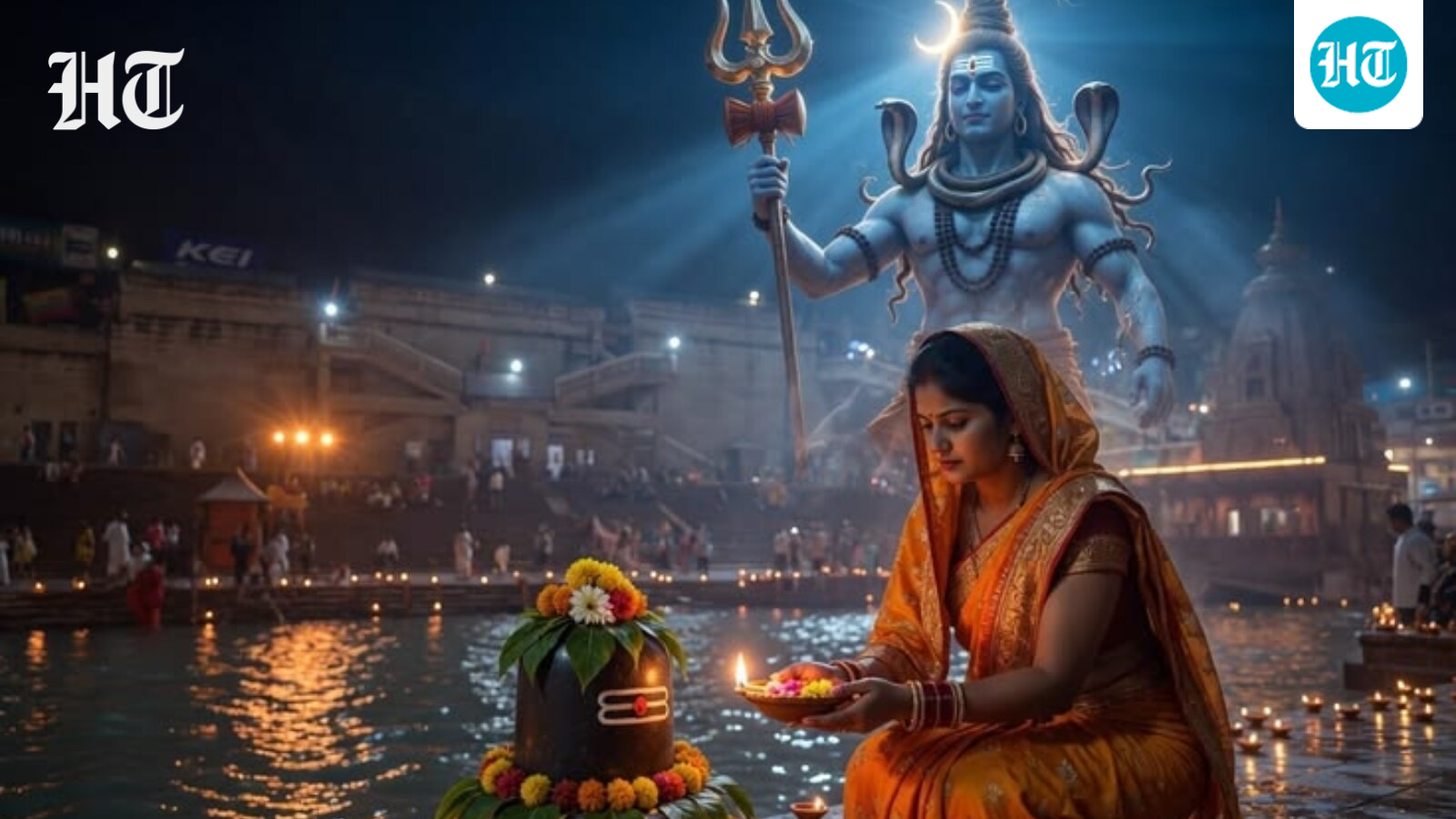
Shravan is widely known as the month dedicated to Lord Shiva, with Mondays holding special religious importance for devotees. However, Tuesdays during this sacred month also carry deep spiritual significance. In many parts of India, these days are observed as Mangla Gauri Vrat, a traditional fast dedicated to Maa Gauri, a revered form of Goddess Parvati. According to astrologer Sidhharrth S Kumaar of NumroVani, this vrat is not only a prayer for a happy married life but also a reminder of the values that help relationships grow stronger over time.
Unlike large temple celebrations, Mangla Gauri Vrat is usually observed at home with simple rituals and heartfelt devotion. It is especially popular among married women who pray for their husbands’ well-being and their families’ happiness. Many unmarried women also observe the vrat while seeking a compatible life partner and a stable future marriage.
ALSO READ: Why do you struggle to let go? An expert explains the spiritual cost of holding on
Maa Gauri is remembered in Hindu tradition for her patience, unwavering faith, and determination. She is honored not simply as the consort of Lord Shiva, but as a symbol of inner strength, discipline, and devotion. Through this vrat, devotees seek to cultivate these same qualities in their own lives, making it a meaningful spiritual practice beyond its rituals.
Mangla Gauri Vrat 2026 dates
In 2026, Mangla Gauri Vrat will be observed on the following Tuesdays during Shravan:
- Tuesday, August 4, 2026
- Tuesday, August 11, 2026
- Tuesday, August 18, 2026
- Tuesday, August 25, 2026
ALSO READ: 7 mistakes Shani Dev never forgives, according to an astrologer
How to observe Mangla Gauri Vrat
The day begins with an early-morning bath, followed by a sankalp, or sacred vow, to observe the fast with sincerity. You worship Maa Gauri by offering kumkum, turmeric, fresh flowers, fruits, sweets, and lighting a ghee lamp. Many devotees also present bangles, sindoor, and traditional shringar items as symbols of respect and devotion.
After the offerings, the Mangla Gauri Vrat Katha is read or listened to, followed by prayers and an aarti. Some people observe a complete fast throughout the day, while others choose to eat satvik food after the evening worship.
5 spiritual benefits of Mangla Gauri Vrat
1. It is associated with marital harmony
The vrat has been observed for generations with prayers for a marriage built on trust, understanding, and mutual respect. It reflects the hope for a lasting and supportive relationship.
2. It is considered auspicious before marriage
Many unmarried women observe the fast while praying for a compatible life partner and a peaceful, fulfilling married life.
3. It strengthens family values
Shravan is not only a time for worship but also a season of reconnecting with family traditions. Mangla Gauri Vrat encourages you to appreciate relationships and spend time honoring shared customs.
4. It encourages self-discipline
Observing a vrat requires restraint in food, thoughts, and daily habits. This discipline becomes an important part of your spiritual journey and helps develop mindfulness.
5. It honors the feminine power of Shakti
Maa Gauri represents gentle strength, resilience, compassion, and devotion. Worshipping her reminds you that true strength often comes through patience and kindness.
More than a religious ritual
Mangla Gauri Vrat continues to hold meaning because it speaks to values that remain important across generations. Relationships still require patience, families continue to seek harmony, and spiritual practices provide moments of reflection in busy lives.
Whether you observe Mangla Gauri Vrat as a religious tradition or as a personal act of faith, its message remains timeless. It reminds you that strong relationships are built through care, commitment, and thoughtful actions practiced every day.
ALSO READ: 6 spiritual teachings that are uncomfortable but true
Disclaimer: This article is based on traditional Hindu beliefs and insights shared by the expert. Religious practices and their perceived benefits are matters of personal faith and cultural tradition and may vary among individuals and communities.
