



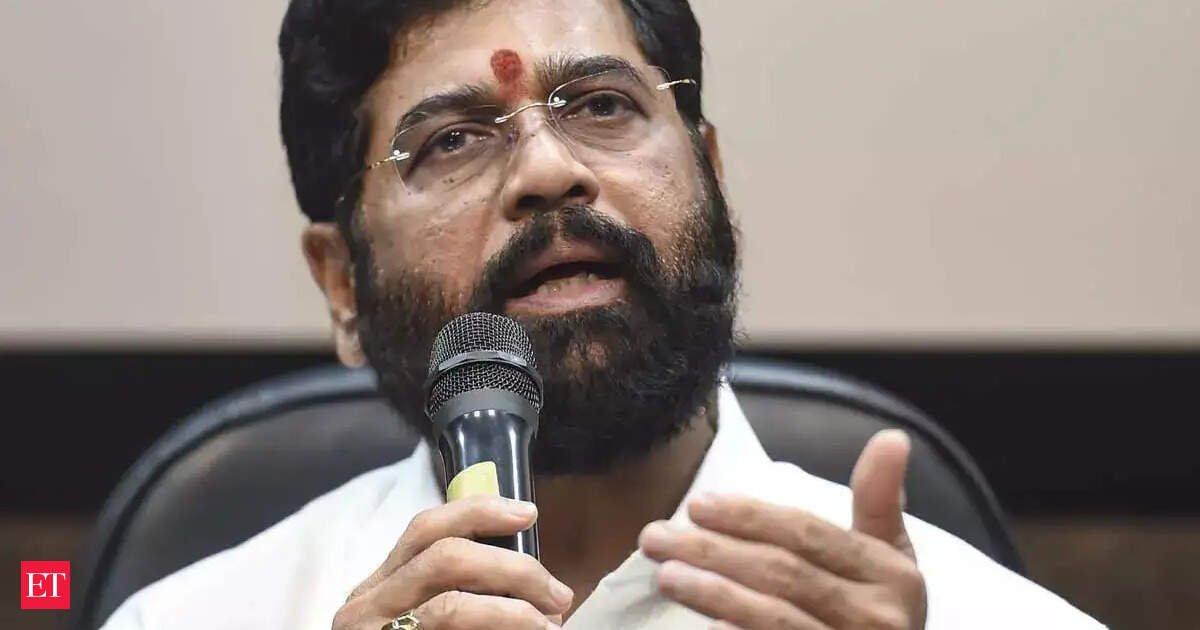
The developments come ahead of the monsoon session, where delimitation is expected to be among the key political issues. Any constitutional amendment linked to delimitation would require a two-thirds majority in Parliament. The Shinde-led Shiv Sena currently has seven Lok Sabha MPs, while Shiv Sena (UBT) has nine. Amid the speculation, Arvind Sawant and Anil Desai are widely seen as firmly with the Uddhav Thackeray-led party, along with two more MPs. When contacted Desai rubbished all such reports and said, “Shiv Sena (UBT) is united and we are firmly standing with Uddhav Thackeray ji.”
The arithmetic is important because under the merger provisions of the Tenth Schedule, at least two-thirds of a legislature party must move together to seek protection from disqualification. In the case of Shiv Sena (UBT)’s nine Lok Sabha MPs, that threshold works out to six members. While discussions over a possible crossover have intensified, sources said the numbers being talked about at present remain short of the six MPs required to cross the anti-defection threshold.
The developments in Maharashtra follow the recent turmoil in the Trinamool Congress, where dissident MPs have challenged the party leadership and claimed the support of a significant section of its Lok Sabha members.
While there is no indication of any immediate realignment, the developments in West Bengal and Maharashtra have brought renewed focus on parliamentary arithmetic ahead of a politically significant session of Parliament.
While still short of the 362-member two-thirds mark in a full House of 543, such gains would substantially narrow the gap and strengthen the ruling alliance’s hand on issues requiring broad parliamentary backing. For now, the message emerging from the recent churn is clear: the battle over numbers may have begun well before any formal delimitation exercise reaches Parliament, with political players across states repositioning themselves for a potentially high-stakes constitutional debate.


