



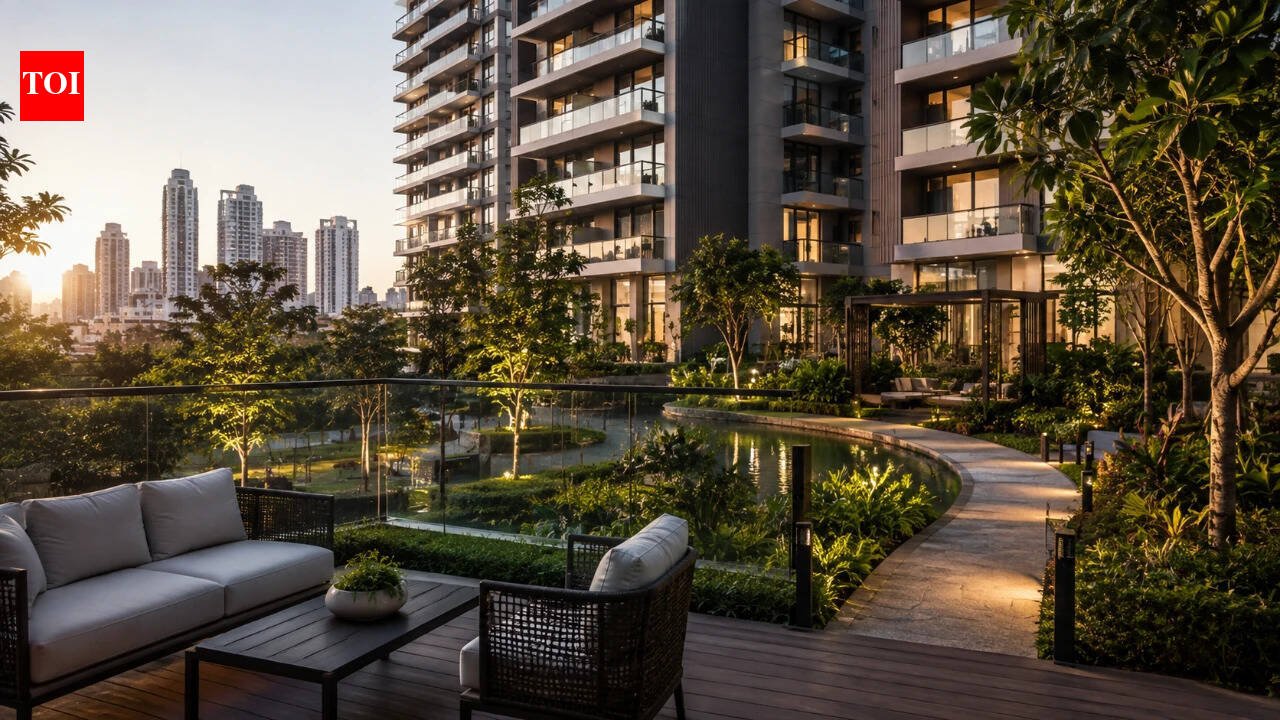
MUMBAI: India’s luxury housing market is witnessing a decisive shift in buyer behaviour, with affluent homebuyers increasingly willing to pay a premium for thoughtfully designed residences that offer wellness, privacy, sustainability and a strong sense of community rather than simply larger homes or extravagant amenities.The changing preference is emerging as one of the biggest trends in the country’s premium residential sector at a time when demand for luxury homes is surging.According to the CBRE-ASSOCHAM report, luxury housing sales in India grew 85% year-on-year during the first half of 2025, with Delhi-NCR accounting for nearly 57% of total luxury home sales, signalling that buyers are increasingly valuing quality of living over sheer size.For prospective buyers, the trend means that the definition of luxury is changing rapidly. Spacious balconies, landscaped open spaces, natural ventilation, wellness zones, walking trails, low-density planning and thoughtfully designed common areas are replacing imported marble, oversized clubhouses and lavish interiors as key differentiators.Homebuyers are also placing greater emphasis on privacy, security and neighbourhood quality as homes increasingly double up as workplaces and family spaces.The report suggests that architecture, sustainability and community planning are now becoming major purchase drivers alongside location and price.Developers say affluent Indians, including NRIs, are seeking homes that deliver long-term liveability and emotional value rather than just status.This has led to growing demand for designer residences, branded developments and curated communities where design, nature and lifestyle are integrated from the planning stage itself.The shift has important implications for investors as well. Property consultants say projects backed by reputed developers with a proven record of execution, transparent governance and quality construction are expected to command stronger buyer confidence, better occupancy and superior long-term value.As premium home purchases involve significant capital commitments, buyers are carrying out greater due diligence on legal approvals, construction quality, maintenance standards and delivery timelines before signing deals.The evolution is also influencing the wider housing market.Features once confined to luxury developments, including energy-efficient buildings, larger green spaces, wellness amenities, smart home technologies and efficient apartment layouts, are gradually finding their way into premium mid-income projects as developers respond to changing consumer aspirations.The broader outlook for the sector remains robust.CBRE projects that residential inventory across India’s seven major cities could reach nearly 7 billion sqft by 2030, driven by rising urbanisation, growing disposable incomes, increasing homeownership aspirations and sustained demand for sustainable developments.The report also identifies luxury housing, branded residences and wellness-led communities as among the fastest-growing segments of the residential market.Industry experts, however, caution that buyers should not mistake premium branding for quality.They advise purchasers to evaluate legal clearances, financial strength of developers, project execution capabilities, maintenance frameworks and resale potential before investing, particularly in the luxury segment where ticket sizes are substantially higher.Delhi-NCR-based luxury developer TARC Ltd. believes the market is moving from “living bigger” to “living better”, with buyers increasingly seeking homes that blend timeless architecture, wellness, sustainability and curated community experiences.While the trend is currently most visible in the luxury segment, experts believe it is likely to influence residential development across price categories over the coming years.For homebuyers, the message is clear: luxury is no longer being measured only in square feet. Increasingly, it is being defined by how well a home supports health, privacy, environmental sustainability and everyday quality of life.For developers, the challenge will be to deliver on these promises through credible execution rather than marketing alone.


