



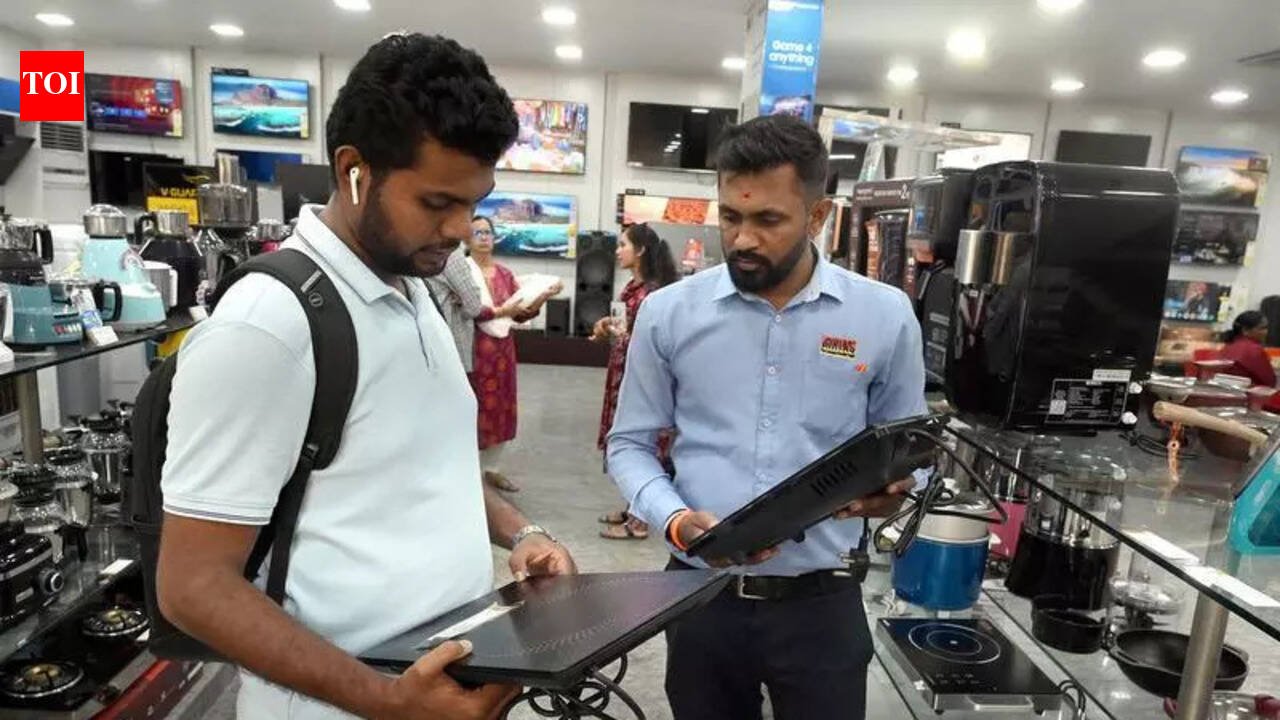
Hyderabad: As LPG shortages begin to pinch households and push up prices, the Centre is accelerating a quiet shift in India’s kitchens — a large-scale move towards electric cooking. In a major push, state-run Energy Efficiency Services Ltd (EESL) is set to roll out over five lakh induction cookstoves in phases to meet surging demand and stabilise supply.Officials said EESL will soon float fresh tenders for procuring the stoves. The company has already awarded a tender for one lakh induction cookstoves and initiated procurement of compatible utensils, acting on feedback from state govts and consumers. Nearly one lakh units are currently being dispatched to various states, public sector undertakings and institutions. “Given the overwhelming market response, EESL is gearing up to float fresh tenders for over half a million units once the current vendor capacity is exhausted,” a senior official of EESL said. The initiative is part of the Union govt’s National Efficient Cooking Programme (NECP), launched under the broader ‘Go Electric’ campaign to reduce dependence on fossil fuels and promote cleaner alternatives, officials said on Friday. The urgency has been triggered by a sharp spike in induction stove prices, driven by rising demand amid LPG shortages linked to supply disruptions in the Strait of Hormuz. Officials said EESL’s intervention is aimed at stabilising prices and ensuring wider availability in both urban and rural markets through its e-commerce platform, EESLmart.in. EESL’s electric cooking push builds on its track record of implementing large-scale energy efficiency programmes such as UJALA (Unnat Jyothi Affordable LEDs for All) and Gram UJALA, which significantly transformed lighting consumption patterns across the country. Under NECP, the company is promoting energy-efficient 1,200W induction cooktops equipped with features such as energy consumption display and child safety locks. It has also submitted a proposal to the Centre to elevate NECP into a flagship national programme, positioning electric cooking as a strategic and cost-effective solution for India’s clean energy transition. Carbon emissions“The induction-based cooking can deliver 20-30% savings compared to LPG, with some estimates placing savings as high as 35%, while also significantly reducing carbon emissions,” EESL said. To ensure steady supply and price stability, EESL has entered into one-year rate contracts with multiple domestic manufacturers, a move officials say will guarantee consistent quality, timely delivery and uninterrupted availability.


