








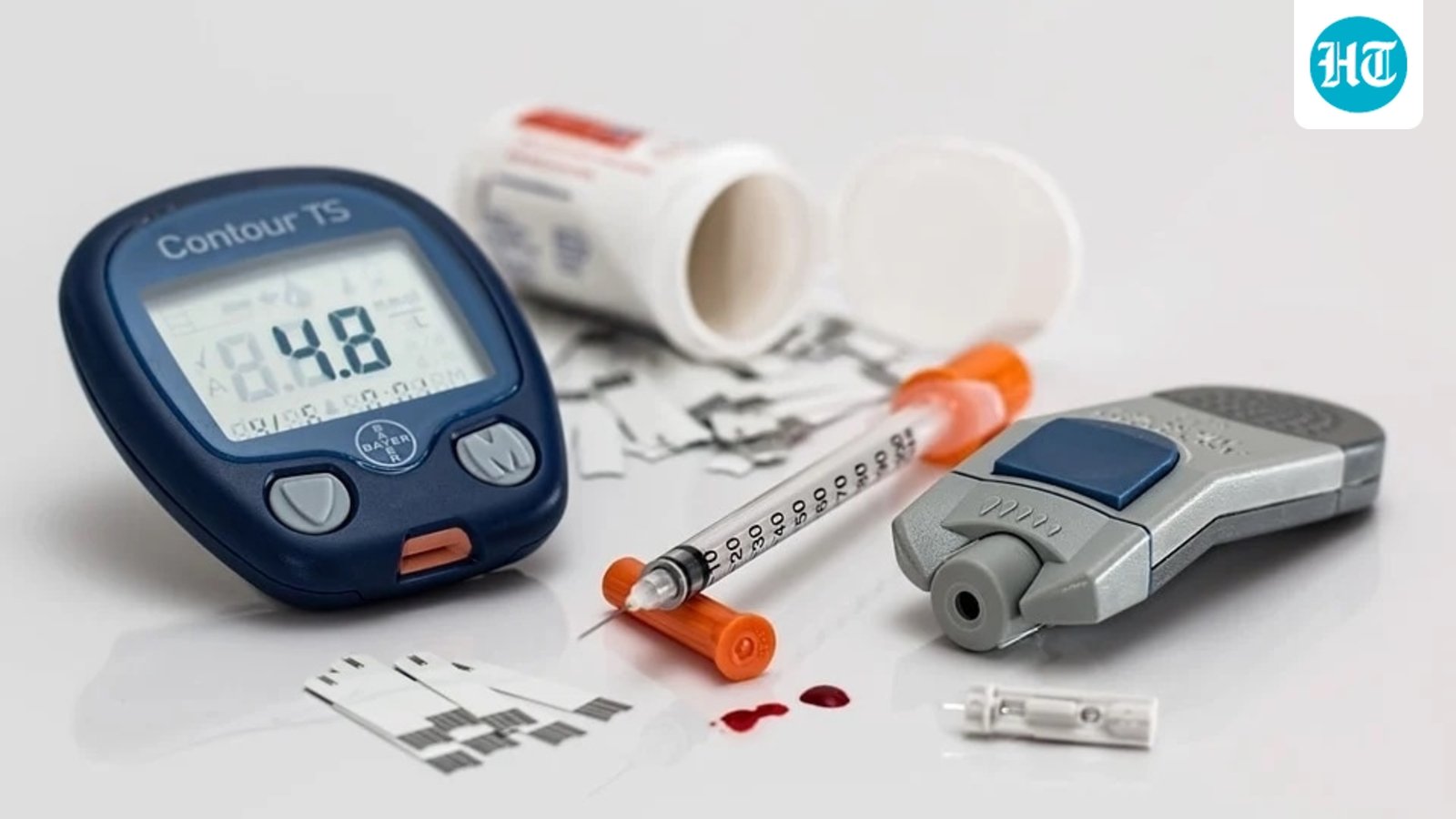
Diabetes management is commonly addressed in the context of high blood sugar levels. However, another aspect of diabetes management deserves emphasis: low blood sugar. Hypoglycemia is an often-neglected risk factor in diabetes management. Although good glucose control plays a pivotal role in preventing complications, very low blood sugar is an urgent medical issue. Some groups of patients may be at an elevated risk, particularly the elderly, those with kidney or liver disease, and patients with irregular eating patterns or those who use specific glucose-lowering medications.



What are symptoms of hypoglycemia?
When hypoglycemia becomes a critical condition, it typically occurs when blood sugar levels drop below 70 mg/dL. Symptoms can vary, but the most common include sweating, shaking, hunger, dizziness, weakness, irritability, blurred vision, confusion, and a rapid heartbeat.
“The danger is that those symptoms may not always be easily recognized as hypoglycemia signs,” Endocrinologist Dr Debmalya Sanyal, Diabetes & Metabolic Medicine, Narayana RN Tagore Hospital, Mukundapur, Kolkata, tells Health Shots.
A person may seem tired, anxious, confused, or ill. In elderly patients, confusion or behavior changes may be attributed to age or other existing medical conditions. If hypoglycemia is not recognized and treated on time, it can lead to serious complications.
How to fix low blood sugar after drinking?
Low blood sugar can have several triggers. Physical activity, alcohol consumption, skipped or delayed meals, vomiting, and changes in medication doses can all contribute. Certain patients may also be more vulnerable because of their age or underlying kidney or liver problems. This is why diabetes treatment cannot be viewed as simply prescribing medication and checking glucose levels.
The patient’s daily routine matters too. Meal patterns, physical activity, medication schedules, and changes in health can all influence glucose levels. A treatment plan that does not account for these factors may increase the risk of low blood sugar episodes. For patients and families, recognizing the early warning signs of hypoglycemia is an important part of safe diabetes management.
What is the rule for managing hypoglycemia?
If a person is conscious and able to swallow safely, the immediate response described in the original guidance is to take approximately 15 grams of glucose, followed by a source of complex carbohydrates such as bread or biscuits, and recheck blood sugar after 15 minutes. If blood sugar remains below 70 mg/dL, repeat the process. However, food or anything by mouth should not be given to someone unconscious, having a seizure, or unable to swallow safely.
How long does it take to recover from hypoglycemia?
In such circumstances, seek emergency medical assistance. Families and caregivers therefore have an important role. Knowing what hypoglycemia looks like and understanding what to do during an episode can help ensure that a potentially serious situation is recognized rather than mistaken for fatigue, anxiety or confusion. Hypoglycemia also highlights the importance of medication safety.
Diabetes care often involves several people:
- The patient, family members or caregivers, doctors, diagnostic services and pharmacists. When information about medication changes, meals, missed doses, or previous episodes is not communicated clearly, the risk of errors increases.
- Medication reviews should therefore be an ongoing part of diabetes management. Patients and caregivers should maintain an up-to-date list of medications and inform their healthcare team of recurrent episodes of low blood sugar.
- Treatment decisions should also consider factors such as meal patterns, physical activity, kidney function, and the patient’s individual circumstances, rather than focusing solely on achieving lower glucose readings. One of the most important messages for people living with diabetes is that good control is about balance.
- Lower blood sugar is not automatically better if achieving it comes at the cost of repeated or severe hypoglycaemic episodes. Effective diabetes care must balance the goal of controlling glucose with the patient’s day-to-day safety and ability to manage treatment. But also, “Is the treatment safe for this individual?”
What are warning signs of hypoglycemia?
For patients and families, this means understanding the warning signs of hypoglycemia, following medication and meal plans carefully, keeping healthcare providers informed about recurring episodes, and seeking medical advice when patterns change. For healthcare professionals, it means looking beyond individual glucose readings and considering the complete picture of the patient’s treatment, lifestyle, and risks.
Ultimately, safe diabetes management is not about chasing the lowest possible number. It is about achieving appropriate glucose control while minimizing avoidable harm. Recognizing hypoglycemia as an important patient-safety issue is therefore essential to providing safer, more individualized diabetes care.
(Disclaimer: This article is for informational purposes only and is not a substitute for professional medical advice. Always seek the advice of your doctor with any questions about a medical condition.)


