






As the festive season begins, many are gearing up to look their best, from picking outfits and matching jewellery to deciding on makeup looks. Glowing up is also one of the festive goals. But before booking a treatment for that ‘festive glow’, it is important to understand what your skin needs and how much recovery time a procedure may require.
Dr Kiran Hebbalkar, consultant dermatologist and aesthetic physician, revealed what defines a festive glow and shared five professional treatments to consider with a dermatologist’s guidance, along with when to schedule them.
What defines a festive glow?
A festive glow may make you think of smooth, picture-perfect skin, but the expert reminded that it is more about skin health than achieving a flawless, filtered look. A festive glow is rooted in well-nourished skin.
“Festive glow appears when the skin barrier is intact, the skin is well hydrated, and it is free from stress, inflammation, and fatigue, allowing light to reflect evenly and giving a soft, fresh, supple appearance,” she added.
The dermatologist also highlighted the importance of a glow ‘built from the inside out.’ She emphasised that drinking enough water, eating a balanced diet rich in fruits, vegetables, nuts, seeds and protein, and limiting excess sugar and fried foods can support skin repair and help keep breakouts in check.
Alongside these dietary habits, the dermatologist recommended seven to eight hours of sleep to allow the skin to renew itself, as well as regular exercise and stress management to support circulation and give the skin a natural, even colour.
What are the treatments people can go for?
There are many professional treatments available, but the dermatologist noted that they should be paired with a proper skincare routine. The expert emphasised that these treatments cannot replace daily skincare.
Dr Hebbalkar also mentioned the time, “Timing is equally critical. Treatments such as lasers and injectables should be scheduled well before the festive week to allow the skin time to recover. In the final few days, it is best to stick to gentle treatments that the skin is already familiar with.”
Here are some of the treatments the dermatologist recommended:
1. Skin hydration injectables:
- Hyaluronic acid-based bioremodelling treatments such as Profhilo improve hydration and elasticity from within, without adding volume.
- Profhilo is usually given as two sessions about four weeks apart, so it should be the first treatment scheduled.
2. Fractional laser resurfacing:
- Hybrid lasers such as Alma Hybrid combine ablative and non-ablative energy to improve texture, tone, pores, and fine lines in one session.
- Involves several days of redness and peeling, so it suits only those who can finish well before the festive calendar begins.
3. Hydrating facials:
- A medical-grade hydrating facial combines cleansing, gentle exfoliation and serum infusion to clear dull surface cells and add immediate hydration.
- With no downtime, a single session about a week before key events works well.
4. Superficial chemical peels:
- Mild peels using mandelic or lactic acid brighten dull skin and are better tolerated by sensitive and deeper skin tones.
- They are best done as a short series that finishes at least a week before Diwali, since light flaking can follow.
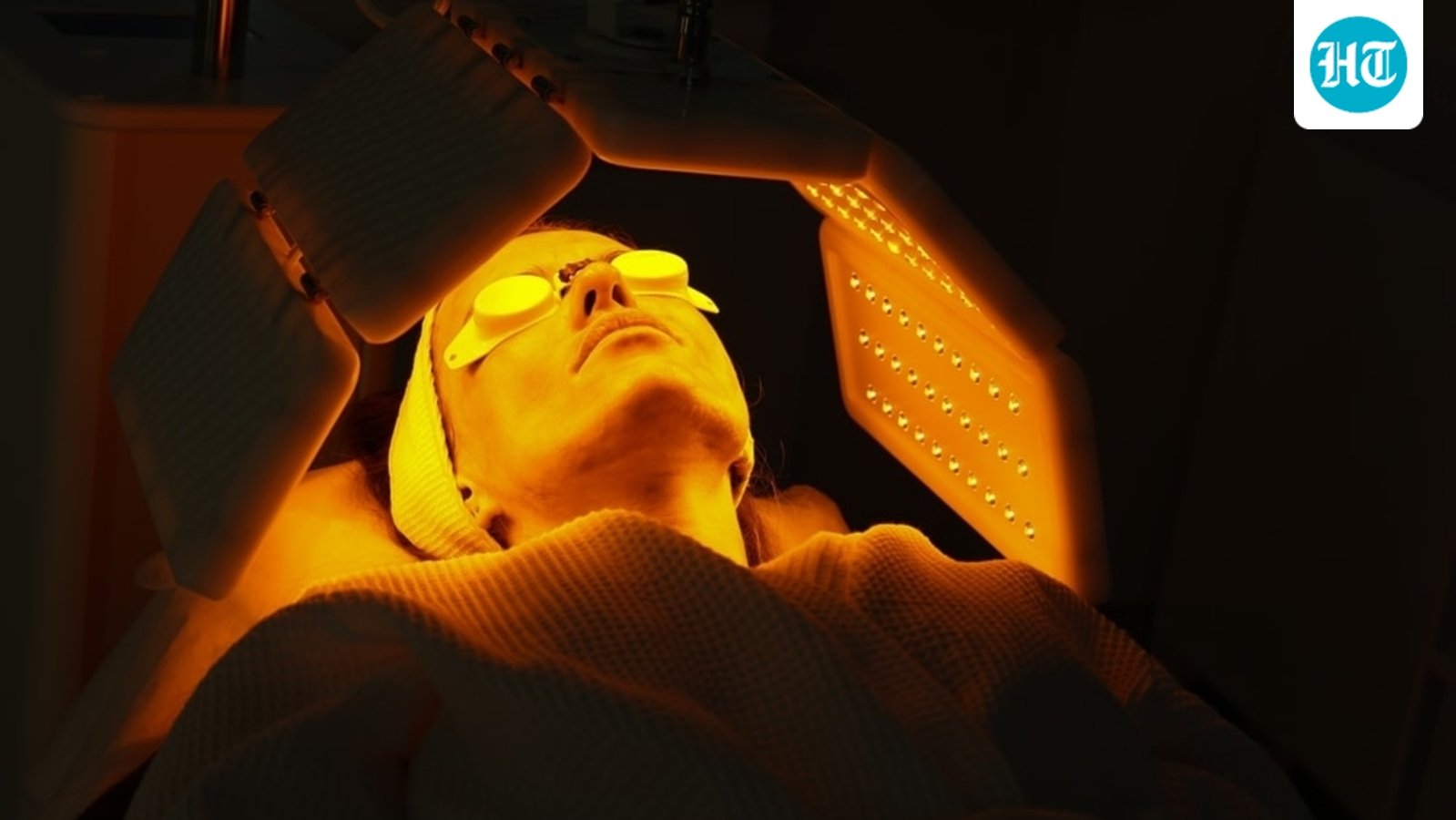
5. LED light therapy:
- Red and near-infrared wavelengths calm redness and support barrier repair after other treatments.
- With no downtime, it works well as a calming adjunct in the last few days.
Again, speaking on the sequence and timing, she added, “The timing of each treatment matters. Injectables and laser procedures should be scheduled first, followed by peels and facials, while the final few days are best reserved for gentle, calming treatments.”
Note to readers: This article is for informational purposes only and not a substitute for professional medical advice. Always seek the advice of your doctor with any questions about a medical condition.


