






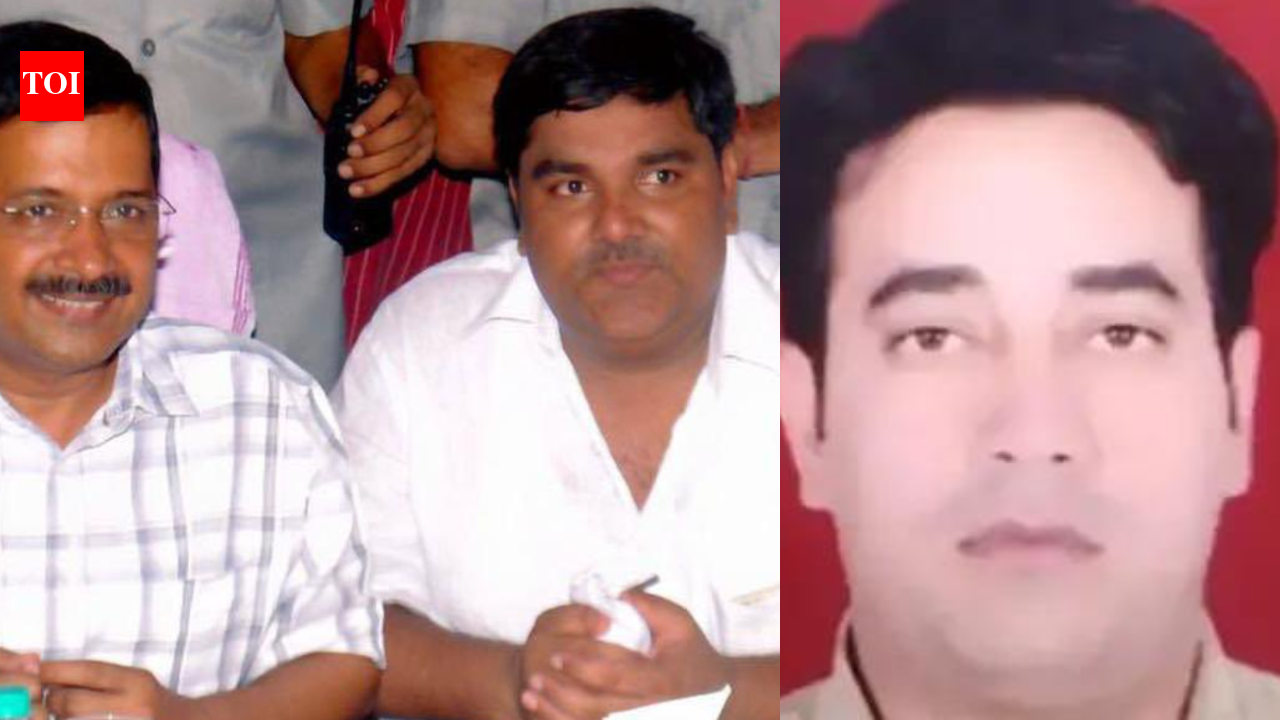
NEW DELHI: A Delhi court on Friday sentenced former AAP councillor Tahir Hussain and four others to life imprisonment for the murder of Intelligence Bureau (IB) officer Ankit Sharma during the 2020 northeast Delhi riots, bringing to a close one of the most high-profile criminal trials arising out of the communal violence.The case, which spanned more than six years, began with Sharma’s disappearance during the riots in February 2020 and culminated in Hussain’s conviction for murder.While the prosecution sought the death penalty, arguing that the case fell within the “rarest of rare” category, the court awarded life imprisonment, holding that capital punishment was not warranted.The prosecution alleged that Sharma was attacked by a violent mob during the riots, killed and his body dumped in a drain near Chand Bagh Pulia.The investigation that followed led to the filing of a chargesheet against Tahir Hussain and several others, culminating in a trial that stretched over six years with hundreds of witnesses, multiple hearings and arguments over whether the crime merited the death penalty.
Timeline: Ankit Sharma murder case
- February 2020: Communal violence erupts in northeast Delhi during protests against the Citizenship (Amendment) Act (CAA), leaving 53 people dead and several injured.
- February 25, 2020: IB officer Ankit Sharma goes missing after stepping out of his home in northeast Delhi during the riots.
- February 26, 2020: Sharma’s body is recovered from the Khajuri Khas drain near Chand Bagh Pulia. His father, Ravinder Kumar, lodges an FIR at Dayalpur police station, accusing former AAP councillor Tahir Hussain and others of murder.
- June 3, 2020: The Delhi Police Crime Branch files a chargesheet before the Karkardooma court against 10 accused, including Tahir Hussain. They are charged with offences including kidnapping, murder and rioting.
- August 21, 2020: A Delhi court takes cognisance of the chargesheet and begins judicial proceedings.
- March 24, 2023: The court frames charges against Tahir Hussain and 10 other accused under various IPC provisions, including murder, rioting, promoting enmity and criminal conspiracy.
- July 13, 2026: The Delhi court convicts Tahir Hussain and four others. Hussain is found guilty of murder and several rioting-related offences but acquitted of criminal conspiracy and abetment charges. Six co-accused are acquitted.
- July 27, 2026: The court hears arguments on sentencing and reserves its order. The prosecution seeks the death penalty for all five convicts, calling the murder a “rarest of rare” case.
- July 31, 2026: The Delhi court sentences Tahir Hussain and four co-convicts to life imprisonment, holding that the case does not qualify for the death penalty.
With the sentencing order, one of the most high-profile murder cases arising from the 2020 Delhi riots has reached a significant judicial milestone.The court’s decision brings to a close the trial proceedings that began with Sharma’s killing during the communal violence, though the convicts retain the right to challenge both the conviction and the sentence before a higher court.The verdict also marks the culmination of a case that remained at the centre of legal and political debate for more than six years.


