






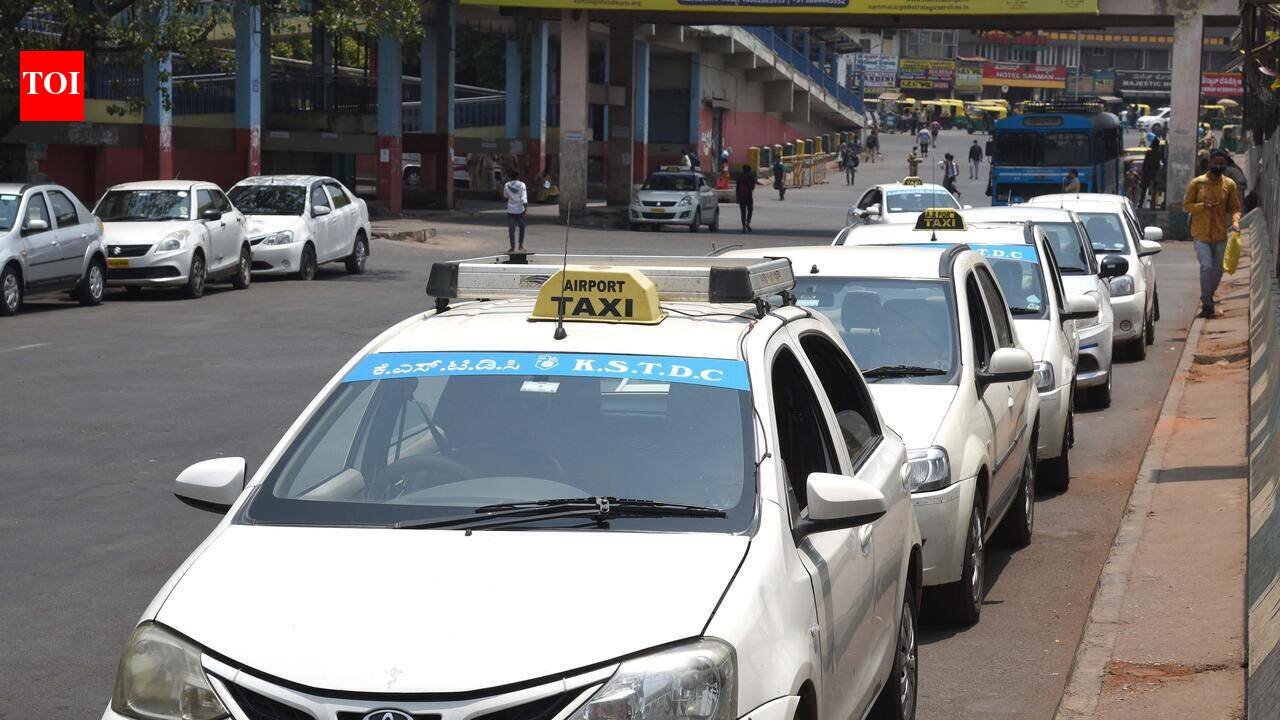
Bengaluru: Karnataka transport department’s latest push to make meters mandatory in taxis has left taxi operators and drivers with more questions than answers.The department directed all taxis, including those operating through major aggregators Uber, Ola, Rapido and Namma Yatri, to install meters and comply with the fare structure notified by the state govt in 2024.The big aggregators are yet to comment on the department’s directive. The basic question is: what kind of meter to be installed, how will it work with aggregator apps, and who will pay for it?Operators are seeking clarity whether passengers will be able to see the distance travelled and the fare accumulating in real time, and whether they will receive a printed or digital receipt detailing the distance and govt-notified fare.They said the department is yet to spell out technical specifications, certification requirements, calibration process or the expected cost of the proposed meters. Taxi drivers say conventional taxi meters available in the market cost between ₹5,000 and ₹7,000, a significant expense for drivers already dealing with rising operating costs.“We have been asking the state govt to implement ‘one city, one fare’ because aggregators have been charging arbitrary fares. But the new directive lacks clarity,” said Ramesh Holla of Bruhat Bengaluru Taxi Drivers’ Union.Not every commercial vehicle carrying passengers can be treated as a conventional city taxi. Vehicles engaged in corporate transport, tourism and contract-based services should be kept out of this exercise, he said.Earlier, drivers were required to install vehicle location tracking systems and panic buttons. There are still questions about how effectively those systems are being used.Drivers want assurance that the new system will address the fare-related problems. The biggest issue is the relationship between the physical meter and the digital booking platforms that increasingly dominate the city’s taxi market.Transport associations have welcomed the department’s attempt, but warned against passing the cost of compliance on to drivers. S Nataraj Sharma, president of the Federation of Karnataka State Private Transport Associations, said the govt should bear the cost or adopt an affordable digital system rather than force drivers to buy expensive equipment.Sharma pointed to earlier proposals, during Ramalinga Reddy’s tenure as transport minister, to introduce app-based digital meters that would operate according to fares fixed by the state govt. “Transport officials should not insist on digital meters that come at a heavy cost to drivers,” he said.


