


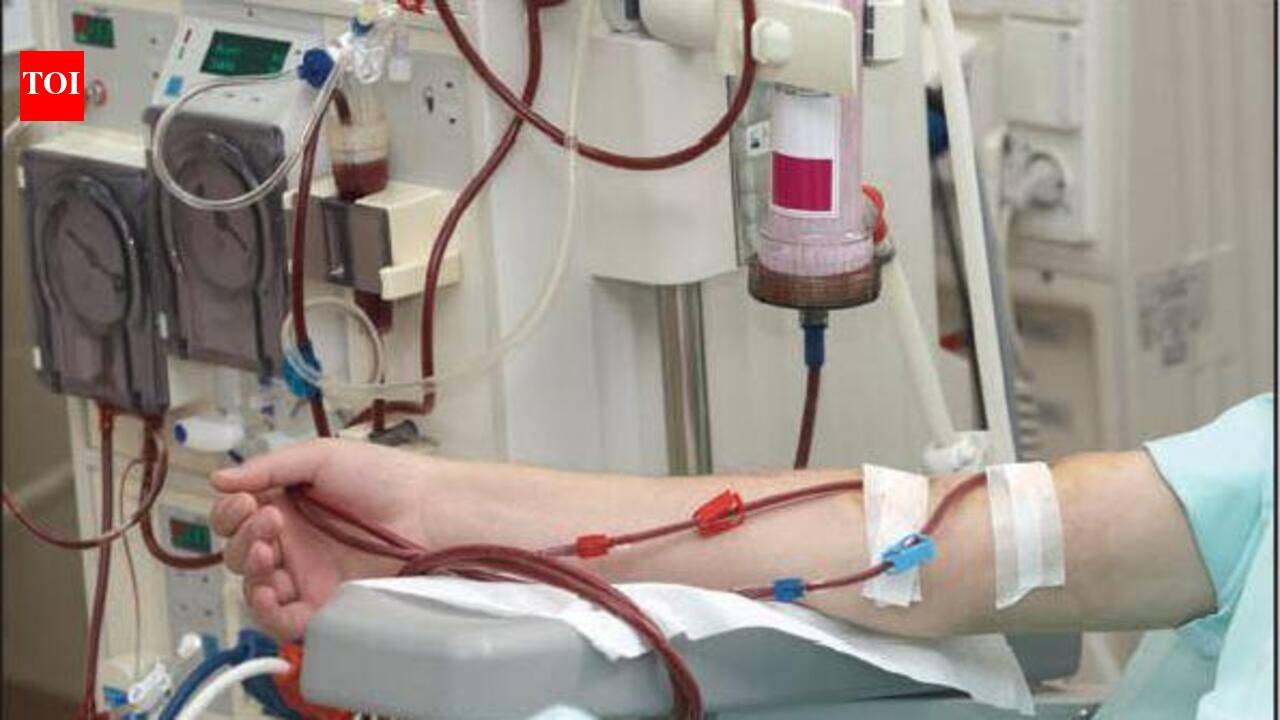
Bengaluru: Karnataka has 214 govt dialysis centres under Centre’s Pradhan Mantri National Dialysis Programme (PMNDP), the second-highest in the country after Gujarat’s 282, according to a reply tabled in Lok Sabha this week. The state also reported functional dialysis centres in all 31 districts.PMNDP was launched by the Union health ministry in 2016 under national health mission to provide free haemodialysis services to eligible patients, particularly those with chronic kidney disease, at district hospitals. The Centre provides financial support to states to establish dialysis centres based on proposals submitted through their annual health plans, while states are responsible for operating and maintaining the facilities.
CJP Jantar Mantar Protest Updates
Nationwide, the programme is being implemented across 751 districts through 1,856 haemodialysis centres equipped with 13,535 machines.According to Karnataka health department officials, the state currently has 215 dialysis centres and 1,200 dialysis machines. However, despite the expansion of dialysis infrastructure, access to emergency dialysis remains a major challenge for patients in Bengaluru. Families say when patients require an unscheduled dialysis session, often due to complications such as fluid overload or dangerously high potassium levels, finding a govt hospital for immediate procedure is difficult. Many hospitals reportedly require patients to be admitted overnight before dialysis can be administered, delaying treatment and adding to burden on families.“Due to increased potassium levels, my father needed emergency dialysis in the middle of the night, and we contacted several hospitals in Bengaluru. Most private hospitals said they could not provide the procedure because he was not registered with them. We then went to govt-run Victoria Hospital, where we were told he would have to be admitted overnight before dialysis could be done,” said Kruthika R, a resident of HSR Layout.Health department officials said dialysis centres established under PMNDP are meant to provide maintenance (routine) dialysis for patients with chronic kidney disease, rather than emergency procedures. “As of now, we only provide routine dialysis under the programme. When it comes to emergency dialysis, it depends on protocols followed by hospital,” a senior official said.
