






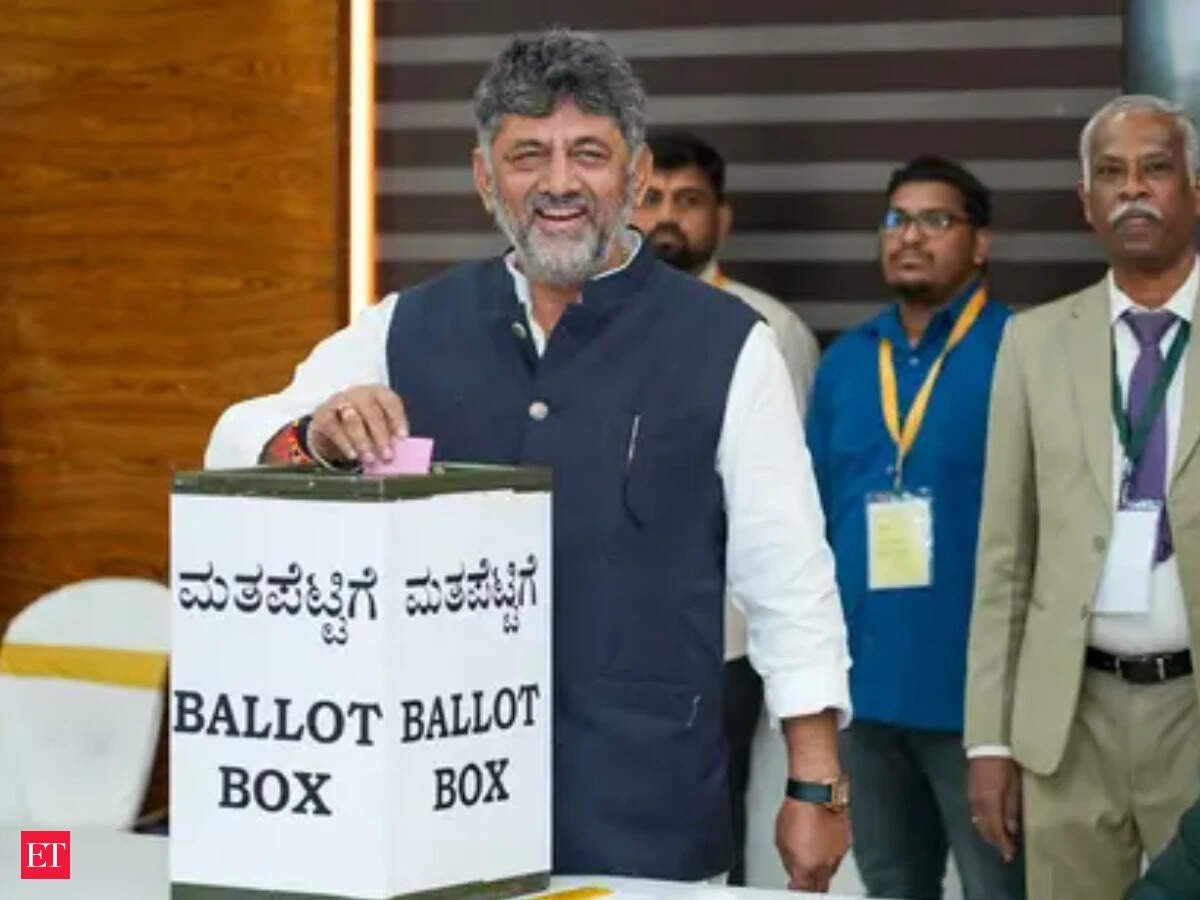
The elections are being held to two Graduates’ Constituencies and two Teachers’ Constituencies, which together span large parts of the state. Of the four seats, three were previously held by the BJP and one by the Congress. With the BJP and JD(S) contesting as part of the NDA in Karnataka, the BJP is fielding candidates in three constituencies, while its ally is contesting one.
Chief Minister DK Shivakumar has directed ministers to campaign across districts covered by the constituencies, conveying the importance the Congress has attached to the polls.
Three sitting MLCs, including two from the BJP and one from the Congress, are seeking re-election. The BJP has fielded a new candidate in one constituency after its sitting member chose not to contest.
Unlike assembly and parliament elections, only registered teachers and graduates are eligible to vote in these polls. Political parties view the results as a barometer of sentiment among educated sections of society.
Senior BJP MLA S Suresh Kumar described the elections as a “litmus test” for the Shivakumar government, citing the geographical spread and diversity of the constituencies.
He alleged that graduates and teachers were dissatisfied with the government’s performance, claiming that several promises remained unfulfilled. Among them, he cited the promise of a monthly stipend of Rs 3,000 for unemployed graduates, delays in filling vacant government posts, concerns raised by guest lecturers and allegations of irregularities in recruitment processes at the Karnataka Public Service Commission (KPSC).
The Congress, however, is seeking to improve its representation in the Council and views the polls as an opportunity to expand its footprint in constituencies that have traditionally witnessed strong contests between the state’s major political parties.


