


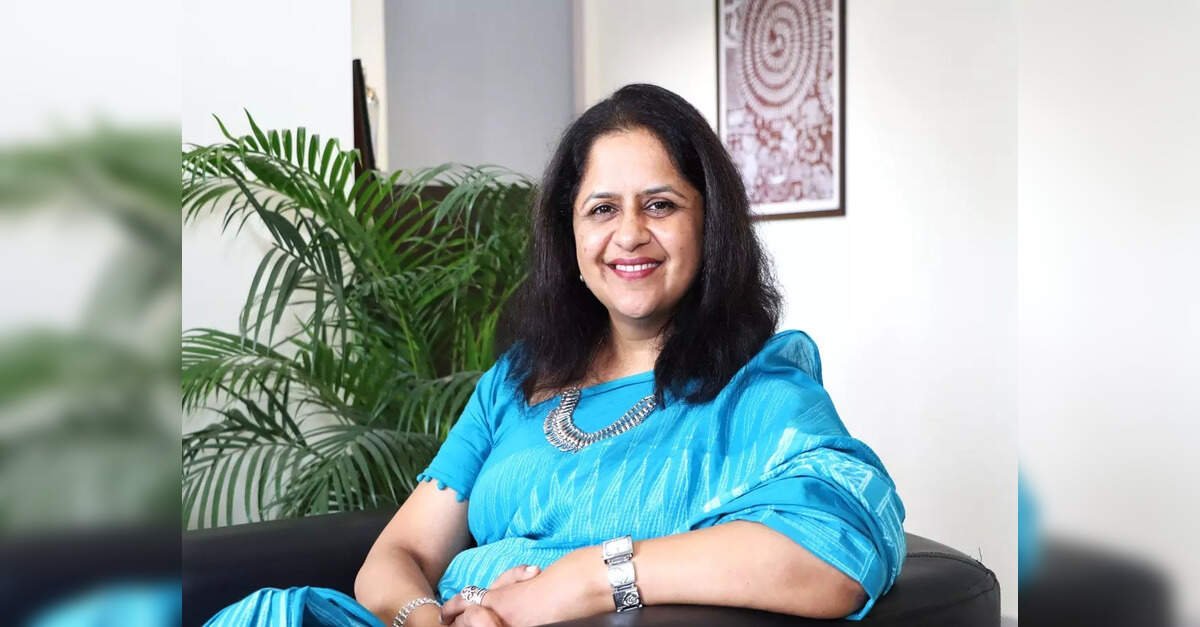
As Indian schools move from policy intent to classroom transformation under the National Education Policy (NEP) 2020, the real test lies in how reforms translate into daily teaching, assessment, and student well-being practices. In this interview, Jyothi Malhotra, Principal of The Somaiya School, discusses how her institution is embedding competency-based learning, teacher re-skilling, and mental health support into its academic culture. She also reflects on the evolving role of AI in classrooms, balancing academic rigour with holistic development, managing rising parental expectations, and the growing emphasis on transparency in private schooling. The conversation offers a grounded view of how schools are operationalising NEP reforms while keeping student well-being and critical thinking at the core.Q. How is your school translating NEP 2020 reforms into real classroom practice, not just policy language?
Jyothi Malhotra: At our school, reform begins with ownership. Teachers are not passive implementers of policy; they are active contributors to how it unfolds in classrooms. When educators participate in shaping pedagogical shifts; whether experiential learning, interdisciplinary projects, or skill-based instruction the transition becomes authentic. NEP 2020 principles such as critical thinking and conceptual clarity are therefore embedded in lesson design, classroom dialogue, and assessment patterns, not confined to documentation. Reform sustains only when it is internalised, not instructed.
Q. With exams becoming more competency-based, how are teachers being re-skilled?
Jyothi Malhotra: Re-skilling is treated as a continuous professional journey. Department meetings are not administrative formalities but academic think tanks where faculty examine how to shift from content coverage to concept mastery. Teachers collectively redesign assessments to test application and analytical ability rather than recall. External CBSE trainings and webinars provide direction, but it is the internal academic dialogue which is reflective, collaborative and ongoing that ensures classroom practices truly evolve.
Q. Student stress is rising- what has actually worked on the ground to address mental health beyond counselling?
Jyothi Malhotra: Accessibility has made the biggest difference. Counselling support is visible and approachable, but equally important is the culture of openness we have cultivated. Students feel comfortable speaking to teachers, coordinators and leadership without hesitation. We have also invested in structured workshops for both students and parents, recognising that stress does not exist in isolation. When home and school work in alignment, emotional resilience becomes stronger. Support, in our experience, is most effective when it is layered and relational.
Q. How do you balance academic performance with holistic development in senior classes?
Jyothi Malhotra: The balance is deliberate. Dedicated time in the timetable for sports and co-curricular engagement ensures that development beyond academics is not incidental but institutionalised. Annual Day, Sports Day, inter-school competitions, debates and cultural events provide platforms for expression and leadership. Academic rigour remains non-negotiable, but it is complemented by opportunities that build confidence, collaboration and self-awareness. We do not see academics and holistic growth as competing goals instead they strengthen one another.
Q. What role do AI and technology realistically play in schools, and where do you draw the line?
Jyothi Malhotra: Technology is a support system, not a substitute for thinking. Students may use AI tools to clarify understanding, and we acknowledge that digital resources are part of contemporary learning. However, within school, we maintain structured boundaries around gadget use to preserve focus, discussion and independent reasoning. Critical thinking, problem-solving and intellectual effort must remain student-driven. AI can assist learning, but it cannot replace the cognitive discipline that education must cultivate.
Q. Have parental expectations become unrealistic, and how do schools manage that pressure?
Jyothi Malhotra: Expectations have certainly grown, but they stem from aspiration rather than excess. In a school equipped with strong faculty and infrastructure, parents naturally expect high standards. The key lies in transparent communication. When goals, processes and progress are clearly shared, expectations transform into collaboration. The relationship then shifts from pressure to partnership, with student well-being at the centre.
Q. What explains the rising cost of private schooling, and how can schools improve transparency?
Jyothi Malhotra: The cost reflects investments in quality teaching, infrastructure, student support systems and co-curricular opportunities. Transparency is essential in sustaining trust. With parent representation in governance structures and open communication regarding institutional priorities, we ensure clarity around resource allocation. When parents understand the educational intent behind expenditure, they become informed stakeholders rather than distant observers.
Q. What should parents prioritise while choosing a school in the next 2–3 years?
Jyothi Malhotra: Parents should prioritise teaching quality and school culture over optics. Look for educators who are approachable and capable of nurturing conceptual understanding. Examine whether students appear confident, articulate and inquisitive. A strong school is one where children ask questions with ease, engage actively, and display curiosity beyond examination requirements. That culture of thinking will matter far more in the coming years than any singular metric of performance.


