



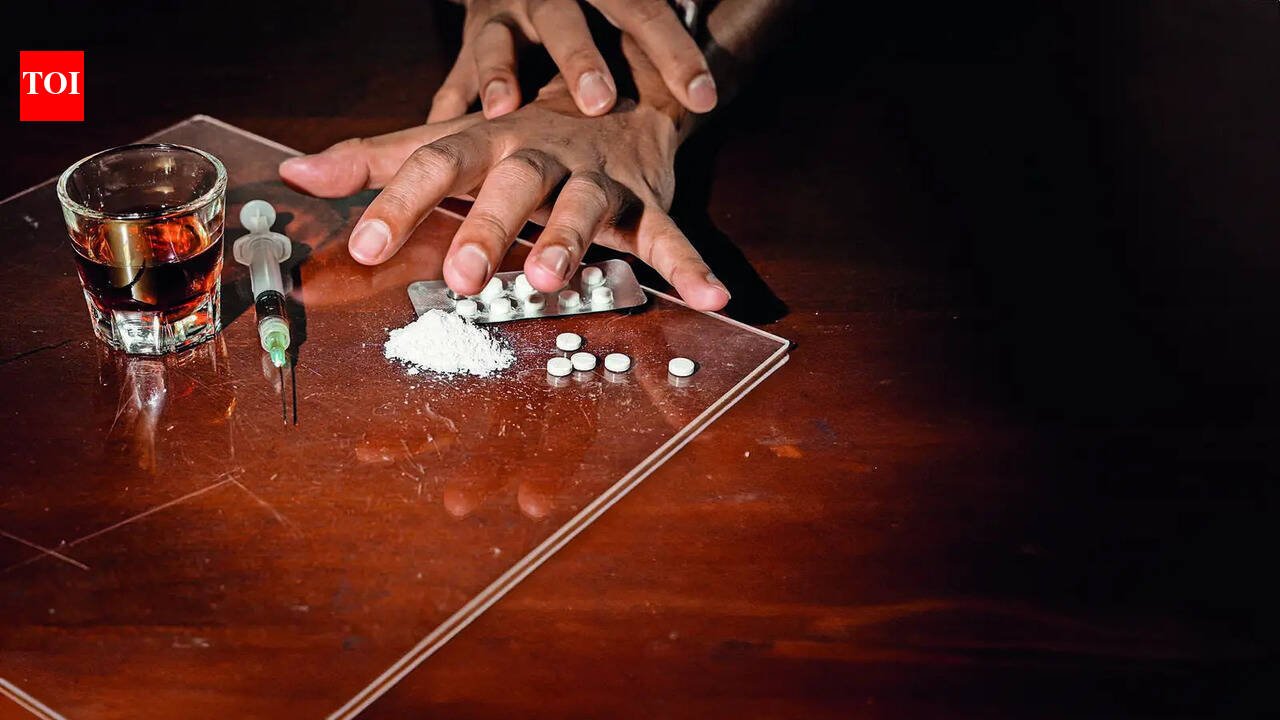
Hyderabad: The number of juveniles apprehended under the Narcotic Drugs and Psychotropic Substances (NDPS) Act in Telangana nearly doubled in a year. It rose from 37 in 2023 to 69 in 2024, with the state now accounting for 13% of all such cases nationally, the NCRB 2024 report reveals. Nationally, 530 juveniles were apprehended under the Act in 2024, with the 16–18 age group accounting for the bulk of cases.No such case was reported in Hyderabad city, according to the data.Police officials say most of these juveniles are consumers rather than traffickers. “They are mainly consuming. The consumption cycle starts through their peers. While minors may sometimes be used for local trafficking, adults handle inter-state trafficking,” EAGLE SP Giridhar told TOI.He added that inter-state trafficking by minors was uncommon. “It is not possible for them because they have to travel long distances. Money is also needed. It is not so easy for them to get that much money.”However, documented cases suggest the picture is not always this straightforward. In Oct last year, a 17-year-old school dropout from Alluri Sitarama Raju district in Andhra Pradesh was apprehended near Ghatkesar railway station while allegedly transporting 5.1 kg of hashish oil worth ₹1.15 crore. Former Rachakonda police commissioner G Sudheer Babu had then said the juvenile had been sent by a key supplier from Odisha, “assuming that a minor would not arouse suspicion during transport.”NCRB data does not distinguish between juveniles apprehended as users, carriers, or peddlers, making it difficult to determine the exact nature of their involvement.Officials attribute the rise in cases to social vulnerabilities rather than organised recruitment. “Many of these minors come from places where there are limited recreational facilities or guidance. Once they return from school and their parents come home only at 8 or 9 pm, they remain exposed to several vulnerabilities during those hours,” an official formerly associated with EAGLE said.All juvenile cases are referred to the Juvenile Justice Board for rehabilitation rather than criminal prosecution.


