Srinagar, Mar 02: Jammu and Kashmir has recorded zero progress under the solar power generation component of the Centre’s flagship Pradhan Mantri Kisan Urja Suraksha evam Utthaan Mahabhiyan (PM-KUSUM) scheme, even as thousands of solar pumps have been sanctioned for farmers, official data accessed by Rising Kashmir reveals.
According to details, Jammu and Kashmir has neither been sanctioned nor installed any capacity under Component-A of the scheme, which is meant for setting up decentralised grid-connected renewable power plants up to 2 MW each.
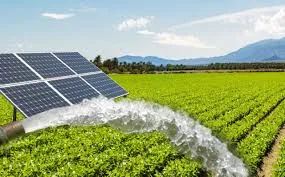
Under Component-B, which provides standalone solar pumps to farmers, 5,000 pumps have been sanctioned in J&K, of which 4,045 have been installed so far. However, under Component-C, aimed at solarisation of existing grid-connected agricultural pumps, the Union Territory has recorded no sanctions and no installations.
The absence of any sanctioned solar capacity under Component-A is significant for J&K, a region that continues to grapple with seasonal power deficits, especially during winter months when hydroelectric output dips sharply.
Nationally, the scheme has an allocation of 10,000 MW under Component-A. Yet, as per the data, only 765.33 MW has been installed across the country so far. In J&K’s case, the sanctioned and installed capacity both stand at 0.00 MW.
Under Component-B, J&K’s installation of 4,045 pumps out of 5,000 sanctioned reflects a completion rate of around 80 per cent. While this suggests some movement, the pace remains modest when compared to larger states such as Maharashtra and Rajasthan, which have installed lakhs of pumps.
More notably, J&K has not operationalised Component-C at all, a component considered crucial for reducing dependence on conventional grid supply and lowering agricultural power subsidies.
Across India, over 55,000 pumps have been sanctioned under the Individual Pump Solarisation (IPS) category and more than 35 lakh under Feeder Level Solarisation (FLS), with over 13 lakh pumps solarised so far. In contrast, J&K’s figures under this component remain at zero.
In an official document, the government said that PM-KUSUM is a demand-driven scheme and allocations are based on demand raised by states and milestones achieved. Allocations are withdrawn from “non-performing states” and reallocated to better-performing ones, it added.
The government maintained that overall national solar capacity under the scheme remains unaffected due to such performance-based reallocations. However, the policy of reallocation raises questions for J&K. If allocations are milestone-linked and subject to withdrawal for slow progress, the absence of sanctions under key components could indicate either a lack of demand projection by the UT administration or failure to meet implementation benchmarks.
Launched in 2019, PM-KUSUM aims to enhance farmers’ income by enabling them to generate solar power and reduce diesel consumption in agriculture. The scheme has three components, namely Component-A: Setting up of 10,000 MW decentralised renewable energy power plants, Component-B: Installation of standalone solar agricultural pumps and Component-C: Solarisation of existing grid-connected pumps.
For a Union Territory like Jammu and Kashmir, where agriculture remains a key livelihood source and remote terrains increase power supply costs, the scheme holds particular relevance. Yet, the data suggests that J&K’s engagement with the scheme has remained limited to standalone pump distribution, with no movement towards decentralised solar power generation or feeder-level solarisation.
With the UT’s power purchase costs rising and winter shortages becoming routine, the absence of any sanctioned solar generation capacity under PM-KUSUM may intensify scrutiny over renewable energy planning in the region.
For a region that routinely debates power reforms, smart metering and subsidy rationalisation, the silence in solar generation under a flagship national scheme is likely to trigger fresh questions in policy circles.