



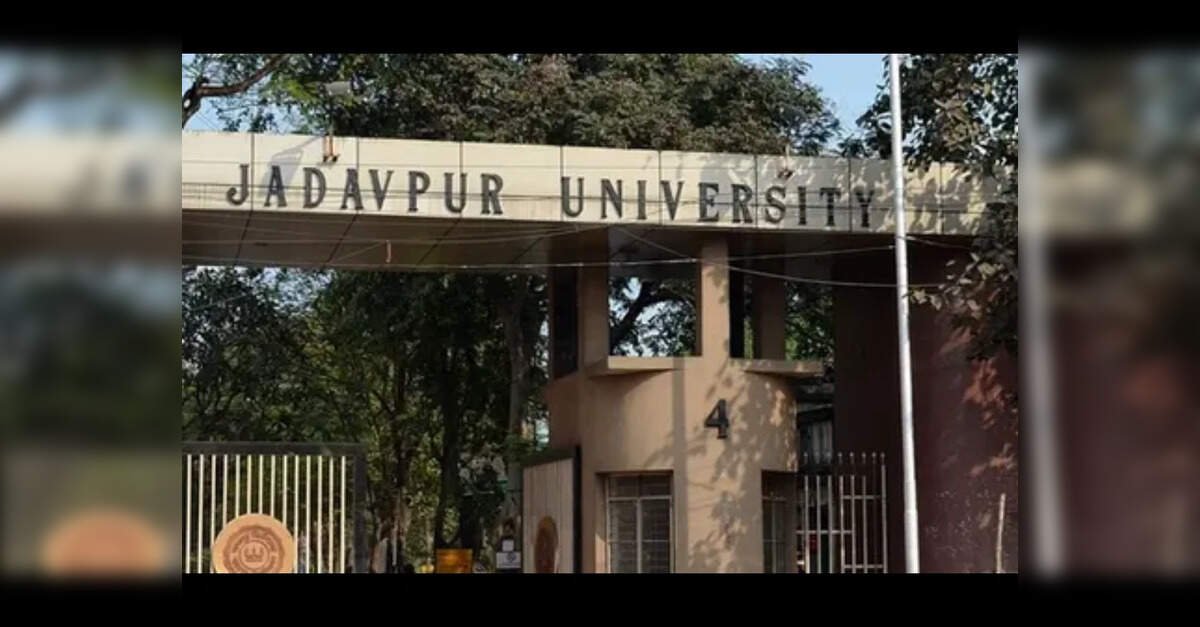
Kolkata: Jadavpur University (JU) and Calcutta University (CU) have recorded an unprecedented number of vacant BTech seats after the centralised counselling by the West Bengal Joint Entrance Examinations (WBJEE) board. At JU, 378 of the 1,190 engineering seats remain vacant, a sharp increase from the 150 to 180 seats that remained unfilled in the last four-five years. Similarly, CU has 168 vacant seats out of 478, compared to the 20-30 vacancies in previous years.Engineering professors at both institutes primarily attribute this to the board’s revised counselling rules, which allowed fresh registrations at every subsequent centralised counselling round. They also pointed out that uncertainty over decentralised counselling and the beginning of academic sessions are prompting students to leave for other institutions.
Explaining the systemic flaw, a JU professor said, “Over 185 candidates registered and booked a seat in the first round but neither appeared for physical verification nor paid seat acceptance fee. All were carried forward through all three rounds. Under previous norms, these registrations would have been cancelled and seats allotted to other rank holders.”
A student admitted to JU’s mechanical engineering said, “If trends of previous years are taken into account, I could have got a seat in electrical engineering in the second or third round. But this year there has been virtually no movement in the list, maybe due to the new rule.” The student has secured a seat at a central institute. “I am eager to study at JU but the uncertainty surrounding decentralised counseling and when classes will start is prompting me to rethink. Most of the NITs will start their classes by Aug-end,” he added.
Major JU engineering depts are severely hit, with at least 20 vacancies in computer science and around 50 in electrical engineering. “The board should be more careful about future of students who are aspiring to join universities like JU. We are losing promising students to other institutes like the NITs. That is the reason JU wanted to conduct its own counselling process,” said electrical engineering associate professor Arindam Sil.
A senior CU official from the technology campus said despite the admission process starting early, number of seats is very high. “The revised procedure left students confused. Students taking admission in the first round and wanting to upgrade their course choices in subsequent rounds cannot do so directly. Instead, they must cancel their current admission and apply afresh, which has created significant issues. We informed the board but no solution was provided.”
Administrators at private engineering colleges highlighted a similar crisis. A college coordinator pointed out, “Candidates securing admission as a safety even if that course might not be their first or second choice, cannot switch to a course with better prospects later. So, candidates with lower ranks could secure better seats than candidates with higher ranks.”
WBJEEB officials did not respond to calls or messages by TOI.


