



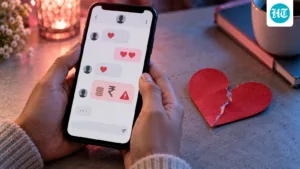






The dating world is full of buzzwords, from green flags and benching to love bombing, with new terms popping up every other season. While knowing the latest lingo may help you make sense of your complicated love life, you need to recognise the warning signs of a connection that could lead you to financial harm.
ALSO READ: Can you heal from a breakup without forgiving your ex? 4 things to know about finding closure
Dating apps let you connect with many different people, but with a profile alone you cannot guarantee that someone is who they claim to be. This can make it hard to tell a genuine romantic connection from a carefully crafted scam. Let’s hear from a cybersecurity expert about the warning signs to watch for and how you can protect yourself.
Aaron Bugal, field CISO, APJ at Sophos explained in an interview with HT Lifestyle how digital romance scams work and shared the warning signs people should watch for when connecting with someone online. He answered our questions about how scammers build trust, who they target, and the risks that go beyond financial loss.
What is a digital romance scam?
Romance is not always as rosy as it seems, especially online. The cybersecurity expert described a digital romance scam as a ‘confidence trick dressed up as a relationship.’
What are they after? Certainly not a long-term relationship or cute dates. Bugal said, “The criminal’s goal is not romance; it is access, control and, ultimately, money.”
What happens in a digital romance scam?
The cybersecurity expert outlined how scammers meticulously do their homework, studying public posts, mirroring the victim’s interests, and building emotional dependence over weeks or months. Even their initial approach is carefully planned.
The expert simplified, “They come on strong, message constantly, avoid video calls or in-person meetings, and always have a believable excuse: an overseas job, poor connectivity, family trouble, or travel complications.”
Now, these scammers do not immediately ask for money. The request comes only after they have gained the victim’s trust. Bugal revealed that scammers use stolen photos, fake identities, and carefully crafted backstories to make themselves seem almost too well matched to the person they are targeting. By this point, the victim believed that they were actually helping someone they care about or love.
Where does digital romance happen?
As mentioned earlier, these scams are not limited to dating apps. They can begin with a simple direct message on social media. Bugal described dating platforms as useful ‘hunting grounds’ because people there are already open to making connections. But he cautioned that any online space where a stranger can build trust quickly can pose a risk. Such scams can happen anywhere, from X, Instagram, Facebook, even on LinkedIn.
What online behaviour do romance scammers show and exploit?
To help you stay alert, we asked how scammers behave online. The expert highlighted two key factors: the personal information people share online and how quickly scammers try to move the interaction forward.
“Public posts about travel, hobbies, family, work or life changes give criminals the raw material to create a convincing persona. They then push to shift the chat to WhatsApp, Telegram or another private channel, where there is less moderation, fewer reporting tools and less chance of the platform stepping in,” Bugal said.
Who can be the victims of digital romance scams?
There is no single type of victim. The expert cautioned that anyone can be targeted, regardless of intelligence. These scams rely on timing, emotion, and manipulation. Certain circumstances or major life changes can make people more vulnerable.
“Criminals often focus on people going through change such as divorce, bereavement, loneliness or a major life transition, but they also target professionals and financially literate users through fake crypto and investment scams,” Bugal said.
What are the warning signs?
Certain warning signs can help you spot a fake identity or an attempt at financial fraud. The expert stressed that one red flag may not prove it is a scam, but a pattern should prompt you to pause, verify the person’s claim, and speak to someone you trust. Here are the signs to watch for:
1. Too perfect image
- The image looks too perfect.
- A reverse image search shows the photo belongs to someone else or appears across multiple profiles.
2. Identity too inconsistent
- The identity is thin or inconsistent.
- Their profile is light on history, their details change, or their story feels polished but impossible to verify.
3. Never wants to meet
- They never quite manage to meet.
- There is always a last-minute problem: travel, work, illness, visa issues or bad internet.
- The excuse changes, but they usually do not want to meet.
4. Money becomes test of love
- The request may be for flights, medical bills, legal fees, or an emergency.
- Once you pay, the crisis usually escalates, with new emergencies one after another.
5. Payment methods are hard to reverse
- Wire transfers, gift cards, and crypto are the usual modes of payment.
- They are chosen because they are fast, hard to trace, and difficult to recover.
6. Gifts cost money
- A gift suddenly costs money.
- A courier fee, customs charge, or release payment for jewellery or valuables is often just another way to extract cash.
7. Gaslights you
- Try to cut you off from reality checks.
- If they ask you to hide the relationship, dismiss family concerns, or frame questions as a lack of trust, that is manipulation — not romance.
What other cybersecurity risks can victims face beyond financial losses?
Financial loss is not the only risk. Scammers may also exploit your trust to obtain sensitive information. The expert listed identity details, financial information, passwords, answers to security questions and private photos, along with access to devices or accounts. In fake investment scams, victims may be persuaded to install what appears to be a legitimate trading or cryptocurrency app. However, the platform is controlled by criminals and designed to harvest data or drain funds.
The risks can go even further, with scammers manipulating victims into unknowingly helping move stolen money or using private images to blackmail them. Bugal warned, “Victims can also be pulled into other crimes without realising it. A scammer may ask them to receive and forward money, turning them into an unwitting money mule. If private images or videos have been shared, the scam can shift into sextortion, with threats to send material to family, friends or employers unless more money is paid.”


