






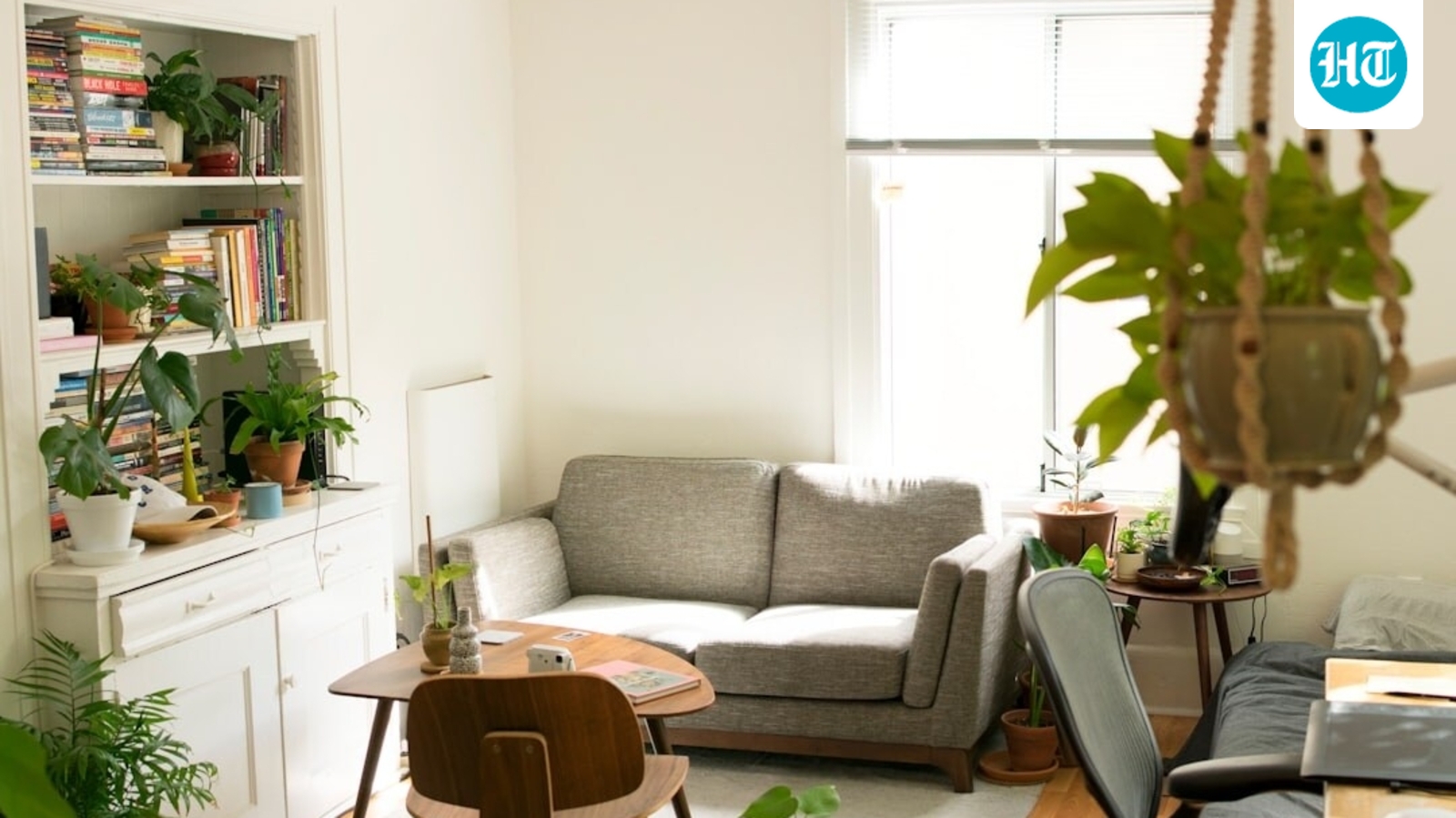
Older adults may experience mobility issues that make getting out of bed, walking to the bathroom, or moving around the house challenging, particularly when the interiors do not accommodate their needs. Accessibility is essential for a home with seniors, helping them feel comfortable and move around more independently. So, what should you prioritise when designing senior-living interiors?
Saumyajit Roy, co-founder of Emoha and Shremoha, shared with HT Lifestyle how to plan senior-living interiors that prioritise safety, accessibility, and comfort while supporting everyday independence.
So, designing for older adults means paying attention to how they will use the space every day. It goes beyond basic comfort and visual appeal. Interiors also need to cater to mobility and sensory needs.
Roy described why accessible interiors are important: “As demand for senior living grows in India, the concept is evolving beyond traditional retirement homes into thoughtfully designed communities that support independent and dignified ageing. In this shift, interiors play a role that goes far beyond aesthetics. Good design can make everyday life more comfortable, accessible, and safe, while supporting independence and quality of life. ”
When designing for senior living, three priorities the expert recommended, which are particularly important:
1. The Bed-to-commode distance
- Keep route short: Distance between bed and bathroom should be as short as possible.
- Clear the pathway: Keep the route free of clutter, furniture, and other obstructions to allow easy movement.
- Use slip-resistant flooring: Choose anti-skid bathroom tiles to help reduce the risk of slipping.
- Allow room to move: Ensure the bathroom has enough space for comfortable movement.
- Plan wider doorways: Bathroom doors should be wide enough for a wheelchair to pass through comfortably.
2. Light, contrast, and sensory ease
- Maximise natural daylight: Natural light can improve visibility and support the body’s sleep-wake cycle.
- Provide even, glare-free lighting: Use layered lighting, especially in corridors, bedrooms, and bathrooms, to help residents move around confidently.
- Create colour contrasts: Distinct colours for floors, walls, and furniture can make it easy to judge depth and identify different parts of a space.
- Check acoustics: Reduce background noise and echoes so older people don’t have any hearing difficulties.
3. Familiarity, warmth, and a sense of home
- Include familiar belongings: Personal furniture and cherished possessions to get a sense of familiarity.
- Choose warm materials: Use materials and finishes that create a warm, welcoming ambience.
- Bring in greenery: Add indoor plants for a connection with nature.
In the end, the expert believed senior interiors should make them feel comfortable and at ease, and most importantly focus on mobility along with aesthetics. He remarked, “A well – considered home can add active, dignified years to a person’s life.”


