






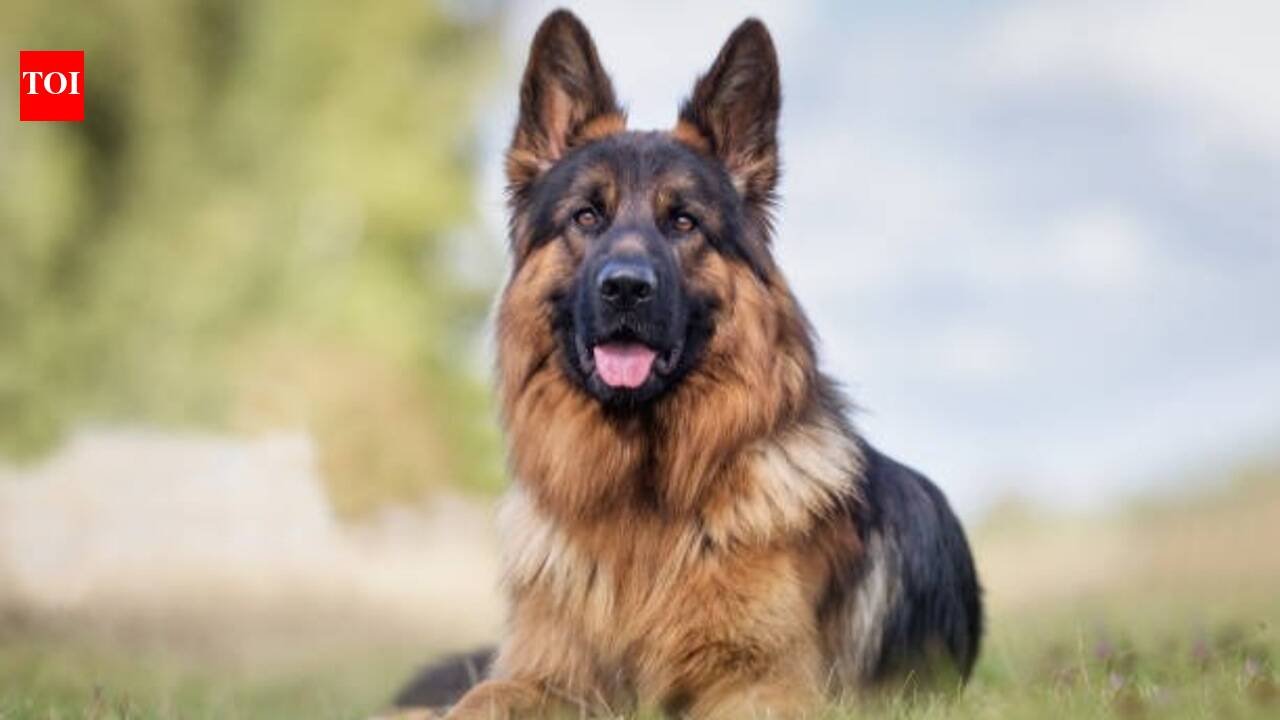
Ask any housing society in India to name a “guard dog,” and there’s a good chance a German Shepherd comes up first. It’s one of the most widely kept breeds in the country, valued for its intelligence, loyalty, and instinctive protectiveness, but the breed originally comes from cooler European climates, which naturally raises the question of how well it actually copes with Indian heat and humidity. The honest answer sits somewhere in the middle, German Shepherds aren’t nearly as heat-vulnerable as flat-faced breeds or thick-coated Arctic dogs, but they’re not perfectly suited to Indian summers either. Here’s a closer look at how the breed actually holds up, and what owners need to know to keep one comfortable here.
The coat is a factor, but not an extreme one
German Shepherds carry a double coat, an outer layer of coarse guard hairs and a denser undercoat beneath, which does trap some heat compared to short-haired breeds. That said, it’s nowhere near as thick or insulating as what you’d find on a Husky, Malamute, or Saint Bernard, all of which were bred specifically for snow. The Shepherd’s coat is better understood as moderate: enough to require regular brushing and seasonal shedding management, but not so heavy that it makes the Indian climate outright unbearable for the breed with proper care.
How they compare to other popular breeds
Relative to the dogs Indian owners often compare them against, German Shepherds actually fare reasonably well. They don’t carry the compressed airways that make Pugs, Bulldogs, and other flat-faced breeds struggle so severely with panting and cooling, and their coat is nowhere near as extreme as genuinely cold-climate breeds. That puts them in a middle category: dogs that need real heat management and won’t thrive if neglected, but that plenty of Indian owners have successfully kept comfortable for years with the right daily routine.
Exercise needs collide with the heat
This is where things get trickier. German Shepherds are a working breed with genuinely high exercise requirements, needing regular physical activity to stay both physically and mentally healthy. In Indian summers, that need runs headlong into the reality that midday exercise is genuinely risky for the breed. Most experienced owners shift walks and play sessions to early mornings or after sunset, when temperatures drop meaningfully, rather than cutting exercise altogether, which tends to cause its own set of behavioural and health issues in this particular breed.
Regional climate makes a real difference
Where in India you live matters more for this breed than people often assume. German Shepherds tend to do noticeably better in drier regions, or in hill stations and cooler northern winters, than they do in coastal cities with high year-round humidity, like Chennai, Mumbai, or Kolkata. Humidity is generally harder on a double-coated dog than dry heat, since it interferes with how effectively panting cools the body. Owners in humid coastal cities typically need to invest more seriously in fans, air conditioning, and shaded outdoor space than owners in drier parts of the country.
Skin and coat issues need watching
Beyond heatstroke risk, India’s combination of heat and humidity can bring on secondary problems for German Shepherds, particularly skin irritation, hot spots, and fungal issues that thrive in warm, damp conditions trapped under a thick coat. Regular brushing to remove loose undercoat, especially during seasonal shedding, helps air circulate closer to the skin and reduces this risk considerably. Bathing too frequently can strip natural oils and cause its own problems, so most vets recommend a balanced grooming routine rather than either extreme.
Practical steps that make the biggest difference
For owners set on the breed, a few consistent habits go a long way: plentiful shade and fresh water available at all times, walks scheduled around the coolest parts of the day, regular brushing rather than shaving the coat entirely, which can actually worsen heat regulation by removing the coat’s natural insulating and sun-protective function, and close attention to early heatstroke signs like heavy panting, drooling, or lethargy. None of this is complicated, but it does need to be consistent rather than occasional.
Disclaimer:
This article is intended for general informational purposes only and is not a substitute for professional veterinary advice. Individual dogs may tolerate heat differently depending on age, health, and living conditions. If you own or are considering a German Shepherd, consult a veterinarian for guidance specific to your region and climate, and seek immediate veterinary care if your dog shows signs of heat distress such as heavy panting, drooling, weakness, or collapse.


