



At the last meeting in April, the committee members voted 8-1 for a hold, with Huw Pill, the Bank’s chief economist, the only one to vote for a rate rise.
This time, the vote was 7-2, with Megan Greene voting alongside Pill for an increase in the rate to 4%. She highlighted the uncertainty over the impact on households and businesses of higher energy prices.
The MPC met just before the US-Iran peace deal was signed and will meet again at the end of July, when its success and longevity should be clearer.
Speaking later, Bailey said he was “encouraged” by recent developments in the Middle East.
“Energy prices have come down quite a lot, but they’re still above where they were before this conflict started. Inflation is higher than we expected it to be,” he said.
“I think holding is the right position to be in at the moment for that, so I think it’s a sensible decision in the light of the news.”
The peace deal, which was signed on Wednesday, could lead to the reopening of the Strait of Hormuz.
Should oil start to flow freely again through the vital waterway – which normally carries a fifth of the world’s oil and gas supplies – then concerns over a pick-up in inflation would be eased.
Price rises are still expected to accelerate in the UK, given the delayed impact of higher wholesale energy prices on domestic gas and electricity prices.
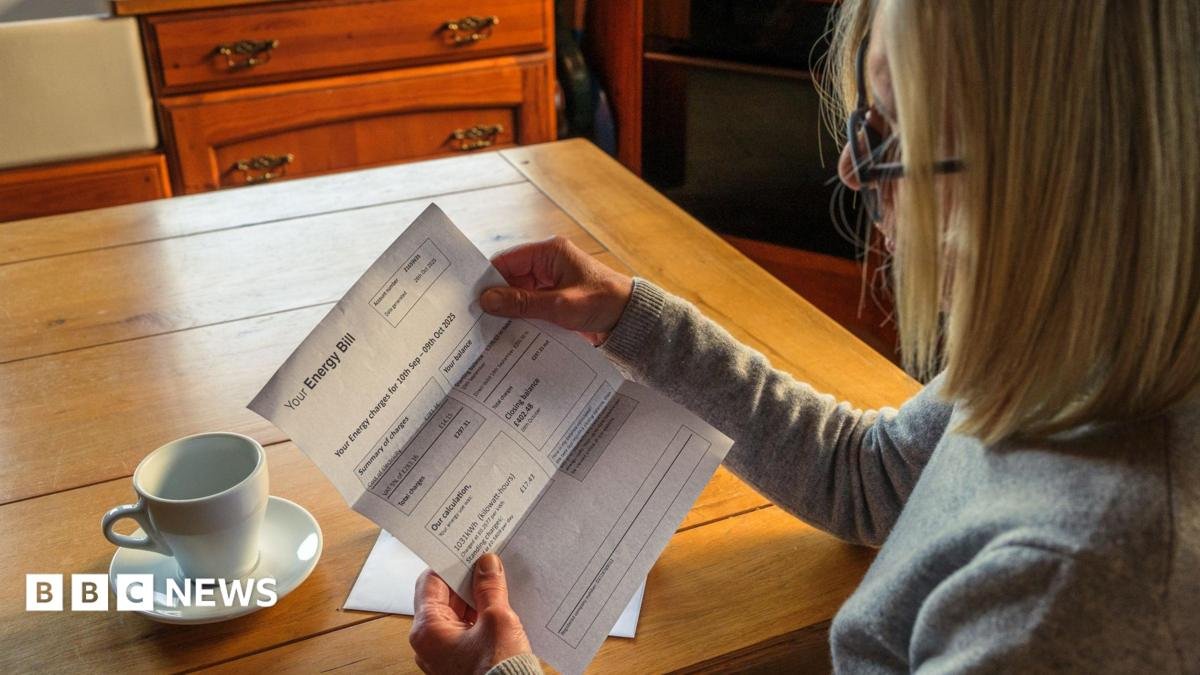
Millions of UK households’ energy bills are governed by regulator Ofgem’s price cap, which will increase by 13% in July.
However, the committee has lowered its overall inflation expectations since its last meeting in April, with an expectation that the rate will hit 3.25% in the final three months of the year. This is below even its most benign scenario outlined by the Bank earlier in the year, but still above the 2% target.


