



By Geeta Jayanth
India is witnessing a quiet but significant shift in how economic growth is being envisioned. Over the past few years, the Government of India has increased its focus on creative and cultural industries such as animation, gaming, design, and digital storytelling positioning them as important contributors to the country’s future economy. This growing emphasis reflects more than a policy decision; it signals a change in how value is being created in a rapidly evolving, digital-first world.
At the heart of this shift is what is often referred to as the “Orange Economy”. Simply put, the Orange Economy includes industries where ideas, creativity, culture, and technology come together to create value. These are sectors that rely not only on technical expertise, but also on imagination, problem-solving, and human insight. What makes this important is not the industries themselves, but the skills they depend on and how widely those skills are now needed across the economy.
As automation and artificial intelligence take over routine and repetitive tasks, the skills that remain most valuable are those machines cannot easily replicate. Creativity, adaptability, communication, and critical thinking are becoming central to innovation across sectors. The traditional divide between creative and technical roles is steadily disappearing.
The Digital Dilemma: Restrict or Guide?
If technology is shaping the future of work, should children be shielded from it or taught to navigate it wisely?
This is a tension many parents feel. Education today happens on digital devices. Assignments are submitted online. Research involves AI-supported tools. Yet alongside productive use comes exposure to distraction of social media, gaming excess, and online risks.
However, preparing children for an AI-powered world while disconnecting them from digital tools presents its own contradiction.
Perhaps the more meaningful distinction is not between digital and non-digital, but between purposeful engagement and passive consumption.
The role of parents may therefore shift from control alone to guidance and from restriction to conversations about digital responsibility, safe internet practices, ethical AI use, and mindful technology habits.
Students at the Centre of the Shift
While adults debate screen time and AI exposure, students themselves are navigating this landscape instinctively.
For them, technology is not an addition to life; it is the environment in which they are growing up. They are designing games, editing videos, building small applications, participating in robotics competitions, and experimenting with digital art and storytelling.
If nurtured thoughtfully, this generation’s familiarity with technology can become a strength rather than a vulnerability.
Ultimately, it is then not whether students are ready for this shift but whether the ecosystems around them are ready to channel that energy productively.
Industry Signals: Beyond the Influencer Narrative
The Orange Economy is often misunderstood as synonymous with influencer culture. This oversimplification prevents serious engagement with what the creative economy truly represents.
The fastest-growing roles in this sector are often behind the scenes – animators, game developers, UX designers, AI ethicists, digital architects, creative technologists. These professions demand structured education, technical expertise, disciplined thinking, and sustained problem-solving.
This reinforces an important shift within education itself: the divide between science and arts, technical and creative, is steadily dissolving. The future belongs to integrators who can think across domains.
The Role of Schools: Seeding Innovation Early
If children cannot be separated from technology, and if creativity is becoming central to economic value, where does education stand?
Many schools, including ours are already adapting. AI labs, robotics programmes, coding studios, interdisciplinary projects, and global exposure initiatives are becoming part of structured learning environments. Such experiences are not novelty; they aim to help students engage constructively with emerging technologies.
However, exposure alone is insufficient.
Education must also address digital citizenship teaching students about ethical AI use, safe online behavior, responsible social media engagement, and the boundaries between creation and consumption.
In many ways, schools now stand at a junction: encouraging innovation while cultivating present in their education but how thoughtfully it is integrated at home and in school. discernment, offering technological fluency while reinforcing values.
As the Orange Economy gains momentum, we must ask ourselves: Are we equipping children merely to use digital tools, or to shape, question, and improve the systems those tools are building?
That is where this wake-up call truly lies.
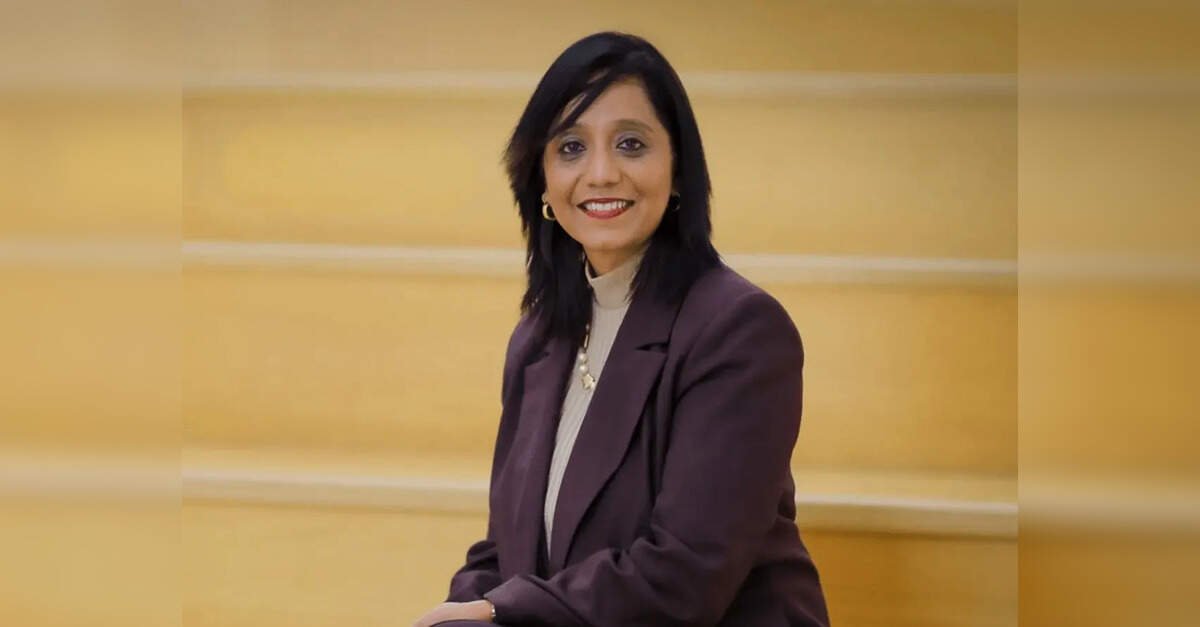
Geeta Jayanth is Head of School at Chaman Bhartiya School, Bengaluru, with over 24 years of experience in education leadership, school administration, and college counselling. She has worked across international curricula including IB, Cambridge, and ICSE, and serves as an authorised evaluation leader for global bodies such as the International Baccalaureate and the Council of International Schools. DISCLAIMER: The views expressed are solely of the author and ETEDUCATION does not necessarily subscribe to it. ETEDUCATION will not be responsible for any damage caused to any person or organisation directly or indirectly.


