



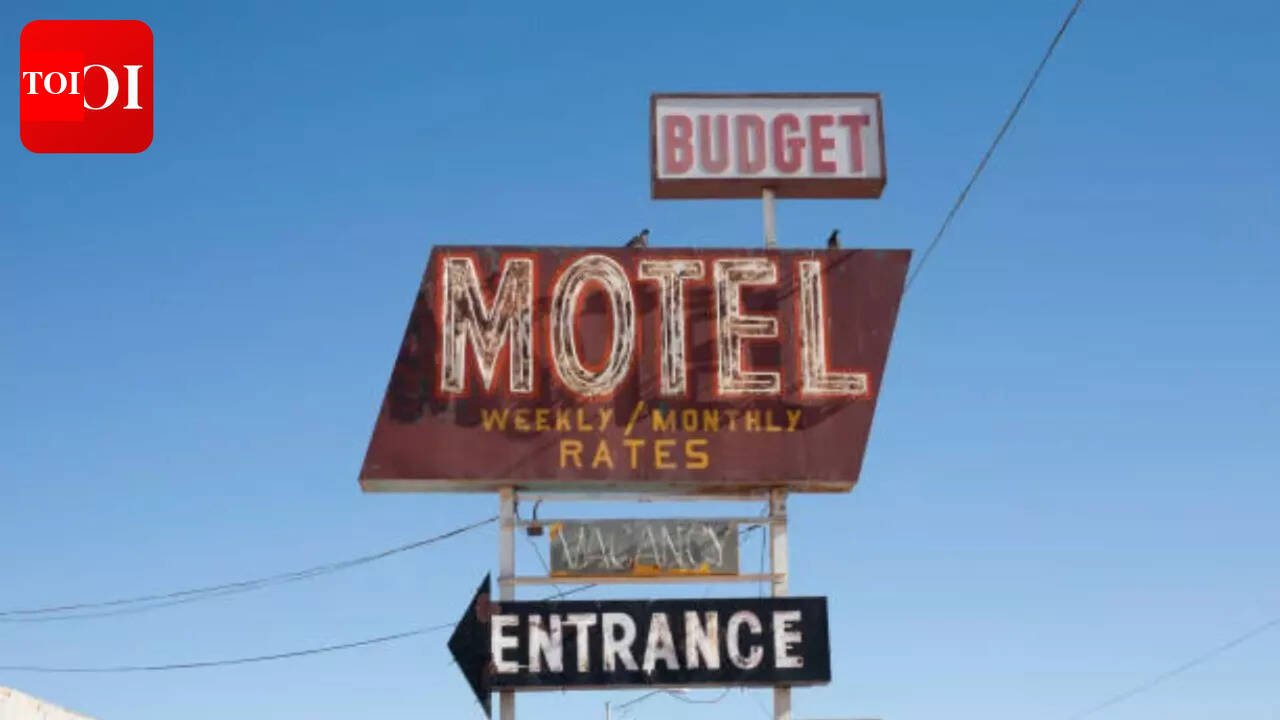
“Gas, meds and beds,” that’s what Indians targeted when they trickled back into America in 1965 after 45 years away due to the imposition of the Immigration and Nationality Act, joked Indian-American comedian Nimesh Patel. Son of a Gujarati liquor store owner, Patel often highlights the “Indian American hierarchy” which begins with CEO/hotel Indians, motel Indians, doctor Indians, science Indians, engineer Indians and then at the bottom lie liquor store Indians. But in the world of American hospitality, one name carries more weight than any title: Patel. In a classic example of “name as destiny,” the Patel community has cultivated such a dominant presence that they are believed to own 60% of all hotels and motels in the U.S., a figure that spikes to a staggering 90% in small-town America.
Inside the Patel Motel Cartel
The “Patel Motel Cartel” isn’t a shadowy organisation; it’s a masterclass in immigrant resilience. The seeds were sown in the 1940s when early Gujarati pioneers snatched up properties during the post-WWII downturn. The trailblazer was Kanji Manchhu Desai. In 1942, Desai and two farmworkers took over a 32-room hotel in Sacramento from a Japanese-American owner forced into an internment camp. By 1947, Desai had moved on to the Hotel Goldfield in San Francisco, turning it into a sanctuary for incoming Gujarati immigrants. This network exploded after the 1965 Immigration Act and the 1972 expulsion of Indians from Uganda by Idi Amin under the Africa for Africans ideology, sending a wave of industrious refugees toward American shores.
The Art of the “Dhandho”
How did a community with limited English and few “corporate” skills conquer an industry? They used the ‘Dhandho’ philosophy—a Gujarati term for business that focuses on low-risk, high-reward ventures. As investor Mohnish Pabrai explained it to ‘Diary of a CEO’ host Steven Bartlett: “Heads I win, tails I don’t lose much.”The model was simple but lethal to competitors:
- The family workforce: He claimed a few of the Patels realised that if they bought a 10-20 room motel, the family could live in a room or two and run the motel as well, dividing the tasks between the members themselves and eliminating labour costs.
- The price war: “When a Patel took over a motel in an area, what they were able to do was undercut the prices of all the other motels in the area. If everyone else is charging $25 a night, they are charging $19,” said Pabrai.
- The handshake economy: While their occupancy was higher than everyone else, they were also saving a lot of money on the side, using it to buy up the other motels in the area and send the nephew, brother, uncle and other relatives to run them. The community thrived on “handshake loans” capital provided with no collateral or rigid repayment dates, fuelled entirely by communal trust.
From the front desk to the west wing
The trajectory of the Patel community isn’t limited to hotel rooms and keys, it has risen to the political capital, take for example, Kash Patel, the FBI chief in USA. Before he was a high-ranking official in US national security, Patel was the quintessential “motel kid.” His parents, Gujarati Indians who fled Idi Amin’s Uganda, eventually settled in New York. Like many in the “Patel Motel Cartel,” his family’s journey was rooted in the same hospitality-driven immigrant hustle. Patel often credits his sharp, combative drive to his upbringing, embodying the transition from the “motel Indian” to “power Indian.“
Patels on the rise
What began like this in the 1970s has today led to Gujaratis, particularly Patels owning 60% of the motels across the US. In small towns and rural areas, the figure rises to as much as 90%. The Asian American Hotel Owners Association (AAHOA) founded in 1989, primarily represents Indian-owned hotels and accounts for nearly 34,000 properties valued at around $1 trillion. The hustle wasn’t easy. It was built on “sacrificed childhoods” and back-breaking labour. Chandrakant Patel, founder of Alamo Plaza Hotel Courts in 1976 came to the country for higher education and continued with an airline job while handling his family motel’s front desk during lunch hours. His grit paid off as Patel expanded from one independent motel to thirteen small hotels in 1987. In 2019, he owned eight major hotels including six in NYC, like Hilton, Best Western and Marriott.
The cost of success
This meteoric rise wasn’t without its scars. In the 1970s and 1980s, xenophobic hate groups like the ‘Dotbusters’ in New Jersey targeted Indian immigrants with physical assaults and threats. In September 2025, Chandra Mouli Nagamallaiah, a 50-year-old manager from Dallas was decapitated by a co-worker. In October, Rakesh Ehagaban was fatally shot in Pittsburgh while trying to intervene in a disturbance. Yet, the Gujarati spirit remains unshakeable. They continue to lead with a smile and a sharp eye for the bottom line. As the saying goes in Gujarat: “Vyapar ma vani ane vyavahar na shudh hova joiye” (In business, your word and your conduct must be pure.)In America’s motels, that purity of purpose has built an empire that isn’t just about “beds”, it’s about the ultimate American Dream.


