






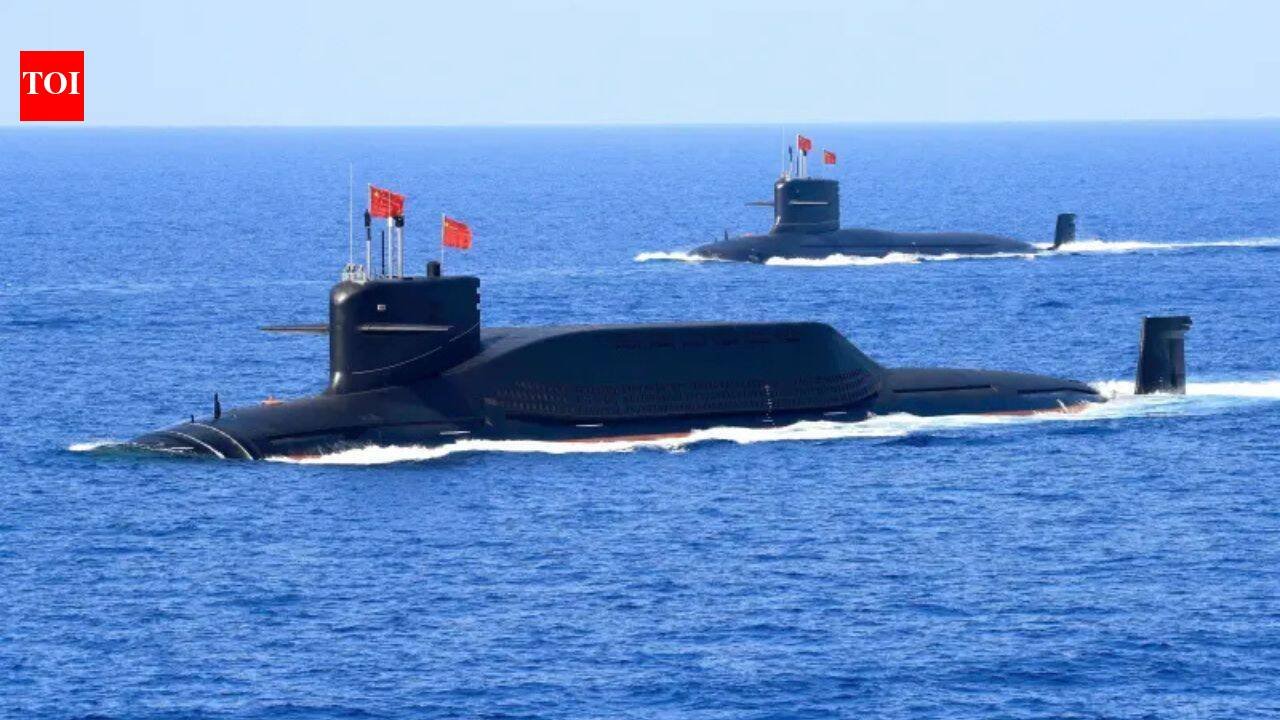
China is expanding infrastructure linked to its nuclear weapons programme at multiple sites across the country, with new construction and upgrades reported at facilities associated with nuclear research, testing and weapons production.According to Telegraph investigation, based on satellite imagery and expert analysis, identified activity at seven sites, including Pingtong, Zitong, Lop Nur, Jiuquan, Mianyang, Jinta and Guangyuan.The reported developments span different parts of China’s nuclear weapons infrastructure, indicating a broader expansion beyond missile deployment alone.The Federation of American Scientists, in its 2026 Nuclear Notebook, estimates that China has about 620 nuclear warheads, with additional warheads being produced for future delivery systems. FAS said China has continued developing new ICBM silo fields, additional DF-5 silos, new ICBM variants and advanced strategic delivery systems.China’s nuclear modernisation also extends beyond land-based missiles. According to FAS, Beijing is expanding its fleet of nuclear-powered ballistic missile submarines, fitting Type 094 submarines with longer-range JL-3 missiles and developing the next-generation Type 096 submarine.China has also assigned a nuclear mission to some H-6 bombers equipped with an air-launched ballistic missile that may have nuclear capability.The report comes as Chinese President Xi Jinping meets US President Donald Trump in Washington. In a written statement after his arrival, Xi said China and the US should be “partners, not rivals” and called for a stable relationship centred on cooperation, measured competition and manageable differencesChina’s nuclear policyDespite the expansion, Beijing continues to publicly describe its nuclear posture as defensive.In its 2026 submission to the Nuclear Non-Proliferation Treaty review process, China said it follows a nuclear strategy of self-defence, maintains a policy of no first use of nuclear weapons and keeps its nuclear strength at the minimum level required for national security.China foreign ministry spokesperson Guo Jiakun said in April that China’s nuclear policy is based on self-defence and no first use, while Beijing would not participate in a nuclear arms race with any country.In May, Chinese arms-control official Sun Xiaobo said the country’s no-first-use policy and its approach of maintaining nuclear capabilities at the minimum level required for national security would not change.The expansion of China’s nuclear infrastructure has nevertheless prompted debate among US and independent analysts over how the growing size and diversity of its arsenal could affect its nuclear posture.The Federation of American Scientists has said there is little evidence that Beijing has formally abandoned its no-first-use policy, while noting that China’s expanding force is making its nuclear capabilities increasingly sophisticated and survivable.


