






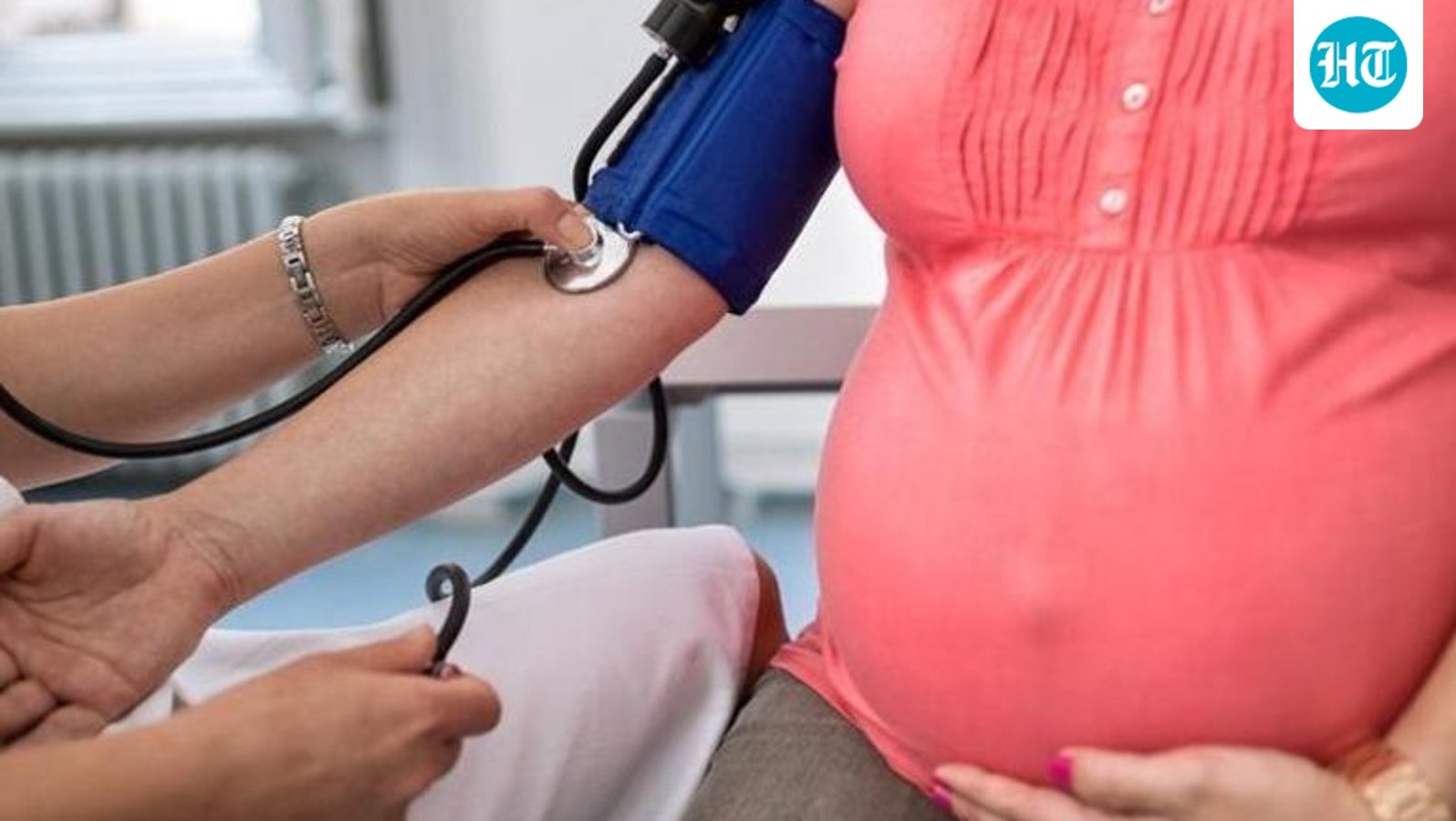
India is home to nearly 1.45 billion people, and more than a quarter of them (about 365 million) are between 15 and 29 years old. For almost two decades, this has been considered as the country’s defining advantage, which many countries with ageing populations can only envy. What hasn’t been talked about as much is how important it is that the wellbeing of this population is safeguarded. Nowhere is this truer than for women, and especially young mothers. Nearly one in every two pregnant women in India has anemia, a condition that could be fatal for a mother during childbirth, and that shapes a child’s growth and development.
Research shows that children born to anemic mothers are far more likely to be anemic. Nationally, two in three children under five (67%) have anemia, which threatens their cognitive and physical development. When you club this with the country’s sharply declining Total Fertility Rate, now down to 1.9 children per woman, we see a serious threat emerging. A country having fewer children can’t also afford for each one to start life at a disadvantage.
Recognising this challenge, the ministry of health and family welfare recently released the Anemia Mukt Bharat Abhiyaan – Operational Guidelines, signaling a significant step towards strengthening India’s approach to anaemia prevention and management. The program’s T3 approach (Test, Treat, Talk) now becomes T4, with ‘Tracking’ or referral monitoring added in. What this means is that every single anemic beneficiary will be followed digitally until her haemoglobin actually normalises, not just until she’s handed a prescription. The framework itself has expanded from covering six beneficiary groups with six interventions and six mechanisms (6x6x6) to seven of each (7x7x7), with low birth weight babies added as the newest group so that the intergenerational cycle of anaemia and malnutrition is interrupted.
For years, Anaemia Mukt Bharat leaned on prophylactic iron and folic acid supplementation, tablets handed out at scale, on the assumption that steady intake would be enough. However, compliance was inconsistent, absorption unpredictable, and a standardised approach couldn’t account for how differently anaemia behaves across the pregnancy, adolescence, childhood and infancy. The revised guidelines now build on preventive prophylaxis to include therapeutic case-based management. Intravenous iron has been included within the clinical protocols for eligible pregnant and lactating women who need it.
For an obstetrician, this is the change that matters most. Oral iron remains the right first step for mild anaemia, accessible, affordable, effective with consistent use. But for those with moderate or severe anaemia that isn’t responding to IFA, or is caught late in pregnancy, intravenous iron is a better bet. For example, a woman diagnosed with severe anemia at 32 weeks does not have three months to wait for daily tablets to slowly lift her hemoglobin. For her, and for women who cannot tolerate oral iron at all, Ferric Carboxymaltose (IV-FCM) can be lifesaving. It is now part of the national protocol itself. Administered in a single dose, it can correct haemoglobin levels within weeks, and in doing so, protect again conditions such as postpartum hemorrhage, which is still among the leading causes of maternal death in the country.
It isn’t just the guidelines that are changing. The Government of India is working closely with states to roll out IV-FCM in a methodical, phased manner. Health workers are being trained to administer it safely, facility readiness is being ensured to stock and deliver it where it’s needed, and in many States, sustained communication campaigns are being built to help both providers and patients trust and adopt the intervention correctly. This is the work of implementation that turns a national protocol into a safe, effective reality for women on the ground. And AMB Abhiyaan will help us monitor and track the progress among pregnant and lactating women. Ultimately, safeguarding the health of mothers and children is essential to realising India’s full potential, and ensuring that every woman receives timely diagnosis and effective treatment is a critical step towards that goal.
(The views expressed are personal)
This article is authored by Dr Bhaskar Pal, president, Federation of Obstetric and Gynaecological Societies of India.


