






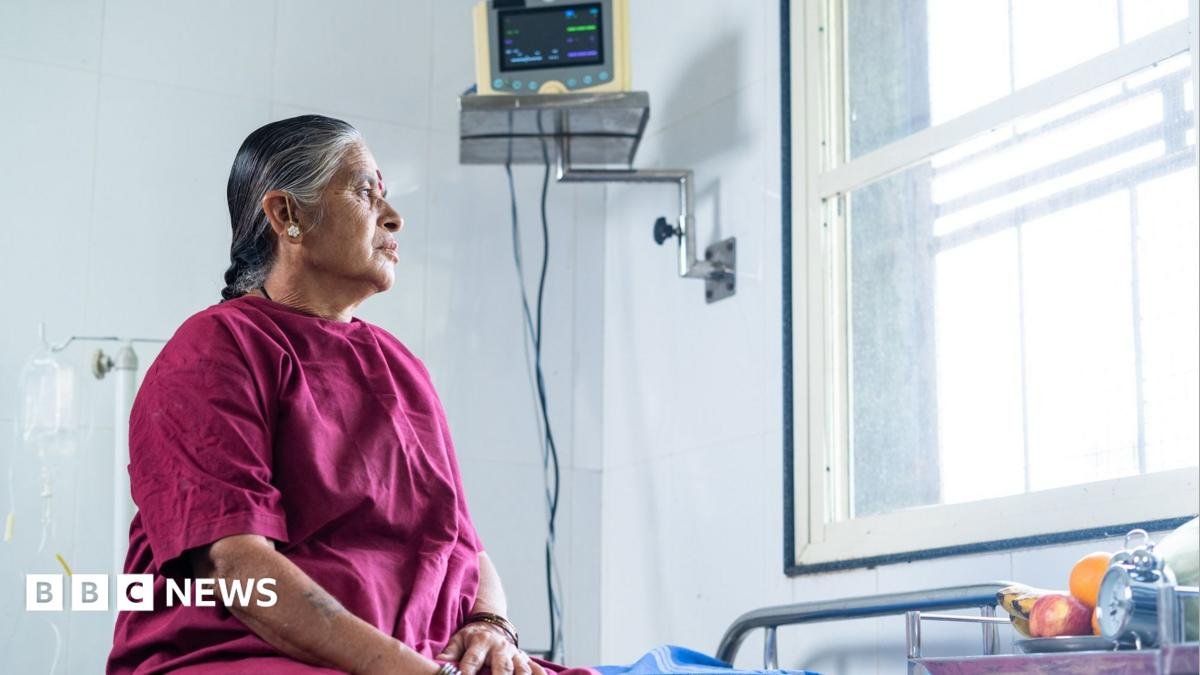
This was borne out by a new report, external released by a government panel recently, which highlights the strikingly unequal nature of India’s burgeoning healthcare economy, raising serious concerns about a “deepening affordability crisis” in the country’s private hospitals.
The report found that treatment in private hospitals is often between five and 10 times costlier than in government facilities, with the gap further widening for serious illnesses such as cancer, heart disease and kidney failure.
It also said the “unbridled” growth of clinics, nursing homes and diagnostic centres and uneven implementation of regulatory standards had led to “glaring disparities in both the quality and cost of care in private sector, leaving patients vulnerable to arbitrary pricing and substandard practices”.
It further blamed “rampant commercialisation of private healthcare” for increased patient grievances when it came to things such as excessive billing, unnecessary diagnostics, and soaring costs for routine procedures like childbirth, which it said was “directly pushing vulnerable households into catastrophic debt and distress, causing asset sales”.
Earlier this week, the food and drug regulator in India’s richest state, Maharashtra, also found IV (intravenous) sets being sold at an astonishing profit margin of 2,800% in hospitals, raising concerns over the pricing of medical devices, which it said was almost entirely unmonitored, external.
The government panel had a range of recommendations to address the challenges: among the more contentious of them, a cap on hospital room tariffs to the nearest three-star hotel level, price regulation of essential treatments, diagnostics, and routine procedures across all private hospitals and standard treatment guidelines to prevent over-treatment. It also red-flagged foreign ownership of over 51% in hospital chains.
India’s private hospitals have pushed back against some of the proposals.
In a statement to the BBC, Siddhartha Bhattacharya, Secretary General of NATHEALTH, an association representing India’s private healthcare sector, said the government should focus on reducing structural costs of healthcare delivery including taxes, land, capital, manpower and regulatory compliance requirements – rather than capping rates.
According to him, healthcare delivery is capital-intensive and investment-heavy and return on capital employed “hovers at around 10%, significantly lower than many other sectors of the economy, which often generate 1.5-2.5 times higher returns on capital”.
He also cautioned against comparing hospital tariffs with hotel tariffs, saying it overlooks key compliance requirements that hospitals have to adhere to, such as infection control standards and patient safety norms, all of which add up to costs.
The country’s biggest hospital chains, from Max Healthcare to Fortis, have warned that such arbitrary caps will “stifle, external” investment into the sector and scare away foreign investors if they are unable to get risk-free returns on their money.


