



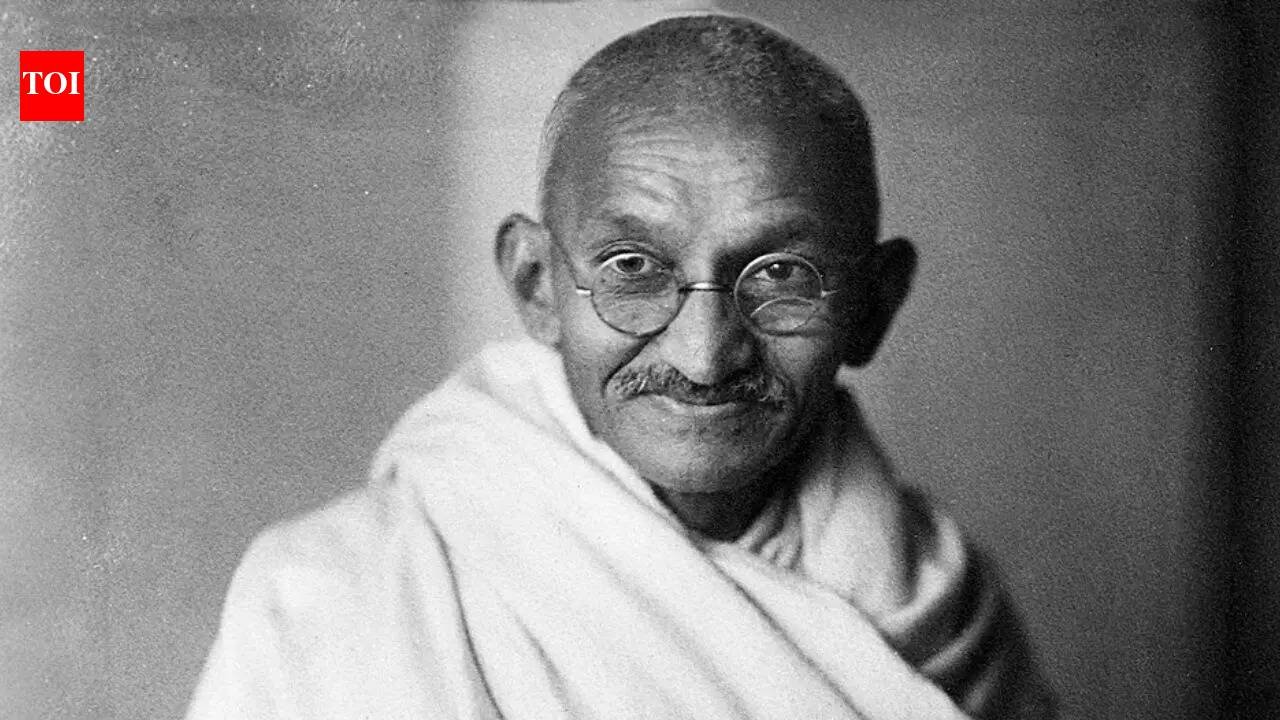
A lot of famous quotes survive because they sound clever. This one by Mahatma Gandhi survives for a different reason. It feels personal almost immediately.The line is short. Simple too. No dramatic language. No complicated philosophy. Still, people continue sharing it decades later because it quietly points toward something many individuals recognise in everyday life.Sometimes people speak beautifully without meaning much at all. And sometimes somebody says almost nothing, yet the emotion behind their silence feels completely genuine.That contrast sits at the centre of Gandhi’s quote.At first glance, the line appears to be only about prayer or religion. Spend a little more time with it though, and the meaning starts stretching far beyond spirituality. The quote touches sincerity, emotional honesty, human connection, and the strange emptiness that appears when actions lose genuine feeling underneath them.That probably explains why the line still feels relevant now.Modern life often rewards presentation more than sincerity. People carefully choose captions online, rehearse public statements, and polish how they appear emotionally in front of others. Words are everywhere. Constantly. Yet meaningful honesty sometimes feels surprisingly rare despite all that communication.Gandhi’s quote quietly pushes against that.
Quote of the day by Mahatma Gandhi
“In prayer it is better to have a heart without words than words without a heart.”
Why the quote feels more modern than people expect
Interestingly, this line sounds almost written for the internet age, even though Gandhi lived long before social media existed.Today, people communicate all day through texts, videos, comments, captions, voice notes, and posts. Everybody is speaking constantly. At the same time, many conversations still feel emotionally empty. Replies become automatic. Compliments sound rehearsed. Apologies are typed quickly and forgotten minutes later.Even spiritual practices occasionally turn performative now.People post motivational thoughts, mindfulness routines, and carefully curated moments of peace online every day. Some of it is sincere, obviously. Some of it also feels more like image management than genuine emotional reflection.That is where Gandhi’s quote becomes surprisingly sharp.He seems less interested in outward performance and far more interested in emotional truth. A person struggling silently with genuine feelings may understand prayer more honestly than someone repeating perfect words mechanically.That idea probably resonates because most people instinctively recognise the difference between sincerity and performance.
What does Mahatma Gandhi’s quote mean
The quote essentially argues that genuine feeling matters more than polished expression. That sounds obvious at first. Real life proves otherwise constantly.Many individuals know how to say the correct things publicly while feeling emotionally disconnected privately.Someone can deliver a perfect speech without sincerity. Another person may struggle finding words at all yet still communicate something deeply human through honesty alone.Most people notice that difference immediately.A forced apology rarely feels convincing even if every word sounds technically correct. Meanwhile, a hesitant conversation filled with emotion often feels more trustworthy because sincerity becomes visible underneath imperfect language.Gandhi seems to value the second kind of honesty far more.The quote almost suggests emotion gives words their meaning. Without emotional truth underneath them, words eventually become hollow, no matter how elegant they sound.
Why silence sometimes feels more powerful than language
One reason this quote stays memorable is that it acknowledges something many people experience but rarely explain clearly: silence can communicate emotion, too.Human beings do this constantly without thinking about it.A parent sitting quietly beside a frightened child. Someone holding another person’s hand during grief. Friends sharing silence after difficult news. In moments like that, emotional presence often matters more than finding perfect sentences.Gandhi appears to understand that deeply.According to the quote, a heart full of sincerity still carries meaning even without elaborate words attached to it. That perspective feels comforting because many people struggle expressing emotions verbally during painful periods. Grief, anxiety, exhaustion, guilt, or fear can leave somebody unable to articulate exactly what they feel.The quote removes pressure from that experience. Perhaps sincerity itself is enough sometimes.
The line quietly criticises performative behaviour
Another reason people still connect strongly with Gandhi’s words is that modern culture increasingly feels performative.Social media especially encourages presentation. People learn how to appear thoughtful, spiritual, compassionate, successful, or emotionally balanced publicly. Over time, some individuals begin performing emotions rather than genuinely experiencing or processing them.That creates emotional fatigue eventually.Audiences become suspicious of perfectly crafted public sincerity because it often feels artificial. Gandhi’s quote cuts through that almost effortlessly. It suggests that genuine feelings matter more than polished appearance.That lesson applies everywhere.Religion. Friendships.Relationships. Even ordinary conversations.People generally forgive awkward honesty far faster than polished insincerity.
Why the quote still feels emotionally calming
Despite criticising emotional emptiness, Gandhi’s words do not sound harsh. The tone feels calm. Almost reassuring. That softness matters.The quote does not shame people for struggling with prayer or emotional expression. Instead, it quietly reminds readers that sincerity carries value even when language feels inadequate. Someone does not need perfect words to experience a genuine connection, whether spiritual or personal.Many readers probably find comfort in that idea because modern communication often feels exhausting. Everybody is expected to explain themselves constantly now. Opinions must be immediate. Emotions must become visible publicly. Silence sometimes gets interpreted as weakness or absence.Gandhi’s quote gently argues otherwise. A sincere heart still matters even when words fail.
Why people continue searching for authenticity
The internet made authenticity strangely valuable because people encounter so much artificiality every day. Carefully edited photographs. Public relations language. Influencer culture. Corporate empathy. Rehearsed outrage. Algorithm-friendly emotions.Eventually, audiences become emotionally tired of all of it.That exhaustion explains why older quotes like Gandhi’s suddenly feel fresh again. The line speaks directly against performance without needing dramatic language. It reminds people that emotional honesty cannot really be manufactured for appearances alone.Perhaps that is why so many timeless quotes continue surviving generation after generation. Human beings change technologically, socially, and politically. Yet emotionally, many struggles remain similar underneath everything else.People still want sincerity.
Other famous quotes by Mahatma Gandhi
- “Be the change that you wish to see in the world.”
- “The weak can never forgive. Forgiveness is the attribute of the strong.”
- “Live as if you were to die tomorrow. Learn as if you were to live forever.”
- “Happiness is when what you think, what you say, and what you do are in harmony.”
- “An eye for an eye only ends up making the whole world blind.”
- “Strength does not come from physical capacity. It comes from an indomitable will.”
Why this quote still stays with people decades later
Some quotes disappear because they belong too strongly to one moment in history. Gandhi’s words continue surviving because the emotional truth inside them remains recognisable in ordinary life.People still struggle separating sincerity from performance.They still experience conversations where words sound correct but are emotionally empty. They still search for honesty in relationships, spirituality, friendships, and daily interactions. And many still quietly feel relieved when somebody speaks with genuine feeling instead of polished perfection.That may be the real reason this quote continues spreading online.Not because it sounds poetic. Because it sounds true.Gandhi reminds readers that emotion gives meaning to language, not the other way around. Beautiful words without sincerity eventually feel hollow. Genuine feeling, even imperfectly expressed, still carries emotional weight that people recognise instinctively.And honestly, in a world already overflowing with noise, that lesson feels more valuable than ever.


