



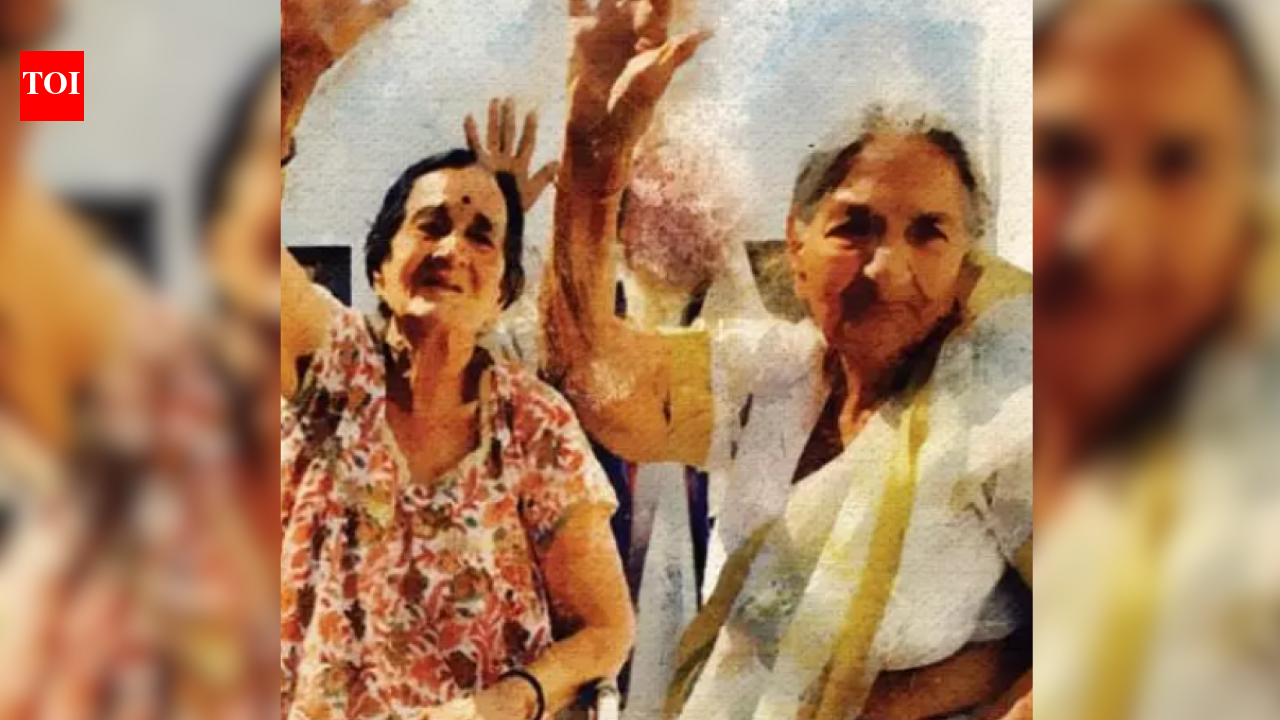
CHANDIGARH: It was an evening of shared emotion and quiet recognition at Tagore Theatre, where the city’s elderly gathered in large numbers for a screening that felt less like watching a film and more like being held by one.Organised by the Chandigarh Citizens Foundation, the documentary Aunty Sudha and Aunty Radha, directed by Tanuja Chandra, tells a simple, tender story — of two sisters living together, shaping their days on their own terms.Their world is small but complete: a shared home, familiar helpers, a garden, daily shopping lists, gentle banter and routine bickering. For many in the audience, it felt achingly personal.Harnoor, a college student who attended the screening with her grandfather, saw reflections of her own home.“My grandmother insists my grandfather eats rusk with his morning tea because of his medicines — just like in the documentary,” she smiled. “They read the newspaper together. He switches off the lights every night. It felt so familiar.”A retired brigadier said he wished he had seen the filmdecades ago. “I would have valued my time with my elders more,” he reflected.A philosophy professor noted how the film quietly challenges social assumptions. Aunty Sudha, a widow without children, might often be seen as “incomplete”. On screen, however, she is whole — content, self-assured, alive in her own way.As the film ended, tears flowed — but so did comfort and recognition.Justice Ritu Bahri spoke of what lingered with her most. “The way they talk about death is so matter-of-fact. There is no fear. That stayed with me.”The screening opened conversations many hesitate to have — about ageing, loneliness, and the emotional weight of growing old. “We focus so much on physical care,” one attendee said, “but we are still learning to address the emotional side of ageing.”For many, the film nudged a shift in perspective — to listen more, to value the elderly, to simply be present.For director Tanuja Chandra, the story is ultimately one of hope. “It’s about a chosen family,” she said. “About women finding companionship later in life and living freely after years of caring for others.”


