






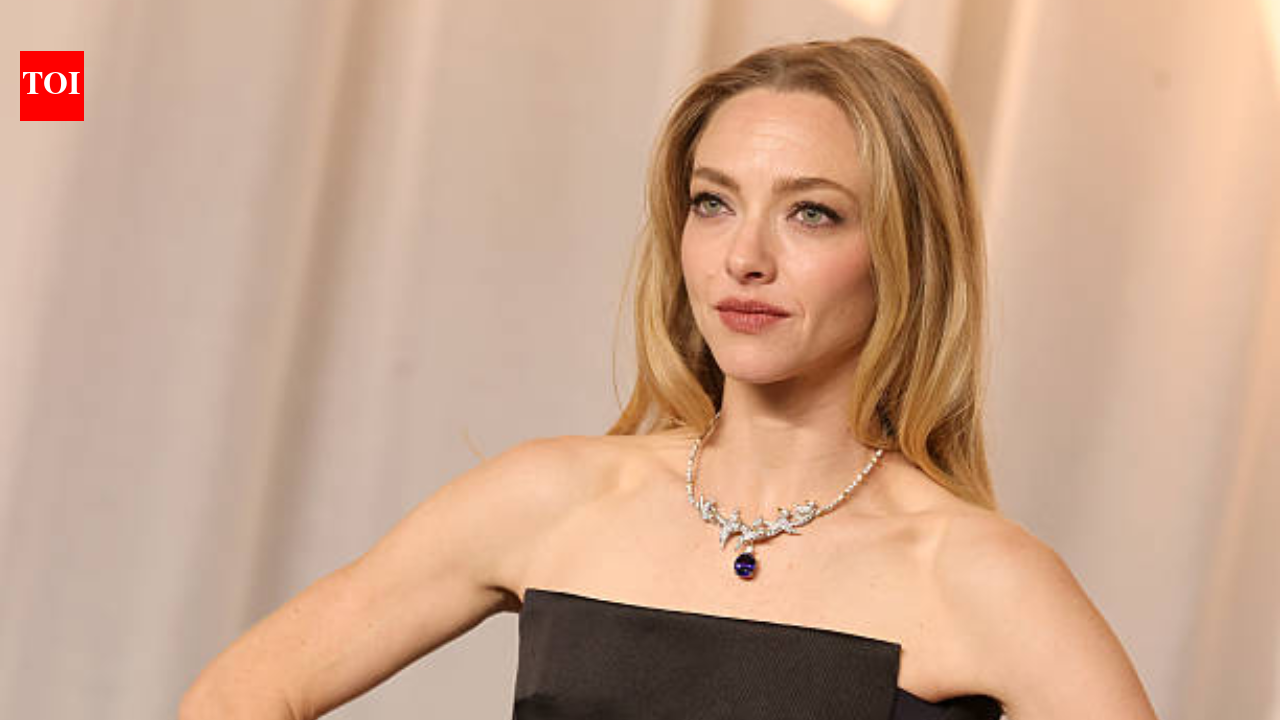
Amanda Seyfried may be known for her Hollywood roles, but her favourite place to unwind is far removed from red carpets and film sets. The actor bought a 1930s farm in New York’s Catskills region in 2013 and gradually transformed it into a home for her family and a refuge for rescued animals. In a 2025 profile, Architectural Digest described how Seyfried expanded the original farmhouse, converted a barn into a two-bedroom guesthouse and made the rural property her primary residence. In a separate report, People highlighted her description of the animal rescue farm as her dream, detailing its nonprofit status and the animals she and her family care for.
A farmhouse that grew with her life
Seyfried’s decision to settle in the Catskills was driven by her desire for privacy, nature and a quieter life away from the pressures of Hollywood. She fell in love with the farmhouse’s rustic stonework and a trellis connecting the house to a detached garage, she told The Wall Street Journal, as cited by Architectural Digest.The original house was small, so Seyfried and her family expanded it to add a kitchen. Rather than replacing the property’s older structures, they adapted them to meet their changing needs. The farm gradually became both a family home and a place where rescued animals could live. Her husband, actor Thomas Sadoski, joined her at the Catskills property after the couple married in 2017. The family also includes their two children, born in 2017 and 2020.The farmhouse’s interiors reflect Seyfried’s preference for a relaxed, lived-in atmosphere rather than a formal celebrity home. She worked with designer Sarah Zames of General Assembly to shape the property’s spaces. In a 2024 interview with House Beautiful, she described a cosy window-seat nook in the first-floor living room as her favourite spot, where she could crochet or simply sit and unwind.
A two-bedroom guesthouse and animal rescue sanctuary
One of the most significant changes to the property involved an existing barn. Instead of leaving the structure unused, Seyfried had it converted into a two-bedroom guesthouse. According to Architectural Digest, the renovated space includes a kitchenette, a lounge area and a gym. The transformation allowed the building to serve a new purpose without losing its connection to the farm’s agricultural past. Part of the barn continues to be used for storing hay, while the horses have another barn nearby.The guesthouse is an example of how the property’s existing structures have been adapted rather than discarded. The result is a farm that combines its historic character with the practical requirements of a family home.The farm’s most distinctive feature, however, is its role in animal rescue. In its December 2025 report, People described the property as a 501(c)(3) nonprofit animal rescue farm in upstate New York. The designation refers to a category of US nonprofit organisations that qualify for federal tax-exempt status.The property is home to rescued horses, donkeys, goats, chickens, ducks, cats and dogs. Seyfried has spoken about the challenges and rewards of caring for animals, many of whom are elderly or have medical needs. A local caretaker helps the family manage the daily responsibilities involved in looking after them.The work is not simply about providing space. Animals that have experienced neglect, abandonment or health problems can require regular feeding, specialised care and veterinary attention. Looking after them becomes an ongoing commitment rather than a one-time act of rescue.Seyfried has also spoken about her bond with her pony, Cliff, who was 38 when she discussed him in the interview cited by Architectural Digest. She described the time she still had with him as a gift, reflecting the attachment that can develop between people and animals over many years.For Seyfried, the farm offers a sense of accomplishment that is independent of her professional success. In a 2020 interview with The New York Times, she spoke about how satisfying it was to feel successful at home without needing to be in a successful film. She has also explained that caring for ageing animals helps her focus on immediate responsibilities instead of worrying about things beyond her control. The repetitive, practical tasks of farm life provide a contrast to the uncertainty and intensity of an acting career.


