






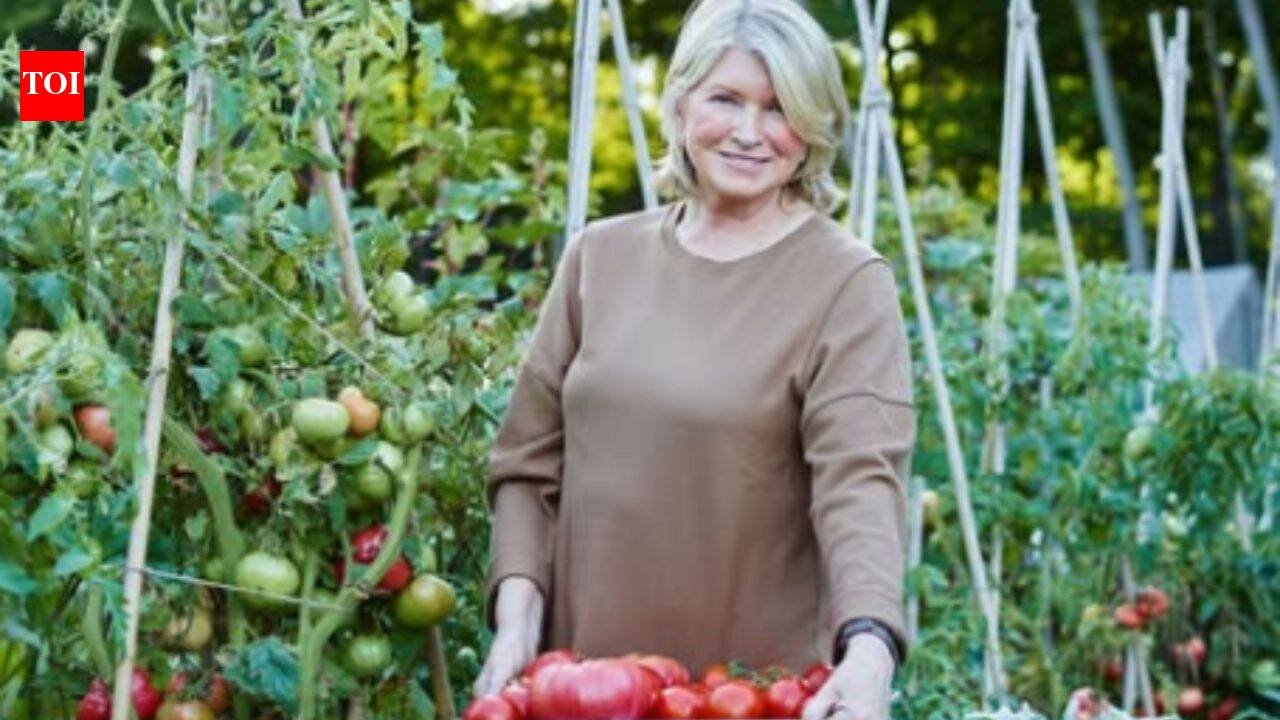
When Martha Stewart purchased a 152-acre farmhouse in Katonah, New York, in 2000, the property was more than a country retreat. It became a working farm, creative laboratory and carefully managed home for an ever-growing collection of animals. Over the next 26 years, the former farmhouse evolved into Bedford Farm, also known as Cantitoe Corners, with horses, gardens, historic and modern buildings, and a remarkable variety of poultry. Stewart has said she keeps more than 100 chickens of different breeds. In recent years, she added 13 new birds, including Araucanas, Silkies, Sultans, Polish chickens, Buff Orpingtons and Rhode Island Reds. She later welcomed a young male silver pheasant, bringing the farm’s pheasant population to 11. Her own website offers a close look at how the property became a living expression of her love of animals, gardening and country life.From farmhouse to farmsteadStewart bought the 1925 farmhouse in 2000, after years of transforming other properties into distinctive homes. Unlike a simple weekend estate, the 152-acre Katonah property offered enough land for a working horse farm and a broad range of agricultural activities.The house and grounds became known as Bedford Farm or Cantitoe Corners. Stewart’s approach was not to erase the property’s history, but to combine old and new. Historic buildings sit alongside modern structures, while gardens, paddocks and animal enclosures are organised across the land.The farm has become one of the places most closely associated with Stewart’s public image. It reflects her interest in horticulture, architecture, food and animal care. The property also provides the setting for many of her photographs and stories, allowing followers to see not only finished gardens and beautiful birds but also the daily work required to maintain them.A large farm is never static. Plants grow, buildings need repair and animals arrive, mature and sometimes leave. Stewart’s additions to the poultry population show how the property continues to evolve more than two decades after she bought it.A flock with personalityStewart’s interest in chickens extends beyond their usefulness. She has described raising chickens and other fowl as rewarding because of their beauty and companionship. Her flock includes many breeds, each with different colours, feather patterns, body shapes and temperaments.The diversity can be seen in the birds she selected from the Northeastern Poultry Congress in Springfield, Massachusetts. The annual event features thousands of birds, including chickens, ducks, turkeys, pigeons, geese and other fowl. For Stewart, it is a place to admire unusual breeds and meet breeders with specialised knowledge.Her flock includes Araucanas, Silkies, Sultans, Crested Polish chickens, Buff Orpingtons and Rhode Island Reds. These breeds look and behave differently. Araucana hens are known for laying eggs with pale blue shells, while Polish chickens are recognised for their dramatic crests.The birds’ differences are part of their appeal. Some have elaborate plumage, others are valued for their egg production and some are kept simply because their appearance adds character to the farm. Together, they create a living collection that changes as new chicks hatch and young birds mature.Thirteen new arrivalsOne recent expansion brought 13 new chickens to the farm. The birds came from the poultry show and represented several breeds that added new colours and features to the existing flock.When the chickens arrived, Stewart placed them in an enclosure reserved for new birds. This separation gave them time to settle into the farm and helped lessen risks that can develop when unfamiliar birds are introduced directly into an established flock. They were expected to join the other chickens later. The arrival process is representative of the practical side of keeping poultry. Adding beautiful birds to a farm requires more than selecting breeds. New animals need a safe enclosure, suitable food and water, protection from predators and time to settle into their surroundings. Each bird also needs observation. Farm caretakers need to look for signs of illness, stress or difficulty adapting.When the birds are eventually mixed with the established flock, their interactions must be monitored to ensure that the group remains healthy and stable.For Stewart, the process also creates an opportunity to introduce followers to poultry care. The birds are visually appealing, but their wellbeing depends on routine, planning and attention.The silver pheasant arrivesAfter welcoming the chickens, Stewart expanded her collection of ornamental birds with a young male silver pheasant. The arrival brought her total number of pheasants to 11. Most of the farm’s pheasants are golden pheasants, including birds with different colour variations. The new silver pheasant stood out for its long tail and silvery white and grey feathers marked with darker patterns. As the bird matures, its plumage is expected to change, with the crest and central feathers becoming more pronounced. At first, the young bird needed some time to get settled into its new environment. Stewart saw that it was starting to go out and enjoy the company of its new friends. This gradual introduction allowed the pheasant to get acclimated to its environment without being overwhelmed. Silver pheasants are ground dwelling birds, although they can perch when looking for safety or avoiding predators. Their calm and docile nature can make them appealing additions to a carefully managed private farm. Their striking appearance also makes them natural subjects for photography.Stewart’s pheasant collection includes different colour varieties, each requiring attention to its environment. Some golden pheasants need shade to help preserve the brightness of their feathers, particularly when direct sunlight can affect their colouring.Why the birds matter to the farmThe chickens and pheasants are not merely decorative features. They contribute to the farm’s atmosphere and rhythm. Their care brings about routines of feeding, cleaning, observation and protection. Their presence also links the property to older country ways of living, when farms typically had a mix of livestock and poultry. For Stewart, the birds fit in naturally with her gardens and culinary interests. Chickens supply eggs, and their behavior and look bring life to the landscape.They give color and movement, often perching among trees, paths and planted areas. The farm is also a place of education. Stewart shows features of different breeds in photographs and articles and explains how the birds are housed.Her posts encourage people to look at poultry as more than a uniform category of farm animal.At a time when many people encounter animals mainly through screens or supermarkets, the farm offers a more detailed picture of their care. It shows that eggs, feathers and ornamental beauty all depend on living animals with specific needs.A carefully managed collectionKeeping more than 100 chickens alongside 11 pheasants requires organisation.Birds need suitable shelters, secure fencing, clean water and protection from predators. Different species and breeds may also have different nutritional or environmental requirements.The farm’s size helps create space for separate enclosures and specialised areas. New arrivals can be quarantined or observed before joining established groups. Birds that need shade can be placed in suitable areas, while those that prefer higher perches can be given structures that allow them to roost safely.The size of the property also allows Stewart to keep the farm from feeling like a crowded collection. The animals can move through designed spaces while remaining under supervision. That balance between freedom and protection is an important part of responsible private animal care.The birds’ changing appearance adds another element of interest. Young pheasants do not always look like adults, and some chicken breeds develop their distinctive feathers as they mature. Watching those changes gives the farm a sense of continuity and anticipation.A home shaped by living thingsStewart’s New York property is often discussed through its gardens, architecture and interiors, but the animals reveal another side of the estate. A farm is shaped by living systems. Seasons influence planting, weather affects the birds and daily care determines how the animals thrive.The addition of 13 chickens and a silver pheasant shows that Cantitoe Corners is not a finished display. It remains a place of activity and change. New birds alter the routines of the farm, create fresh stories and add to the variety of life already present.That quality distinguishes the property from a conventional luxury estate. Its value lies not only in its size or design but in the way the land is used. Gardens produce flowers and food, buildings support farm work, and animals become part of the household’s daily experience. After 26 years, the farmhouse has become a carefully cultivated ecosystem, reflecting Stewart’s belief that beauty can be found in both formal design and ordinary care.More than a celebrity hobbyStewart’s poultry collection may attract attention because of her fame, but the interest in the birds also reflects a wider revival of backyard poultry and rare breed conservation. People increasingly want to understand where food comes from, keep small flocks or preserve heritage breeds that are less common in commercial agriculture.Rare and ornamental breeds can carry historical and genetic value. Maintaining them helps preserve traits that might otherwise disappear.Their colours, feather patterns, egg characteristics and behaviours form part of agricultural heritage.Stewart’s public documentation gives these breeds visibility. A photograph of a crested Polish chicken or a silver pheasant can inspire someone to learn more about poultry care, attend a local show or support a responsible breeder.The message is not that everyone needs a 152-acre farm. It is that keeping animals well requires knowledge, commitment and respect for their needs.Stewart’s property provides a large scale example of how those principles can shape country life.A farm that keeps growingWhen Stewart bought the farmhouse in 2000, she acquired the space to create a long term rural home. Since then, Bedford Farm has grown into a horse farm and a sanctuary for gardens, buildings and animals.The flock of more than 100 chickens and the 11 pheasants are part of that continuing story. The arrival of 13 chickens added new breeds and personalities, while the silver pheasant introduced another distinctive bird to the grounds.Each addition brings colour, companionship and another reason to pay attention to the everyday life of the farm.What began as a property purchase became a decades long project of cultivation. Stewart shaped the land, but the land also shaped her routines and interests. Today, the farmhouse is defined not only by its rooms or acreage but by the gardens that grow, the horses that move through the fields and the birds that fill the enclosures with sound and colour.


