



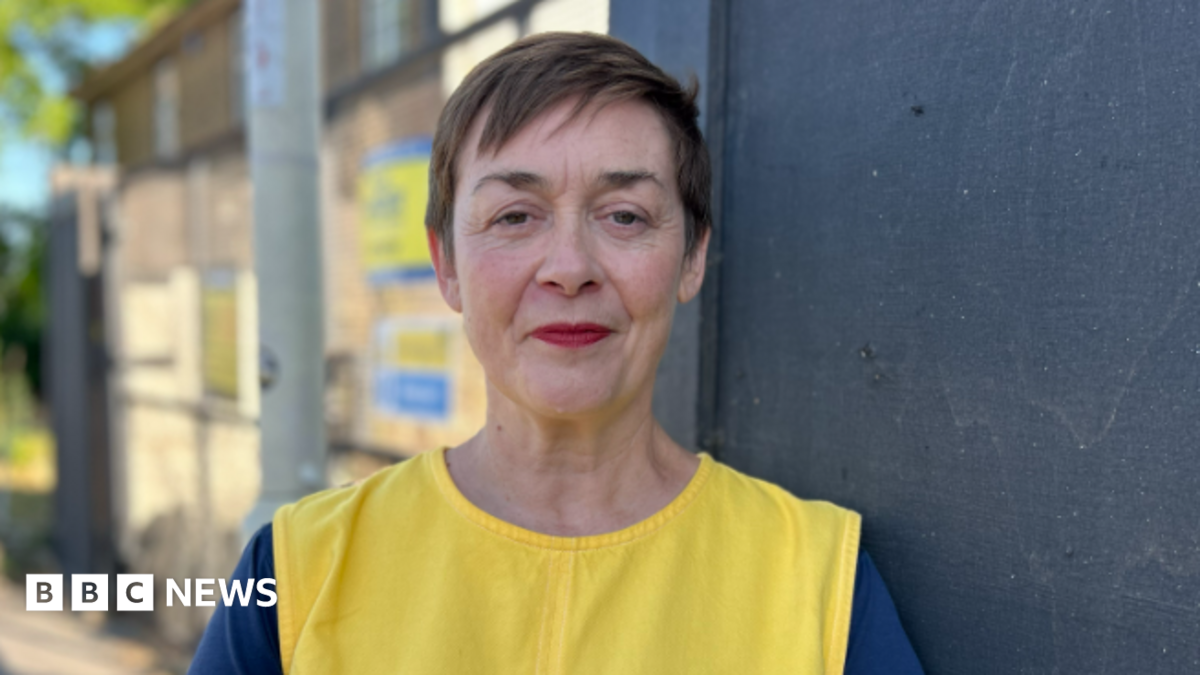
Sarah Williams vividly remembers watching her home burn down on the news. On 26 August 2024, she was on holiday when a neighbour texted her to say the Spectrum Building in east London was on fire.
But two years on from the blaze in Dagenham, which left more than 80 people homeless, residents including Williams say they are still “in limbo”.
The leaseholder said: “We’re still just stuck waiting for other people to make decisions about our future.”
She added that in a year’s time, the money they were given through insurance to pay for alternative accommodation will run out, and she is still paying her mortgage for a home that does not exist.
At the time of the blaze, from which at least 20 people were rescued, work was under way to remove dangerous cladding. An investigation found the scaffolding around the building at the time had caused the fire to spread, although the exact cause of the blaze is unknown.
The government had provided almost £6m through its Building Safety fund to remediate the building – administered by the Greater London Authority (GLA) – with a clause stating that if the work was not completed, the money would have to be repaid.
The Spectrum Building was demolished in December 2024 after surveyor reports deemed it unsafe.
The building’s freeholder, Arinium Ltd, has since gone into administration, leaving the administrators, FRP, in control of the company’s assets, including the insurance proceeds.
The government says, external the GLA has told the building’s administrators that the GLA may be owed money as part of the insolvency process.
The government says this is a standard procedural step and would not affect the money residents are owed, as the GLA would only receive any funds left after residents had been fully compensated.
The GLA said that, as is standard practice in insolvency law, it had informed the administrators of the government’s interest as a potential creditor.


