





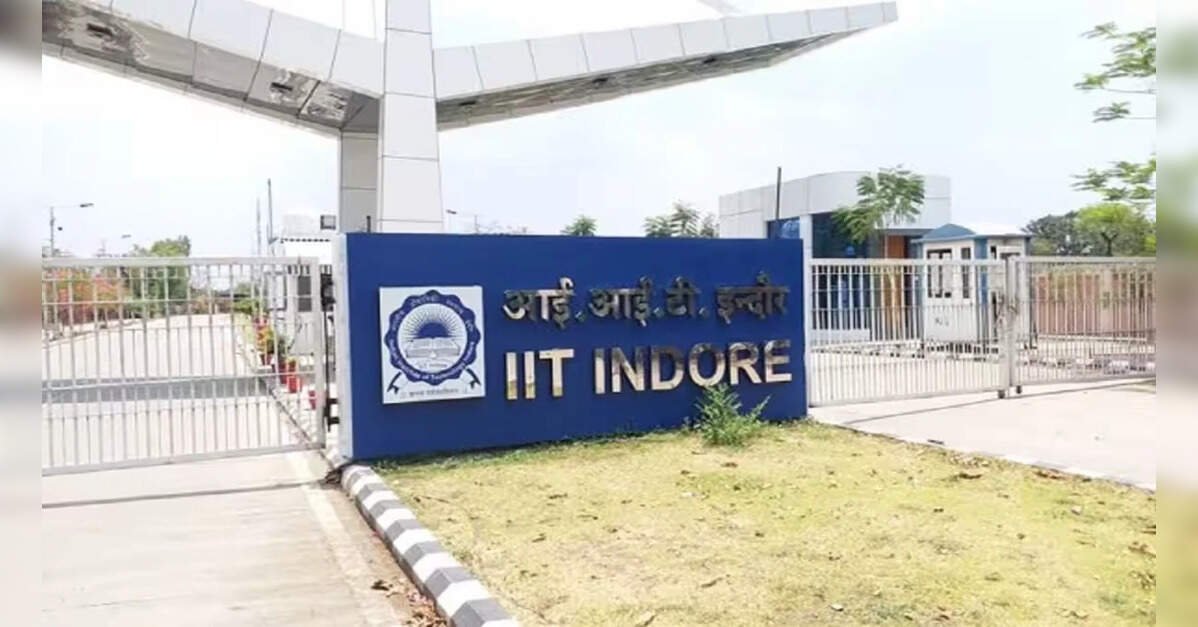
Indore: Researchers at Indian Institute of Technology, Indore have developed a non-invasive method that could help detect molecular changes linked to oral cancer using saliva and a simple swab from inside the mouth, potentially offering an alternative for repeated screening of people at high risk.
The study, led by Prof Hem Chandra Jha of the Mehta Family School of Biosciences and Biomedical Engineering and Dr Tarun Prakash Verma, was conducted in collaboration with Dr Deepak Agrawal of Govt College of Dentistry, Indore.
The researchers studied oral squamous cell carcinoma, the most common form of oral cancer, along with oral submucous fibrosis (OSMF), a condition associated with areca nut, gutka and tobacco consumption that can progress to cancer.
Samples from healthy individuals, OSMF patients and oral cancer patients were analysed using liquid chromatography-mass spectrometry. The team identified distinct molecular changes related to fat metabolism, energy production, oxidative stress, tissue repair and immune activity.
While saliva provided chemical signals reflecting changes occurring in the mouth, the swab collected cells and proteins directly from the oral lining. Combining the two sets of information helped researchers map molecular changes across the progression from healthy tissue to precancerous lesions and cancer.
Prof Suhas Joshi, Director, IIT Indore, said the study demonstrated how advanced molecular research could be translated into a simple and painless screening approach. Prof Jha said the team aimed to convert these molecular signals into practical tools for earlier detection and monitoring of high-risk oral lesions.
The method could eventually help identify people at increased risk, detect changes before visible symptoms appear and monitor high-risk patients without repeated biopsies. Its non-invasive and potentially economical nature could also make it suitable for large-scale screening, particularly in areas where specialist cancer diagnostics are less accessible.
The findings have been published in the British Journal of Cancer. IIT Indore has also filed a patent application for the technology, which is under process.
The researchers will now validate the findings in larger and more diverse patient groups before working towards targeted, easy-to-use tests for routine clinical use.
GFX
HOW THE METHOD WORKS
Saliva sample
↓
↓
Molecular analysis using LC-MS
↓
Detection of cancer-related molecular changes
↓
Early risk assessment and monitoring
THREE GROUPS STUDIED
· Healthy individuals
· Oral submucous fibrosis patients
· Oral cancer patients
WHAT RESEARCHERS FOUND
· Changes in fat metabolism
· Altered energy metabolism
· Oxidative stress signals
· Changes linked to tissue repair
· Immune activity changes
POTENTIAL ADVANTAGES
· Non-invasive
· No needle or biopsy for sample collection
· Potentially economical
· Suitable for repeated monitoring
· Could support large-scale screening
· May detect molecular changes before visible symptoms


