






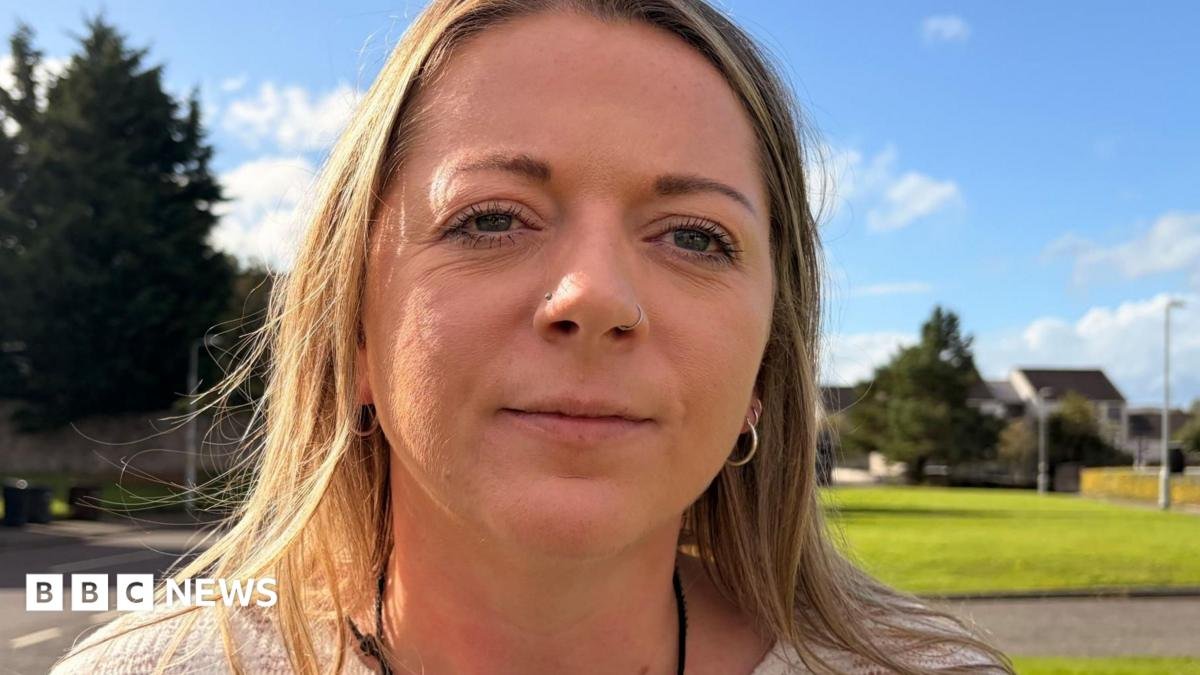
Jacqui Armstrong also spent years being treated for depression before receiving the correct diagnosis.
The 64-year-old began treatment on various antidepressants from her teenage years and over the next three decades her depressions led to several hospital admissions and a suicide attempt, all while she worked as a teacher in a primary school then a nursery.
“I couldn’t even get up the stairs, I was just broken,” she said. “I just felt like a huge failure the whole time, thinking ‘why can’t I get well?’.”
Jacqui said that during one episode, she was even given electroconvulsive therapy – a treatment that uses an electric current to induce a controlled seizure.
But she said the signs of bipolar were always there.
As well as frequent depressive periods, she experienced ‘hypomania’ episodes, spurts of unusually high energy, activity, or mood that were less severe than full mania.
“I would suddenly feel like a confident person, and I had all these ideas, and I was very sociable, thinking how many things can I fit into my diary,” she said.
“And then I would energise myself into a breakdown.”
It was only during her final hospital admission for depression that a psychiatrist asked Jacqui if she’d ever experienced symptoms of hypomania.
She was then assessed further and diagnosed her with bipolar II – more than 30 years after first seeking help for her mental health.
Meanwhile Kimberley, who had experienced a “full” manic episode that resulted in a break from reality, was diagnosed with bipolar I.
Experts say bipolar II is even harder to diagnose because it involves more frequent depressions and the manic episodes are not as severe, which is why they are dubbed hypomania.


