






I thought I had packed sensibly for my flight. My ticket gave me 15 kg of check in baggage and 7 kg of cabin baggage, so I was confident I had enough room for everything I needed. Then came the airport scale. My cabin bag tipped the scales at 18 kg. My check-in bag, on the other hand, was only 6 kg. I asked if I could simply move some of the heavier things from my cabin suitcase into my check-in bag. It seemed like the most obvious solution, especially since I had unused check-in allowance. But I was told I could not do that and would have to pay the excess baggage charge.
Three extra kilos cost me ₹2,100. I paid it, received a proper printed bill with the GST details and tax component, and moved on. There was no ambiguity about the transaction. The frustrating part was knowing that I had actually weighed my luggage at home and thought I was within the limit. That experience changed the way I pack for every flight now.
Why my home weighing routine was the real problem
My mistake was not checking the weight. It was how I checked it. I had been using the regular weighing scale at home, the kind you stand on to check your own weight. That gave me one reading, while the airport baggage scale gave me another. I cannot say exactly where the difference came from, but the experience was enough to make me stop relying on my bathroom scale for luggage.
Airlines work with specified baggage limits, and the actual allowance depends on the airline, route and fare. For example, IndiGo currently lists 15 kg of checked baggage and 7 kg of hand baggage for domestic travel. Akasa Air also lists 15 kg of checked baggage and 7 kg of hand baggage for domestic passengers. The lesson for me was simple. If the limit matters, use a luggage scale designed for luggage.
Stuck at the counter? These are the things I do now
I have changed a few small habits since that ₹2,100 mistake.
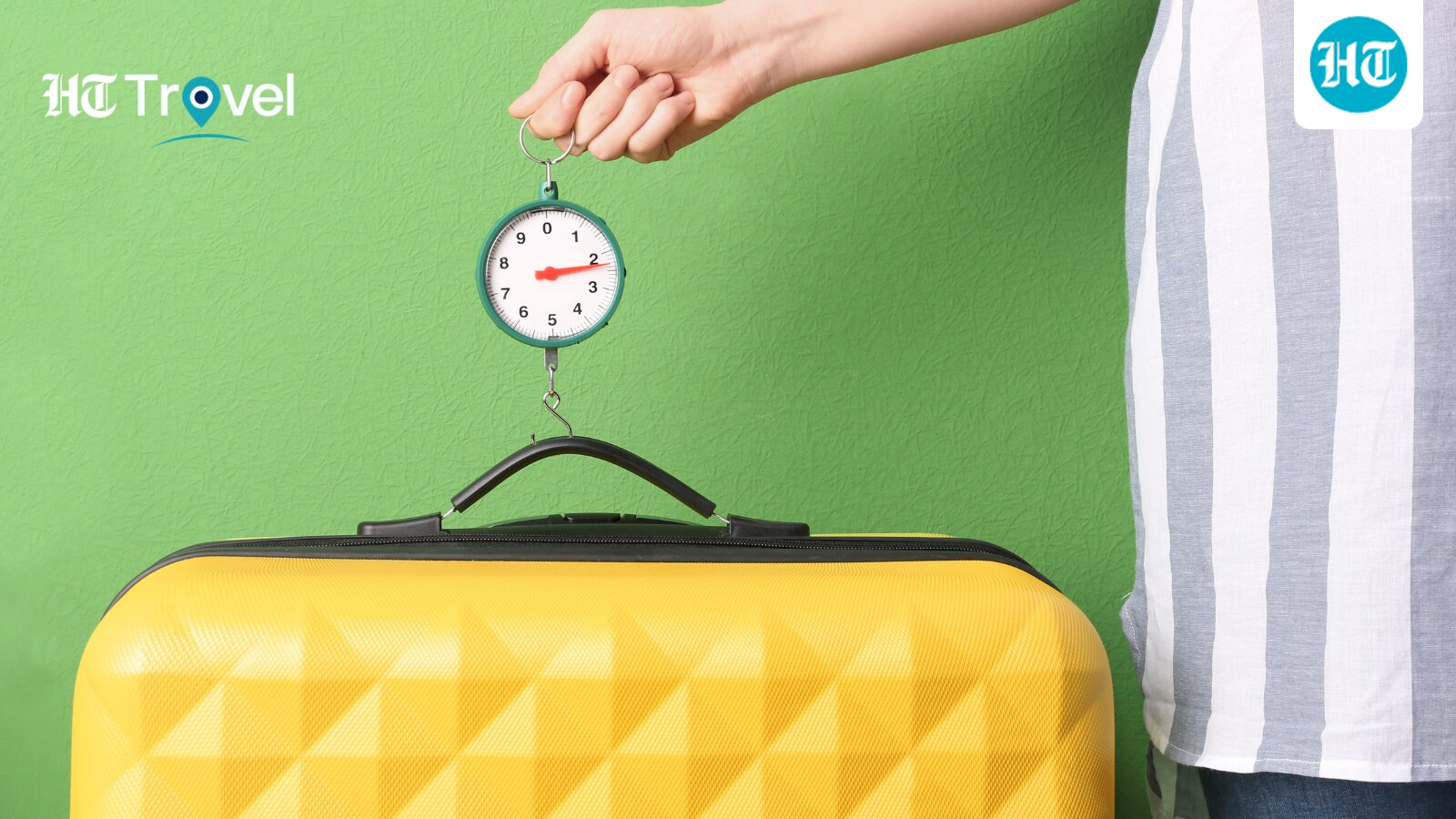
1. I use a proper luggage weighing scale
This is now non-negotiable. I check my bags before leaving home and again after adding those last-minute things that somehow find their way into my suitcase.
2. I keep my checked-in bag comfortably below 15 kg
I no longer try to pack right up to the limit. If my bag is around 13.5 to 14 kg, I have some breathing room for last-minute additions.
3. I move heavier items into my cabin bag strategically
Shoes, certain accessories and other dense items can go into the cabin bag, provided the cabin bag itself remains within the airline’s permitted weight and size. For me, this works best when the check-in suitcase is comfortably within its allowance. The trick is not to simply move everything into the cabin and create another overweight bag.
4. I wear the heavy stuff
If I am carrying chunky sports shoes, jeans or a heavier jacket, I often wear them while travelling instead of packing them. It sounds like a tiny change, but a pair of heavy shoes can make a noticeable difference to your suitcase weight.
Family travel gives you more packing flexibility
One thing I have noticed while travelling with family is that children often have smaller and lighter clothes. They may also need fewer accessories and bulky items.
So when travelling together, I look at everyone’s baggage allowance as part of the overall packing plan, subject to the airline’s specific rules.
I also check the fare conditions before assuming that allowances can be combined or shifted between bags. An airline’s baggage rules can vary, so it is worth checking the booking details rather than relying on what worked on a previous trip.
Your suitcase itself could be eating into your allowance
Here is another lesson I learnt after using several suitcases. Do not just look at the size, wheels and compartments when buying luggage. Check the empty weight. A heavier suitcase leaves you with less of your actual baggage allowance for clothes, shoes and everything else you want to carry.
For instance, I have used the Delsey Paris Chatelet Air 2.0, Swiss Military Lithane and Uppercase JFK and Serenity suitcases, and there can be a noticeable difference in empty suitcase weight.
If you fly often, those extra kilos matter. I also check the fare before booking. Some corporate fares can come with a higher baggage allowance, and travel agents may sometimes be able to offer corporate fares at a similar price to a regular ticket, subject to eligibility and fare availability. Always check the actual baggage allowance shown on your booking before paying.
My golden rule now. Never reach the airport guessing
My biggest takeaway from paying ₹2,100 for three extra kilos is that baggage fees are much easier to avoid at home than at the airport. Now, before every flight, I check my airline’s baggage allowance, weigh both bags using a proper luggage scale, keep my checked-in bag below the maximum and wear the heavier clothes or shoes when practical.
I also look at the suitcase’s own weight before buying it and check the baggage allowance attached to my fare. A cheap flight can stop being cheap very quickly once excess baggage enters the equation. For me, five minutes with a luggage scale at home is a much better deal than an unexpected ₹2,100 airport bill.
Similar articles for you
Tried and Tested: Every suitcase I have reviewed so far, simplified into one buying guide
I compared hard shell VS soft shell luggage; here’s what I’d buy again
Handpicked monsoon destinations in India backed by hospitality experts; what to pack, how to plan
Disclaimer: At Hindustan Times, we help you stay up-to-date with the latest trends and products. Hindustan Times has an affiliate partnership, so we may get a part of the revenue when you make a purchase. We shall not be liable for any claim under applicable laws, including but not limited to the Consumer Protection Act, 2019, with respect to the products. The products listed in this article are in no particular order of priority.


