






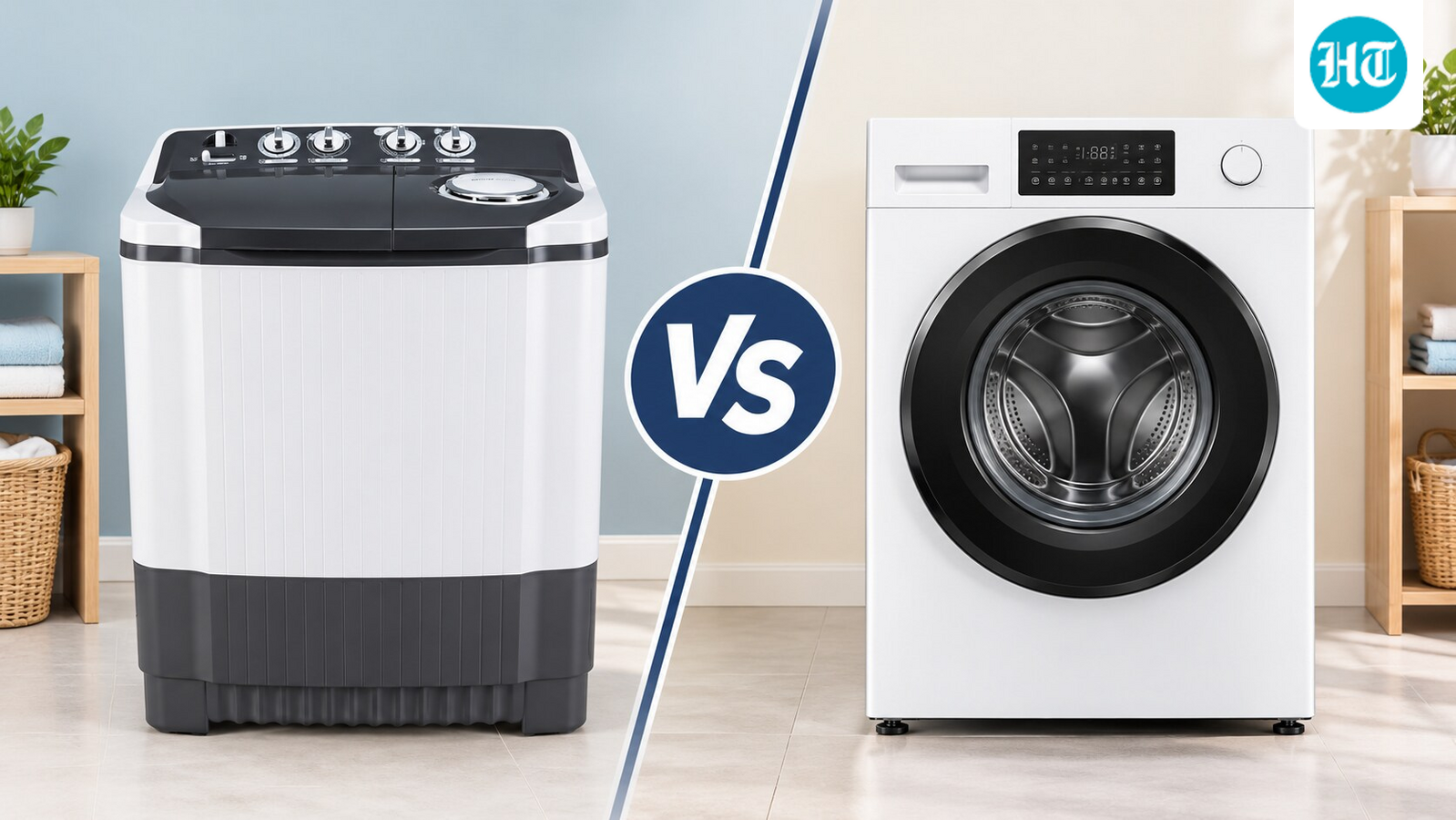
Washing machines have been making doing laundry easier for decades now. More specifically, semi-automatic washing machines have been a part of Indian homes for a long time now. This is why when I moved out of my home, the first washing machine that I got for myself was a semi-automatic washing machine. At the time, it seemed familiar, something that we have all grown up watching in our homes, and it also appeared to do a decent job at cleaning all the clothes. But recently, I decided to switch from an semi-automatic to a fully automatic washing machine.
I mainly expected to save a little time. But after using it regularly for almost a month, I realised that it changed my entire laundry routine in a good wat. Earlier, doing a load meant filling the tub, keeping an eye on the wash cycle, draining the water and then moving wet clothes for rinsing and spinning. It also meant cleaning at least one batch of clothes in the water in which the previous batch was cleaned. It was manageable, but it always felt like a chore that needed my constant attention.
But after switching to a fully automatic washing machine it changed in a way that made doing laundry a lot easier and more efficient. I now sort the clothes, add detergent, select the wash programme and leave the machine to do its job. I can start a load while preparing breakfast, working or handling other household tasks without having to keep checking on it. Even small things, like not having to lift a heavy bundle of soaking-wet clothes from one tub to another, have made laundry noticeably easier.
I’ve also become more organised about laundry. I can separate everyday clothes, towels and delicate fabrics and choose suitable cycles instead of using the same setting for everything. I’ve also noticed other smaller changes. Clothes come out with less water after the spin cycle, so they dry faster. The intelligent wash program available on my fully automatic washing means that I save up on the I’m more comfortable washing delicate clothes in the appliance rather than sending for dry cleaning each time because I can choose an appropriate programme.
That said, the switch isn’t entirely about convenience. Fully automatic machines generally cost more upfront than semi-automatic models. They also use different amounts of water depending on the type, and require you to understand programmes and settings to get the best results. After switching from a semi-automatic to a fully automatic washing machine, here’s what actually changed in my laundry routine and what you should know before making the switch yourself.
What changed in my laundry routine after switching to a full-automatic washing machine
– There is less manual intervention required on my part.
– I don’t need to transfer wet clothes between tubs.
– Wash-cycle selection happens easily and automatically.
– Spinning is better and more efficient.
– I don’t need to spend extra time monitoring each load.
What buyers in similar situations should know
– Check the machine’s capacity, wash programmes, water usage, spin speed, installation requirements before buying.
– Check whether a fully automatic model fits your household’s laundry volume and daily routine.
Top load fully automatic washing machine vs semi automatic washing machine: Why you should buy them
The choice between a top-load fully automatic and a semi-automatic washing machine ultimately comes down to how much of the laundry process you want the machine to handle. A semi-automatic can make sense if you want a simpler, often more affordable setup and don’t mind being involved in the wash-and-rinse process. A top-load fully automatic, on the other hand, is designed to take over most of the work once you load the clothes and select a programme.
Top load fully automatic washing machines are better suited to busy households where convenience and reduced manual intervention matter. Buyers should choose this washing machine if they want to load the clothes, select a cycle and walk away without manually transferring wet clothes between tubs.
Semi-automatic washing machines are easier to operate and can be useful where water availability or budget is a concern. Buyers who are comfortable moving clothes between the wash and spin tubs and want greater manual control over the process should pick this option.
Front-load fully automatic vs semi-automatic washing machine: Why you should buy them
Choosing between a front-load fully automatic and a semi-automatic washing machine ultimately comes down to how much convenience, space and manual involvement you are willing to trade for your budget. A front-load machine is designed for a hands-off laundry experience. It is also more efficient in terms of water usage and cleaning the clothes, while a semi-automatic model keeps more of the process in your hands. Here are the key reasons to consider each:
Front-load fully automatic washing machines are best suited for buyers who want a convenient, largely hands-free washing experience. It is also generally a better fit for frequent laundry, limited floor space and households looking for more specialised wash programmes.
Semi-automatic washing machine, on the other hand, makes sense for buyers looking for a more affordable option who don’t mind manual intervention.
Disclaimer: At Hindustan Times, we help you stay up-to-date with the latest trends and products. Hindustan Times has an affiliate partnership, so we may get a part of the revenue when you make a purchase. We shall not be liable for any claim under applicable laws, including but not limited to the Consumer Protection Act, 2019, with respect to the products. The products listed in this article are in no particular order of priority.


