






The Atlantic seemed unusually quiet during this 2026 season, while the Pacific kept producing significant storms. This was because El Niño helped suppress Atlantic activity, and the basin passed through its usual peak without a single hurricane. But since Hurricane Isaias formed near Mexico, it changed the whole story.
In fact, Isaias became a late but powerful storm that woke up the Atlantic. It strengthened over warm Gulf waters and reminded the US Gulf Coast that a quiet season is not the same as a safe one.
A Quiet Atlantic Finally Breaks
Hurricane Isaias is the first Atlantic hurricane of 2026, arriving unusually late after months when tropical storms failed to reach hurricane strength. Earlier reporting noted that no first Atlantic hurricane had formed this late since 8 October 1905, making Isaias one of the latest first hurricanes on record.
Why El Niño Kept the Atlantic Quiet
The Atlantic’s slow season had a clear atmospheric reason. El Niño can increase vertical wind shear across the Atlantic, and wind shear is one of the biggest enemies of hurricane formation. A tropical storm needs thunderstorms to rise and organize around a center of low pressure. When strong upper-level winds push those storms away from the center, the system struggles to strengthen.
This helped explain why the Atlantic stayed quiet for so long. Warm water still existed in places, but the atmosphere was often not supportive enough. Moreover, a quieter season, with El Niño-related wind shear, makes it harder for tropical storms to become hurricanes.
However, Isaias found a window where Gulf waters, moisture, and local atmospheric conditions were favorable enough. Once that happened, the quiet season had little comfort to offer.
From Mexico to the Gulf Coast
After forming near eastern Mexico, Isaias moved over the Gulf of Mexico, where late-season waters can still support strong storms. Forecast concerns stretched across parts of the northern Gulf Coast, including Louisiana, Mississippi, Alabama and the Florida Panhandle.
As Isaias strengthened, the concern shifted from whether it would become a hurricane to how much damage it could bring. The storm raised alarms for surge, damaging winds, heavy rain, power outages, and possible tornadoes. The Gulf Coast threat was never only about wind speed. Consequently, low-lying coastal areas faced dangerous water rise, while inland communities faced flash flooding and road bottlenecks.
Landfall Near Destin, Florida
The National Hurricane Center confirmed that Isaias made landfall near Destin, Florida, around 8:30 p.m. CDT on 9 October. At landfall, it had maximum sustained winds of 105 mph and an estimated central pressure of 971 mb.
In reality, a hurricane with 105 mph winds can damage roofs, bring down trees, cut electricity, and make roads unsafe. The storm’s winds did the same and also produced dangerous gusts across parts of the Florida Panhandle, with later reports describing gusts above 100 mph in some areas.
Deaths and Post-Storm Hazards
The human cost became clearer after landfall, but the emergency is still developing. Till now, four deaths have been reported after trees fell on homes, one in Escambia County, Florida, and another in Birmingham, Alabama.
These tragedies show why hurricanes remain dangerous even after the eye moves inland. In fact, many storm deaths are not caused by dramatic waves at the coast. They come from falling trees, flooded roads, damaged homes, downed power lines, generator accidents, and cleanup hazards.
Power Outages Across the Southeast
Power loss is becoming one of the hurricane’s biggest impacts. Earlier reports had already shown hundreds of thousands without electricity, but the numbers later climbed sharply. Until now, more than 900,000 people are without power across Florida, Alabama and Georgia after Isaias relentlessly hit the Gulf Coast.
According to the latest reports, outages remained just above 800,000 after peaking higher, with Florida, Alabama and Georgia among the worst affected states so far.
Power outages after a hurricane are not just an inconvenience. They affect fuel stations, hotels, hospitals, communications, food storage, traffic lights, and elderly residents who may depend on medical equipment or cooling. In places where roads are blocked, restoration can take unimaginably longer.
Flooding, Roads and Travel Disruption
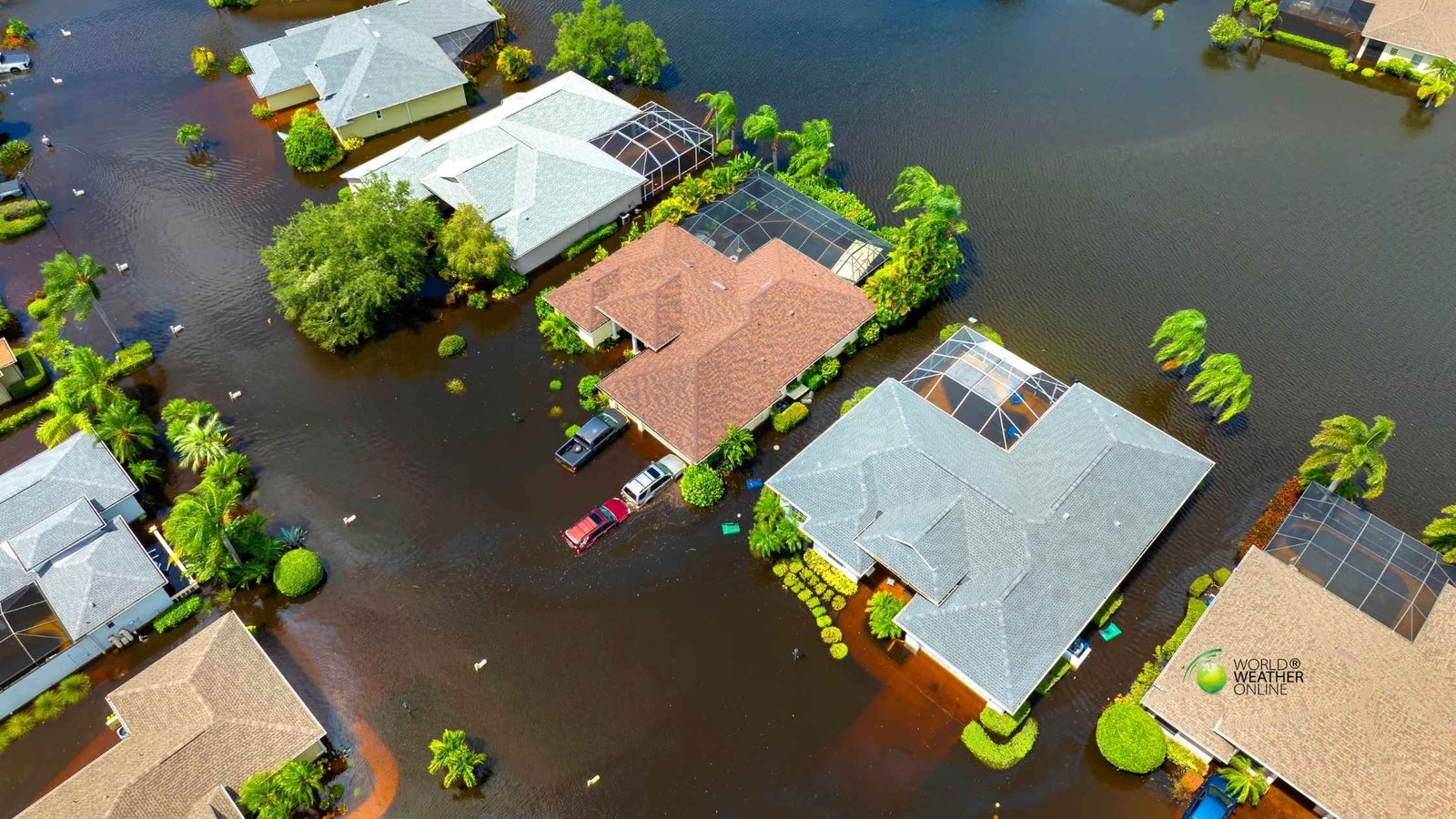
Although Isaias weakened as it moved inland, the flood threat continued. In this context, the National Hurricane Center warned that heavy rainfall could increase flash flooding across southern Alabama, the Florida Panhandle and southwestern Georgia, with landslides possible in the Southern Appalachians.
Flooding is visible in several coastal communities, including Tiger Point, Navarre and Destin, where roads and neighbourhoods are getting covered by stormwater. Santa Rosa County is reporting that many roads are impassable because of fallen trees or power lines, while Monroe County, Alabama, is reporting damage to homes, businesses, public buildings, communications and power infrastructure.
Moreover, travel also took a hit. Pensacola International Airport remained closed to commercial traffic while officials inspected damage, and Destin-Fort Walton Beach Airport reopened with severe delays and many cancellations. Major airlines also issued travel waivers for affected passengers.
Storm Surge, Tornadoes and Energy Disruption
Storm surge is another major danger from Isaias. As hurricane winds push ocean water toward land, coastal streets can flood quickly, especially near shallow coastlines and bays. Even when winds weaken, water can take time to drain away.
The storm also carries an inland tornado risk. Weather analysts are warning residents about strong winds, heavy rain, and possible “spinoff tornadoes” as Isaias moves inland. These tornadoes can form quickly in tropical rainbands and may occur far from the coast.
Isaias is also disrupting the Gulf’s energy sector. The energy producers shut in about 1.5 million barrels per day of oil and 1.3 billion cubic feet per day of natural gas as the storm approached. That is another reminder that Gulf hurricanes can affect offshore platforms, shipping, fuel markets, local businesses, and regional travel.
In a nutshell, it is essential for residents and travelers to watch for flash flooding in low-lying areas, downed trees, power lines, and weather warnings. Ultimately, a weakening storm can still knock out power, close airports, and create significant inland hazards.


