





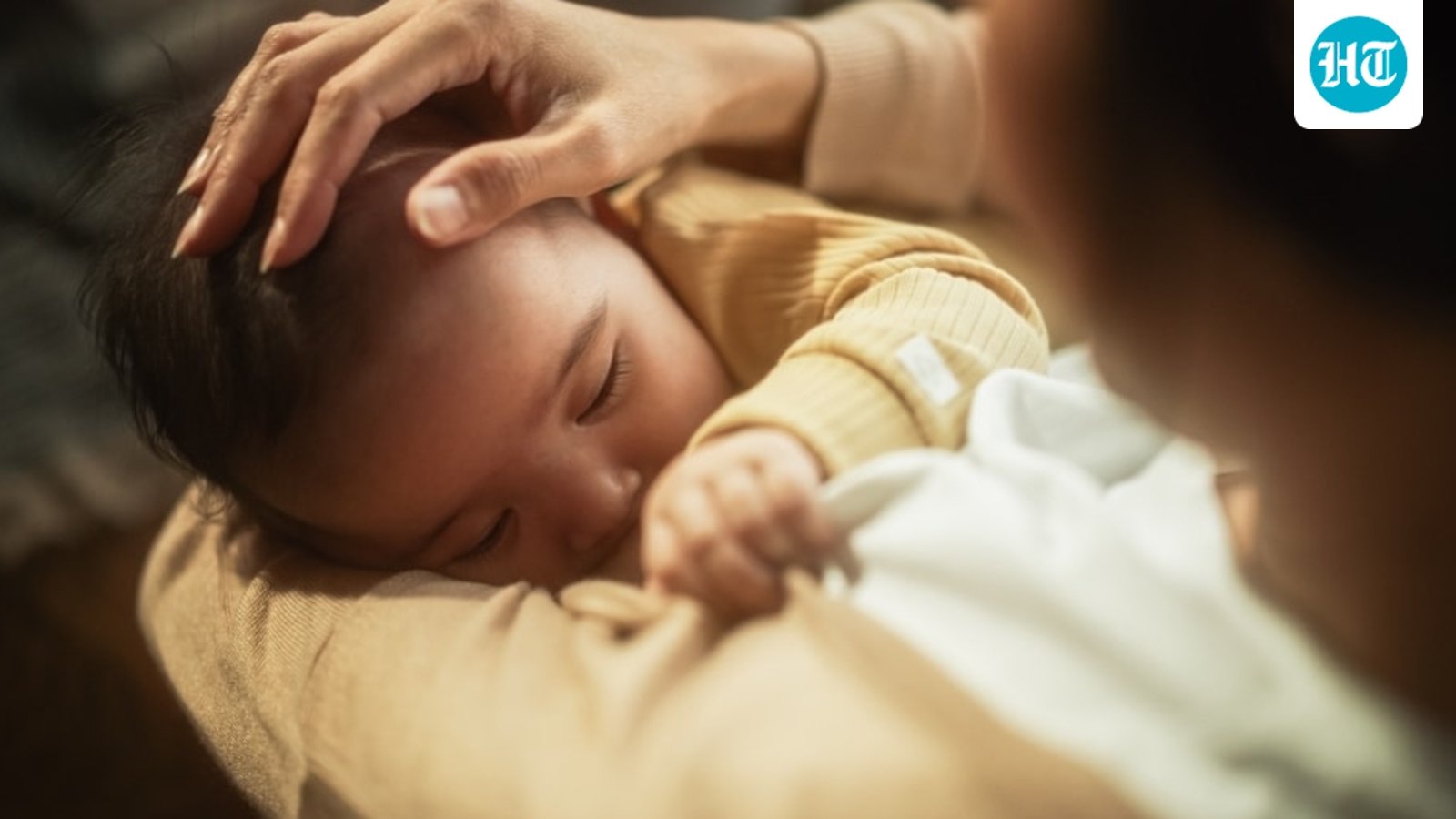
For a mother whose premature baby is fighting for survival in a neonatal intensive care unit (NICU), the inability to breastfeed can bring an additional layer of anxiety. Yet, in the first few days of life, when every feed can matter, there are situations where a mother may be unable to provide enough milk for her newborn. This is where human milk banking can become a critical bridge between need and care.
World Breastfeeding Week, observed every year from August 1 to 7, should not only encourage mothers to breastfeed but also address the issues that happen when breastfeeding does not immediately go as planned, mostly for premature, low-birth-weight and critically ill babies.
Human milk remains uniquely suited to the needs of a newborn. It provides essential nutrients along with antibodies, enzymes, hormones and other bioactive components that support immunity, gut development and healthy growth. For vulnerable newborns, these protective properties can be particularly valuable. But a mother’s own milk may sometimes be temporarily unavailable or insufficient. In such situations, pasteurised donor human milk (PDHM) can play an important role in neonatal care. Evidence suggests that the use of donor human milk in appropriate preterm and high-risk infants can lower the risk of necrotising enterocolitis (NEC), a serious intestinal condition associated with premature birth. It can also support feeding tolerance and may help reduce some complications associated with prematurity.
This is where human milk banks become more than a storage facility. They are an organised health care system designed to make a precious resource available safely to babies who need it most.
At the heart of human milk banking is a remarkable form of community care. A lactating mother with an adequate milk supply can donate surplus milk, which can then be screened, collected, processed and pasteurised before being provided to eligible newborns under medical supervision. The process is carefully regulated because safety is paramount. Potential donors undergo screening, and donated milk is handled and pasteurised according to established protocols before it reaches a vulnerable infant.
For a mother donating milk, the recipient may be a baby she will never meet. For the family receiving it, however, human milk donation creates a form of support and reassurance that extends beyond an individual mother and child.
India has nearly 125 milk banks as per Human Milk Bank Association of India which is run by government, hospitals, and NGOs. There is a need for donor human milk for premature and low-birth-weight babies who continue to require specialised neonatal care. Because studies also state that babies feeding on donor milk has shown 50% lower NEC and less digestive problems.
The biggest challenges are related to staffing, funding, processes and data systems. Reports have also pointed to a substantial gap between the number of milk banks required to meet potential demand and those available. This gap matters because access to donor human milk should not depend entirely on where a baby happens to be born. The solution is not simply to establish more milk banks. We need stronger systems around them, such as trained personnel, appropriate infrastructure, quality-control mechanisms, reliable referral pathways and greater awareness among mothers and families.
Well, donor milk should be a complement, not a replacement. Those mothers recovering from a complicated delivery, caesarean section, any illness may need time and support to establish lactation, or when less milk is produced human milk banks can be a great help instead of iron-fortified infant formula.
Human milk donation remains poorly understood by many families. Most mothers are either unaware of the process of human milk donation or have concerns about safety and eligibility, also they are not supported by families. Therefore, health care professionals can start spreading awareness by discussing breastfeeding and milk donation during antenatal and postnatal care and strengthening lactation support in hospitals. Hospitals can help through timely counselling on breastfeeding, hand expression, pumping, skin-to-skin contact and appropriate feeding techniques. Also, the community needs to support. Like blood donation, human milk donation also follows proper screening, safety protocols and organised systems.
(The views expressed are personal)
This article is authored by Dr Payel Biswas Soo, senior lactation consultant (MS Lact, IBCLC), Milann – Fertility and Birthing Hospital, Bengaluru.


