



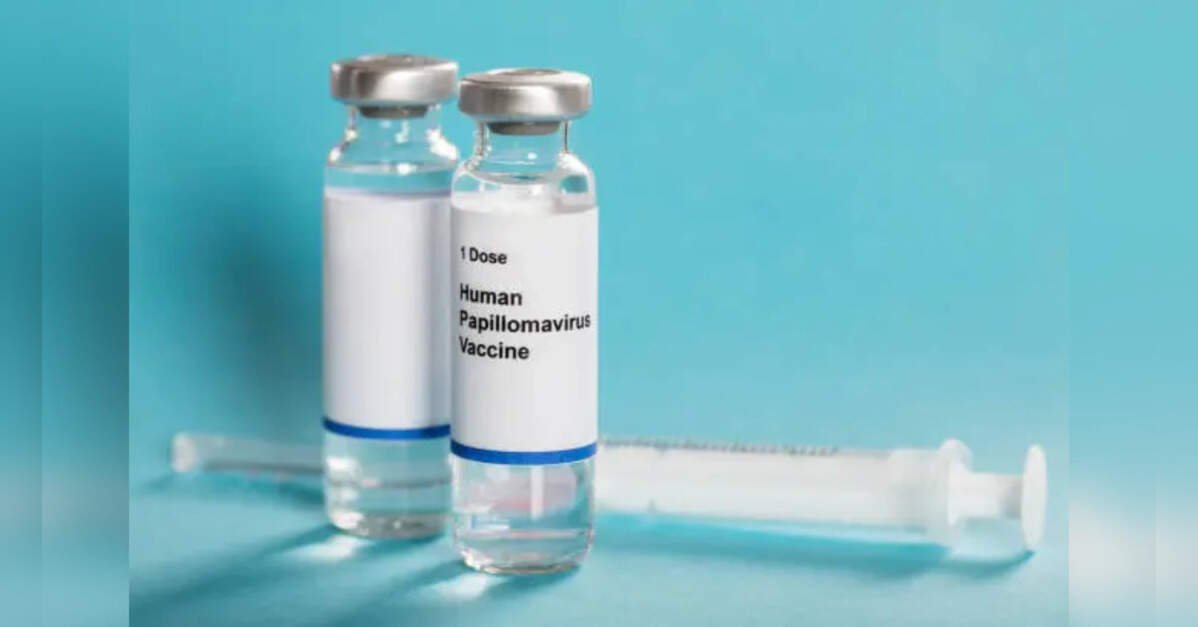
Gurgaon: The city has recorded a rise in HPV vaccinations, with cumulative doses crossing 1,600 and coverage reaching about 10%. This comes as the state’s overall coverage doubled from around 6% on April 23 to 12% by May 4 during a 10-day review that had flagged slow progress. According to UWIN data, 27,227 adolescents aged 14–15 have been vaccinated across Haryana against a target of 2.26 lakh.
The city administered 111 doses in a day, indicating a gradual pickup. Karnal and Yamunanagar continue to lead the state. Karnal reported 261 vaccinations a day and has reached a cumulative 4,525 doses, or 37% coverage. Yamunanagar logged 182 doses and stands at 3,326 (35%). Kurukshetra also posted strong daily numbers, administering 180 doses and taking its total to 1,404.
Among NCR cities, Faridabad has administered 1,503 doses, or 7% coverage, while Nuh stands at 1,351 (7%). Panchkula, Panipat and Rewari are in the 11–15% range. In contrast, Jind at 3%, Hisar at 4% and Jhajjar at 4% continue to lag, pointing to uneven uptake across the state.
Health officials said the campaign is being intensified through schools and field outreach, backed by daily mobilisation and district-level monitoring.
As reported on April 23, Haryana had achieved only about 6% coverage (13,580 doses), nearly two months after the campaign began on Feb 28.
At a state steering committee meeting, officials identified vaccine hesitancy, misinformation and gaps in beneficiary identification, especially among out-of-school girls, as major reasons for the slow start. Weak inter-departmental coordination in the initial phase was also flagged.
Gurgaon mirrored that early trend, with only 709 doses administered against a target of 16,228. At the time, several districts, including Jhajjar, Jind and Charkhi Dadri, remained in low triple digits, while Karnal and Yamunanagar had performed relatively better.
After the review, departments were directed to intensify mobilisation. Schools were made central to the rollout, with teachers identifying eligible girls and facilitating consent. ASHA and anganwadi workers were assigned to map out-of-school adolescents, while urban local bodies and panchayats were asked to widen outreach in slums, construction sites and rural areas.
“We have requested DCs, schools, panchayats, local bodies and women and child development department to step up mobilisation. We are witnessing improvement, but much more needs to be done. There are various myths associated with this vaccine. It’s safe and helps prevent cervical cancer. We will keep a close watch,” said Dr Virender Yadav, director, NHM, Haryana.
Officials said the recent increase in daily vaccinations reflects better coordination and stronger ground-level efforts, though maintaining the momentum will be crucial as the three-month campaign window nears its end.
Nearly all cervical cancer cases are linked to HPV infection. India records an estimated 79,000 new cases and 35,000 deaths each year, underscoring the importance of early vaccination. With limited time left in the campaign window, Haryana will need to sharply accelerate coverage to move closer to the global target of vaccinating 90% of girls by age 15.


