



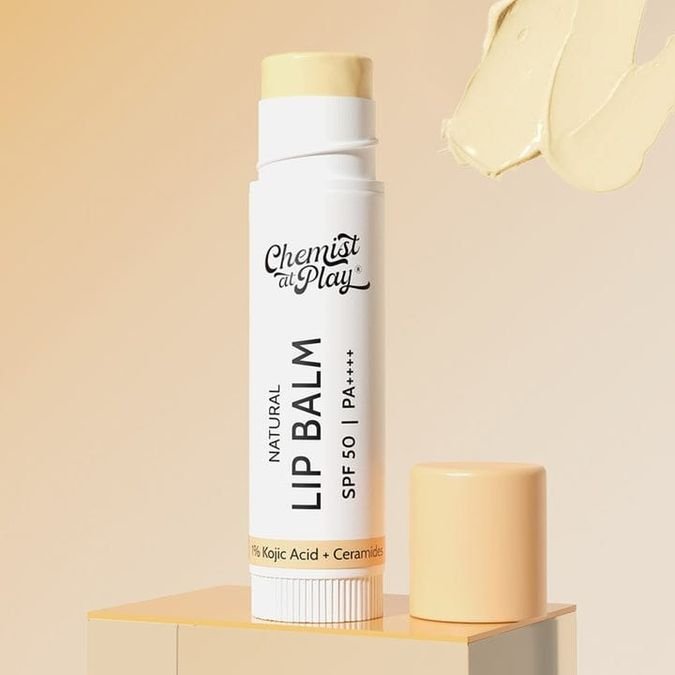
Chapped lips in Delhi winter, tanning after a Goa trip, or peeling lips from spending all day in air-conditioned offices, many people notice the problem only when their lips start peeling. Unlike the rest of the skin, the lips have a very thin protective barrier and lose moisture quickly. That is why a lip balm that works in one season may not be enough in another. If you are looking for the right lip balm for your concern, it helps to choose one based on how the Indian weather affects your lips throughout the year.
Why Indian Weather Can Damage Your Lips
Lips don’t have sebaceous glands, which means they can’t produce the natural oils that the skin on your face does. As a result, they dry out more easily, especially if exposed to heat, cold wind, pollution or constant air conditioning.
Indian weather adds a layer of stress:
-
High summer temperatures can dehydrate the lips.
-
Winter winds can strip away moisture.
-
Humidity in monsoons, followed by AC exposure, causes dryness.
-
The lips can darken due to prolonged exposure to the sun and pollution.
That’s why many dermatologists recommend adding a protective lip balm to your daily routine rather than using it only when your lips start cracking.
How Weather Changes Affect Your Lips Through the Year
India’s climate varies significantly from region to region, with different seasons, and your lips react to those changes more quickly. Knowing how each season affects the lips makes it easier to choose the right texture, ingredients, and reapplication time.
Summer
Dehydration, rough texture and increased pigmentation can be caused by strong UV exposure and heat. In cities like Delhi, Jaipur, Hyderabad and Ahmedabad, where the summer sun is quite intense, apply an SPF lip balm every 2-3 hours while outdoors, especially if you are sweating or drinking frequently.
Winter
Cold wind and low humidity can dry out the moisture from the lips. That’s when you’re more likely to get cracking, peeling and painful dryness. A richer lip balm for dry lips containing hydrating ingredients like Shea Butter works better with a lightweight formula.
Monsoon
Many people believe humidity keeps lips hydrated, but moving from humid outdoors to air-conditioned indoors can still cause dryness. In cities like Mumbai, Kochi and Chennai, where there is a lot of humidity, go for a non-sticky balm that won’t feel heavy in humid weather but still has ingredients to reduce moisture loss.
Signs Your Lips Are Damaged by Weather
Weather damage does not always appear as severe cracking. Some common signs include:
-
Discomfort or tightness after washing the face
-
Flaking or peeling skin
-
Burning sensation in cold weather
-
Fine cracks at corners of mouth.
-
Dark patches/uneven lip colour
-
Lips that feel dry again within an hour
If lip darkening develops gradually due to sun exposure, smoking, dehydration, or irritation, the first step is usually protecting the lips and repairing the skin barrier. Consistent application of a moisturising lip balm with SPF can often help prevent any further pigmentation.
Key Ingredients to Look for in a Lip Balm
Dermatologists often look for ingredients that both hydrate and prevent moisture loss.
Ingredients to help with Dry and Chapped lips
Rich in fatty acids to smooth rough spots and make lips feel more comfortable if they feel tight.
Helps repair the lip barrier and reduces the risk of recurring lip dryness.
Creates a breathable layer to hold moisture and protect from wind exposure.
Draws moisture to the lips and can make dehydrated lips feel smoother.
Provides antioxidant support and helps soothe lips stressed from environmental exposure.
Ingredients useful for Sun-related Lip Darkening
-
SPF 30 or higher: Helps reduce UV damage that can lead to tanning and uneven lips.
-
Zinc oxide or Titanium dioxide: These are physical UV filters that sit on the surface of the skin and reflect sunlight. They are good for sensitive lips.
-
Niacinamide: Helps to improve the evenness of the lip tone and strengthens the skin barrier.
Try to avoid excess menthol, camphor, strong artificial fragrances, and repeated lip-plumping ingredients if you have sensitive lips.
How to Apply Lip Balm the Right Way
Many people don’t realise that application technique is more important than it is. Follow these tips to get better results:
-
Apply to slightly damp lips after washing your face.
-
Instead of rubbing the product back and forth, use a thin, even layer.
-
Gently press the lips together to spread the balm.
-
Reapply before stepping into harsh sun, cold wind, or air-conditioned environments.
-
At night, apply a slightly thicker layer to help reduce moisture loss overnight.
If your lips are very dry, most dermatologists recommend applying a hydrating layer first and then sealing it in with a moisturising balm before bed.
Common Lip Care Mistakes to Avoid
It looks like a quick fix, but saliva evaporates quickly, leaving the lips even drier. This cycle is often more apparent in air-conditioned offices and classrooms.
By the time you see severe cracking, the lip barrier is already compromised. Regular use is usually more effective than waiting until visible damage occurs.
Many people apply sunscreen to the face but skip the lips. Repeated exposure to UV in the Indian summer can also cause dryness and gradual darkening.
Harsh sugar scrubs or scrubbing too hard can make peeling worse and cause small injuries. Gentle exfoliation once in a while is usually enough.
Picking at the flaky skin can cause bleeding and delay healing. It is better to put a thick layer of balm on and let the skin soften naturally.
Conclusion
When you are looking for the best lip balm in India, make sure you choose the one that matches your climate, lifestyle, and lip concerns. Summer requires SPF protection, winter requires richer moisturisation, and monsoon requires frequent reapplication. If you have ongoing dryness, then pick a nourishing lip balm for dry lips with barrier-supportive ingredients. Consistent protection is important, especially if you have gradual pigmentation due to sun exposure or irritation. A good lip balm works best when it’s a daily habit, not a seasonal rescue product.


