



A faint veil of moisture hangs in the air as water sprinklers come alive across enclosures at the Indira Gandhi Zoological Park (IGZP). Under the shade of the trees and hills of the Eastern Ghats, khus mats drip steadily, thatched roofs soften the summer glare and animals retreat into cooler corners of their enclosures. The zoo, spread across 625 acres between forested hills and the Bay of Bengal, is settling into its annual rhythm of summer management.
As temperatures rise outside the park’s gates, the internal landscape is carefully moderated. Water, shade, diet and routine work together to hold animals within a narrow band of comfort. Here, every enclosure carries a plan; every species demands a different response.
Reading the season
“The most significant physiological risks for animals at the Visakhapatnam zoo are dehydration, heat stress, electrolyte imbalance and a decline in appetite,” says G Mangamma, the curator of IGZP. The list is clinical, yet shapes nearly every decision taken on the ground through the hotter months.
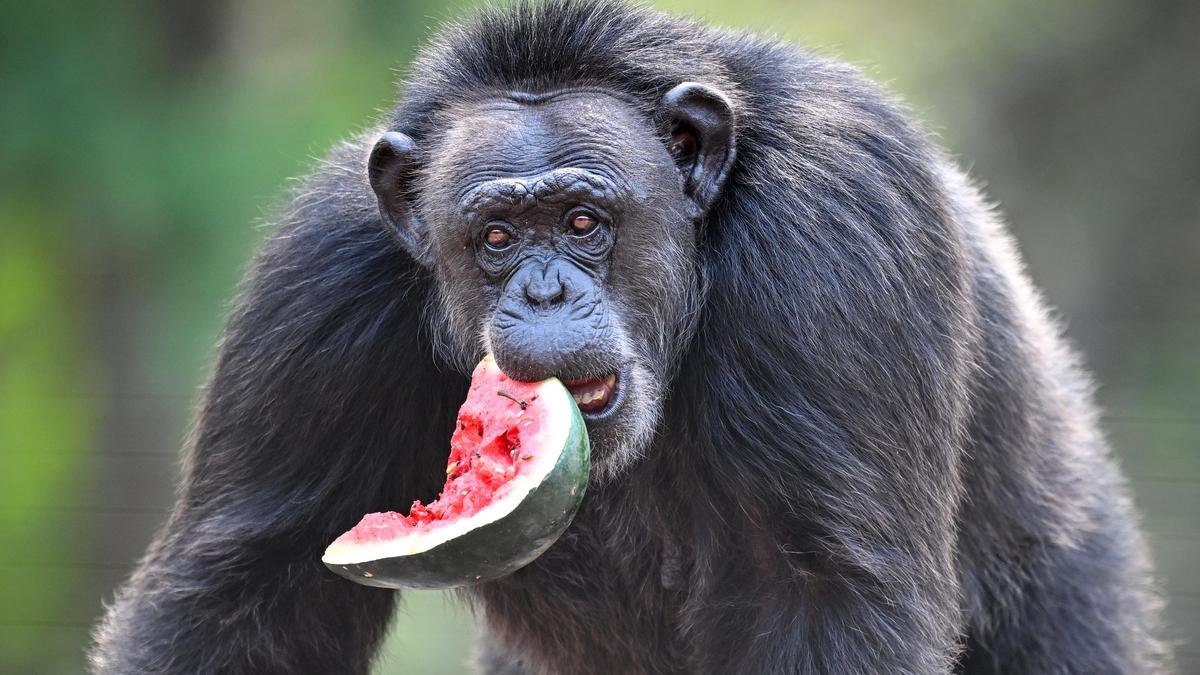
Water forms the first line of defence. It is not merely supplied, but multiplied across day and night kraals, ensuring animals do not need to move far to drink. Diets are recalibrated with additions such as watermelon and cucumber, particularly for herbivores and primates. Frozen treats, from fruit blocks to specialised feeds, keep animals hydrated and engaged.
Electrolytes, glucose and vitamins are given as needed, with salt licks for herbivores, vitamin mixes for birds and minerals added to water to help animals cope with rising heat.
Cooling the built space
Reptile enclosure covered with palmera mats as part of summer measures in Indira Gandhi Zoological Park in Visakhapatnam..
| Photo Credit:
KR Deepak
Heat management extends to architecture at the Visakhapatnam zoo. Night shelters are whitewashed and coated with reflective paint to deflect heat. Khus mats are kept wet twice a day to cool the enclosures through evaporation. Thatched coverings using palmyra leaves and temporary pandals create shaded buffers in open enclosures.
Pedestal fans, exhaust systems and air coolers have been placed in selected kraals housing primates and large carnivores. Sprinklers run intermittently across enclosures, while hedges are watered to retain surface moisture and reduce heat radiance.
“In extreme hot weather, it is recommended to keep a majority of the animals in night kraals. It is advised to keep lift doors open during afternoon hours,” says Dr Bhanu, the zoo’s veterinarian, pointing to adjustments in daily routines that prioritise comfort over display.
Species-wise strategies
By late morning, the big cats begin to slow their pace. A leopard settles into a shaded ledge, its breathing steady, eyes half closed, rising only when a chilled, meaty ice treat is placed within reach, which it licks lazily.
A tiger chills under a tree shade as sprinklers keep its enclosure cool as part of summer measures in Indira Gandhi Zoological Park in Visakhapatnam.
| Photo Credit:
KR Deepak
The zoo’s summer care varies across animal groups. Carnivores are given electrolyte supplements and chilled nutrient blocks made from meat-based liquids, which help cool them while keeping them engaged. Their time in open enclosures is also rotated through the day to reduce heat exposure.
Not far away from the carnivore section, an elephant stands ankle-deep in a wallowing pond, lifting trunkfuls of water over its back before dusting itself with loose soil. This routine reflects the broader care extended to herbivores across the zoo. They are provided lush pasture, fodder branches and high-moisture diets. Mineral mixtures and salt licks support hydration balance, while wallowing ponds offer respite.
Across from the newly introduced black panther enclosure, a chimpanzee sits on its elevated platform under a tree’s shade, holding a slice of watermelon in both hands. It bites in carefully, juice running down its fingers as it pauses between mouthfuls, occasionally glancing up at the movement around.
“Primates, more sensitive to heat stress, are given frequent fruit feeds, frozen enrichment and enhanced ventilation in shelters,” explains Dr Bhanu.
Heat watch for reptiles
Reptiles, often assumed to handle heat well, need careful monitoring. As ectotherms, they rely on their surroundings to regulate body temperature. At the zoo, species such as mugger, gharials, water monitor lizards, iguanas and pythons are provided shaded spaces, damp coverings and regularly refreshed water bodies. Temperature and humidity are closely tracked, especially for those housed indoors. A mugger crocodile, for instance, lies partly submerged in its pond for long stretches, using water to regulate its body temperature through the day.
“Reptiles generally show higher heat tolerance than mammals, but cannot maintain a stable body temperature in rapidly changing environments,” Dr Bhanu notes.
Wild dog pups relaxing in a water pool placed to keep its enclosure cool as part of summer measures in Indira Gandhi Zoological Park in Visakhapatnam.
| Photo Credit:
KR Deepak
Some measures remain largely invisible to visitors. Elephants receive mineral supplements mixed with ragi porridge, along with access to mud baths and shaded feeding zones. Big cats are observed closely for subtle behavioural shifts that indicate thermal stress. Aviaries are cooled through layered shading, dampened walls and frequent water changes, ensuring birds do not face abrupt temperature spikes.
Curator Mangamma underscores the continuity behind these efforts. “Summer management here is not a reaction to heat but a planned cycle. Each enclosure is assessed and interventions is adjusted based on species behaviour and daily observations,” she says.
Zoo timings: Tuesday to Sunday, 9am to 5pm. Closed on Monday. Entry tickets range from ₹30 to ₹750.
Published – April 24, 2026 08:23 am IST


