


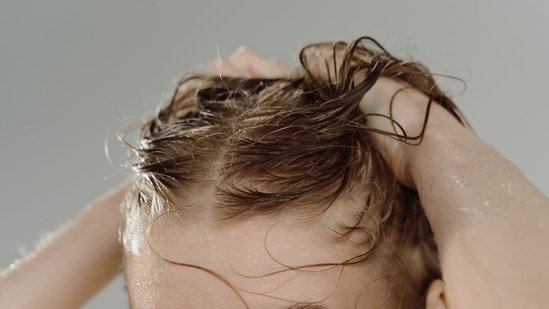
The monsoon season brings a host of health-related problems, including concerns related to your hair and scalp. From high humidity and excessive sweating to getting drenched in the rain, several problems may follow, which necessitate proper hair care precautions.
For this, HT Lifestyle reached out to Dr Pravin Bandokar, consultant dermatologist at Saifee Hospital, Mumbai, with over 20 years of experience, who explained the problems commonly seen during the rainy season.
“Some people already have problems like dandruff, itching and a lot of oil on their scalp. The monsoon season can make these problems worse. Many people also notice that they lose hair during this time,” he mentioned some of the common complaints.
Haircare tips
Here’s a set of haircare tips you can follow, as recommended by Dr Bandokar:
1. Wash your scalp and hair regularly
- Washing helps remove sweat, dirt and extra oil from your hair.
- Wash your hair two or three times a week, but avoid washing it too often, as this can strip the scalp of its natural oils and damage the hair.
2. Use shampoo and conditioner
- Shampoo cleans the scalp, while conditioner helps keep the hair moisturised and shiny.
- It also prevents the hair from getting tangled and breaking.
- Do not use medicated shampoo unless a doctor recommends it, as it can dry out the scalp and cause irritation.
3. Rinse your hair after getting wet in the rain:
- Do not leave rainwater on your scalp for too long, as it may contain substances that can irritate the scalp.
- Rinse your hair with clean water as soon as possible and dry it thoroughly.
4. Do not tie or style wet hair
- Avoid tying up or styling your hair while it is wet.
- It tangles, causes breakage and infections.
5. Limit heat and chemical treatments
- During monsoon, avoid excessive use of blow dryers, hair colour, and other chemical treatments.
- They damage the hair.
Habit changes
The dermatologist mentioned a few habit changes, the first being not to let rainwater remain on the hair for too long. “If we get caught in the rain, we should not leave the rainwater on our scalp for long. The rainwater can have things in it that can irritate our scalp. We should rinse our hair with water as soon as we can and dry it thoroughly,” he said.
His next recommendation was to focus on foods rich in protein, vitamins and minerals to support strong and healthy hair. He also advised consulting a healthcare professional if you experience excessive dandruff, persistent scalp itching or increased hair fall.
Note to readers: This article is for informational purposes only and not a substitute for professional medical advice. Always seek the advice of your doctor with any questions about a medical condition.
