



Also Read | Twin blow: Mamata Banerjee faces big electoral setback, loses bastion Bhabanipur after TMC’s crushing defeat
The booth focus
The primary engine of this victory was an unprecedented organisational overhaul led by Sunil Bansal and BL Santhosh, who successfully transplanted a hyper-local governance model into the complex terrain of Bengal, as per various reports. Moving away from the centralised rallies of 2021, the party adopted a micro strategy that treated each polling station as an independent unit. By assigning Vistaraks (full-time coordinators) to clusters of booths, the BJP ensured that their presence was permanent. These coordinators worked for nearly two years to build a verified database of panna pramukhs, ensuring that every single page of the voter list had a dedicated operative responsible for mobilisation. This focus meant that on polling day, the party was not just waiting for voters but actively bringing them to the booths through a well-oiled logistics chain that the TMC’s local committees could no longer overwhelm.
The party categorised over 44,000 polling booths into strong, focused and weak segments. Focused booths were areas where competition with Trinamool Congress was close. The panna pramukh system assigned one worker to manage 30–60 voters, maintaining direct contact with families to ensure turnout. A BJP functionary told TOI, “Booth-level functionaries have been asked to go for man-to-man marking for the voters.”
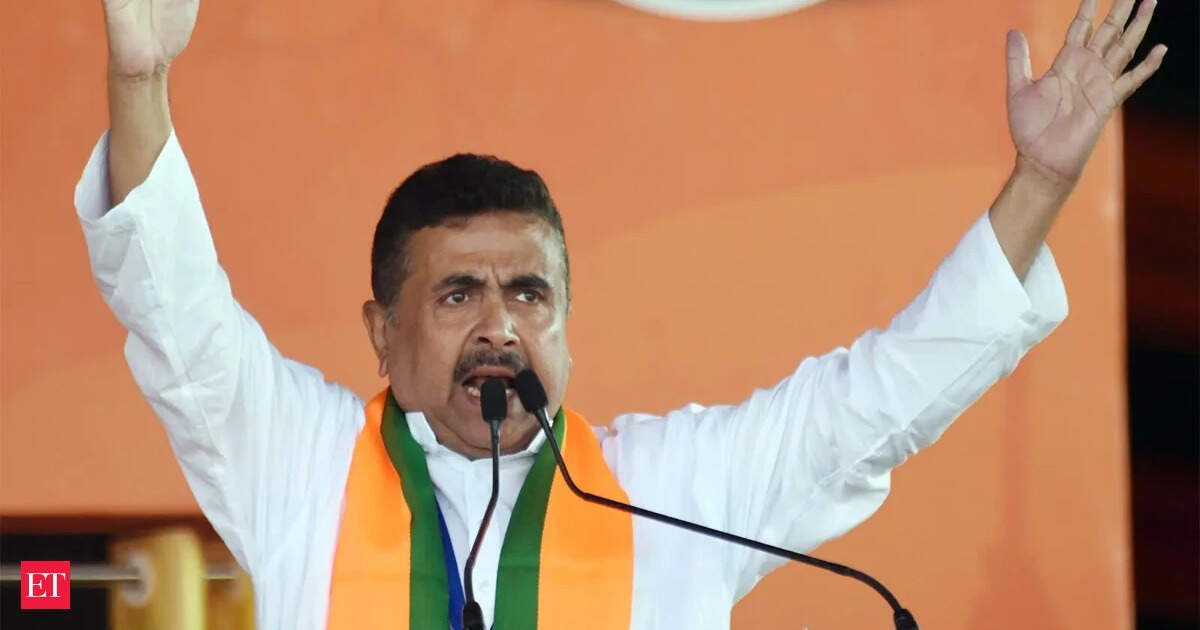
The leadership pivot and new messagingStrategically, the 2026 campaign saw a sophisticated shift in leadership dynamics, moving away from a Delhi vs. Bengal narrative to a homegrown offensive. By empowering local faces like Suvendu Adhikari and Sukanta Majumdar, Amit Shah’s team managed to shed the outsider tag that had haunted their previous attempt. The messaging was revised from a purely religious pitch to one that merged cultural pride with economic aspiration. The BJP’s machine successfully framed the election as a choice between stagnation and development, specifically targeting the youth and the urban middle class. This was complemented by a welfare counter-offensive where the party didn’t just criticise the TMC’s schemes but promised a double-engine upgrade, effectively challenging the ruling party’s social safety nets with a more lucrative financial roadmap.
Also Read | Bengal Election Results 2026: Who could be BJP’s CM face in West Bengal?
Logistical efficiency and digital dominance
In the final weeks, the BJP’s operational dominance was visible in its war rooms, which functioned as real-time intelligence hubs. These rooms monitored voter turnout data every hour, allowing the leadership to divert resources and mobilize reserve cadre to booths where the turnout was lagging, as per reports.
Digitally, the party moved beyond broad social media campaigns to hyper-local WhatsApp and Telegram networks, where they disseminated targeted content regarding local corruption and security concerns, such as the RG Kar case, directly to the handsets of individual voters. This logistical efficiency ensured that the party’s narrative was the last thing a voter heard before entering the booth, creating a cumulative pressure that ultimately collapsed the TMC’s organizational resistance across the state.
Electoral roll revision
Perhaps the most significant operational victory occurred long before the first vote was cast, through the aggressive pursuit of the Special Intensive Revision (SIR) of the electoral rolls which was conducted by the Election Commission. Though the BJP had not role to play in the SIR exercise, party volunteers went door-to-door in rural districts to inform citizens about voter registration deadlines and explain how to check their names on the electoral roll, and assist with forms. The BJP’s election machine also deployed specialised teams to identify and challenge what they termed ghost voters and logical discrepancies across sensitive districts.
The deletion of nearly nine million names from the rolls effectively neutralised the proxy-voting mechanisms that had historically seen to have favored the incumbent in high-stakes seats. Thsi may have stripped the ruling party of its traditional cushion, turning close contests into decisive leads. The deployment of thousands of companies of paramilitary forces by Election Commission was also seen to have helped the BJP by creating a security umbrella that emboldened silent voters in rural pockets who had previously stayed away from the polls out of fear.
These two measures by the Election Commission enabled the BJP workers to operate freely without fear of violence as well as the deletions leveling the playing field.


