








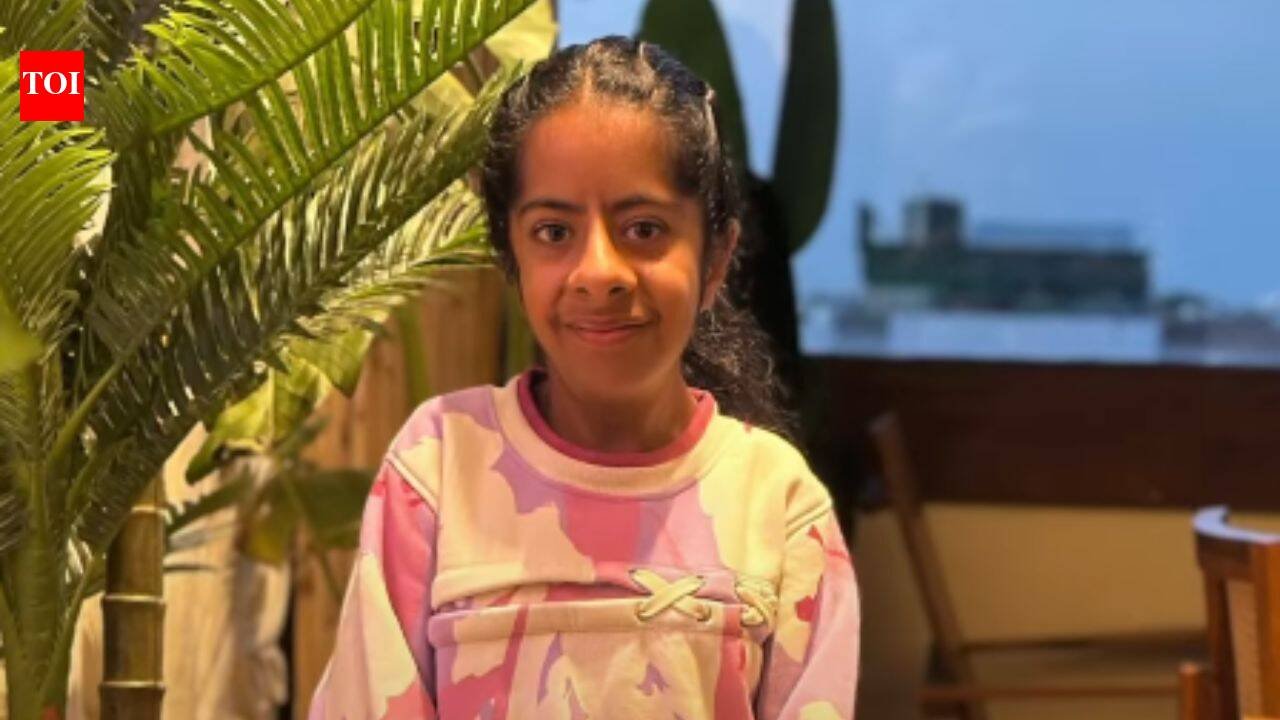
For 22-year-old Snehal, being seen in public can sometimes mean dealing with stares, questions and cruel comments about her appearance. But behind the physical differences people notice first is a young woman with ambitions that she refuses to give up. Snehal, who shares her journey on Instagram through the account @swaggysnehal, has opened up about growing up with a body that did not develop like others. Born weighing just 1.5 kg and in a breech position, she was “too small, too soon”, as she describes it. Even after doctors carried out numerous tests, she says most results came back normal, leaving her without clear answers about why her body was not growing as expected. Today, she wants people to look beyond her appearance and medical struggles. Her biggest dream is to become an actor.
“My dreams are larger than my stature”
Snehal says she has spent much of her life being judged by how she looks rather than by who she is. “At 22, I weigh less than 200 kg. But my dreams are larger than my stature,” she wrote while sharing her story. Her childhood began with several challenges. She was born weighing only 1.5 kg and was breech. Her parents took her for repeated medical tests, hoping to understand what was happening. “Doctors ran endless tests. Most came back ‘normal’. No answers. Just a body that never grows like it should,” Snehal said. Her physical struggles have also been accompanied by health problems and emotional distress. She mentioned dealing with typhoid, IBS, panic attacks, hair loss and depression. “At most days, depression swallows me whole,” she said. Even ordinary activities can become difficult for her. Yet, despite these challenges, Snehal does not want her medical history to become the only way people understand her.
From street comments to cruel internet reactions
The outside world has not always been kind to Snehal. “People mock me on the streets. Ask my age like a joke,” she said. The comments became another part of the burden she had to carry. But instead of disappearing from public life, she decided to share her experiences online. When she first considered creating content, Snehal was afraid that social media would be even more unforgiving than the world outside. “When I decided to make content. I was terrified. I thought the internet would be crueler than the streets. And at first, it was,” she recalled. Some of the comments she received were deeply hurtful. Comments such as “Mouse” and “Skeleton” targeted her appearance and body. But Snehal chose not to let them stop her. “I refused to back down,” she said. Her decision to continue creating content was not about proving anything to the people who criticised her. It was about creating a space where people could see her as more than her physical appearance.
Her parents became her biggest support
Behind Snehal’s journey has been the support of her parents. She says her family is not wealthy, but her parents still did everything they could to help her access the treatment she needed. “My family isn’t rich. But my parents gave everything they had. To get me the treatment I needed. They became my pillars,” she said. Their support has played an important role in helping her navigate a life filled with physical difficulties, medical uncertainty and social judgment. For Snehal, however, her family’s support is not the only thing keeping her moving forward. Her own determination has become equally important. She does not want sympathy to become the defining response to her story. Instead, she wants people to recognise her ambitions.
“I don’t want to be known for my disability”
Perhaps the most powerful part of Snehal’s story is her refusal to let her disability or health conditions become her identity. “Because I don’t want to be known for my disability. I want to be known for my dreams as an actor,” she said. That desire has shaped the way she approaches social media. She continues to share her experiences despite knowing that criticism may follow. For Snehal, the most meaningful reactions are not the cruel comments but the messages from people who say that her story has helped them feel less alone. “And now, when someone comments, ‘I feel less alone because of you,’ I know I’m doing exactly what I came here to do,” she said.Her story is therefore not simply about living with a body that looks different. It is about refusing to allow other people’s descriptions to become her identity. She is not just “the skinny girl”. She is not simply “the sick one”. She is a young woman who wants to act, create, dream and build a future on her own terms. Every day may bring challenges that others cannot see. But Snehal continues to choose ambition over limitation. Her journey is a reminder that sometimes the most powerful act of resilience is simply refusing to let the world decide who you are.


