



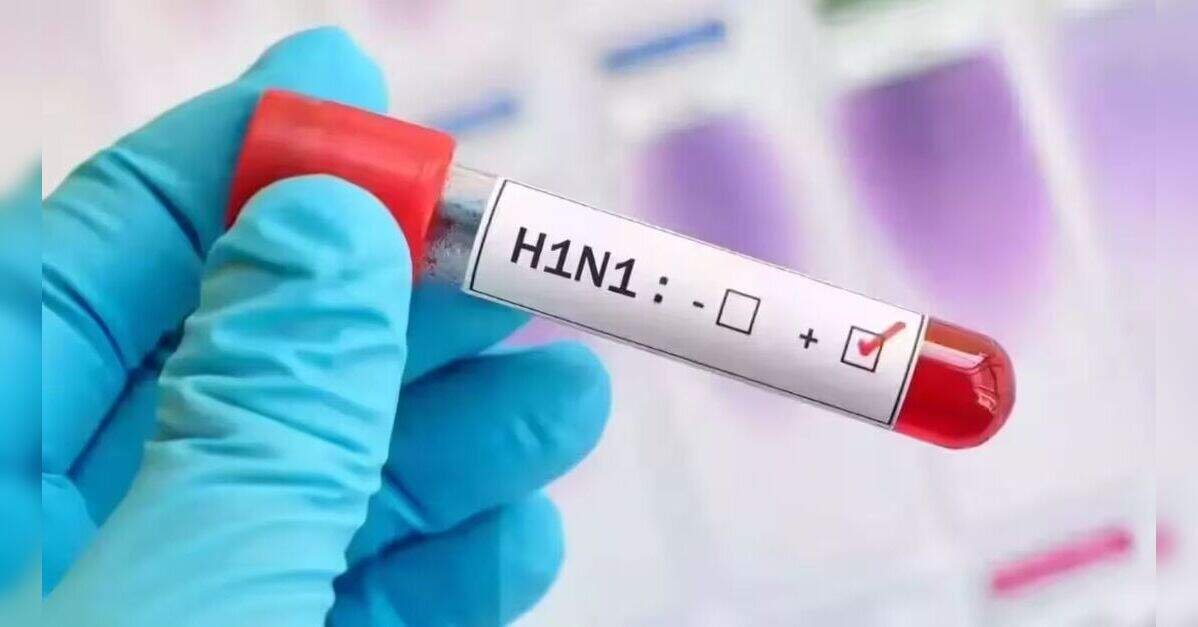
New Delhi: From fever clinics to increased sampling, dedicated isolation beds and teams on alert, Delhi government hospitals have stepped up preparedness as influenza cases rise in the national capital, with officials saying patients showing warning signs are being immediately assessed, tested and admitted when required.
Delhi has recorded 2,308 H1N1 cases so far in 2026, while cumulative Influenza A and B cases have crossed around 3,000, with H1N1 currently the predominant influenza subtype in the city, according to an official statement issued on Tuesday. H3N2 was the predominant subtype in Delhi last year, Delhi health minister Pankaj Singh said on Tuesday.
“Strict action will be taken against hospitals found overcharging patients in the name of tests. The residents of Delhi have nothing to worry about, as the Delhi government is taking all necessary measures to manage the situation,” Singh added.
At Guru Tegh Bahadur Hospital, fever clinics, isolation beds and bed allocation are being closely monitored, while teams have been kept on alert to manage the rise in patients.
“The hospital is following required protocols for patients showing warning signs and ensuring that those requiring admission are allocated beds.We have not seen a major rise, but as a precaution we have set up a fever clinic today,” officials said.
At Baba Saheb Ambedkar Hospital, an established flu clinic is functioning as part of the hospital’s seasonal preparedness. “The flu clinic is an established facility and functions routinely during the influenza season,” an official said.
Officials said patients showing warning signs are immediately sampled, while those developing severe influenza symptoms or symptoms of infectious pneumonia are admitted for further treatment.
“If a patient shows warning signs, we immediately take a sample. Patients with severe influenza or severe pneumonia symptoms are admitted,” the official said. Sampling for H1N1 has also increased, with nasal swabs being collected from suspected patients and sent to laboratories for testing.
The hospital has seen a rise in flu-related visits, with around 240 patients reporting with symptoms on Monday. Around 30-40 patients were admitted based on the severity of their symptoms and clinical condition, while beds have also been demarcated for patients requiring isolation and treatment.
At Lok Nayak Hospital, officials said all protocols are being followed and sampling has been increased for flu.
“All the protocols are being followed and sampling has been increased,” an official said. Patients are being assessed for warning signs and severe symptoms, with samples collected where required and those showing signs of severe influenza or pneumonia admitted for treatment.
The developments come as the Delhi government on Tuesday reviewed the rise in influenza cases, including H1N1, with Health Minister Pankaj Kumar Singh holding an inter-sectoral meeting with senior officials from the Health Department, MCD, NDMC and Delhi Cantonment.
The review covered disease trends, surveillance, hospital preparedness, availability of medicines and testing facilities, as well as awareness and preventive measures.
The Health Department has been directed to strengthen ILI and SARI surveillance, ensure early detection and timely reporting, conduct appropriate testing of eligible cases and maintain adequate availability of antiviral medicines and other hospital logistics.
The minister directed agencies to strengthen awareness and IEC activities through public-facing platforms and high-footfall areas, including coordinated campaigns involving various agencies.
He stressed that preparedness and awareness measures must be visible on the ground and not remain limited to reports and data.
The government said Delhi is implementing the health advisory issued by the Centre, which has been communicated to hospitals and concerned departments for compliance and coordinated action.
“There is no need for panic. Our health system is fully prepared and we are continuously monitoring the situation. At the same time, we cannot be complacent. Our priority is early detection, timely treatment, effective prevention and keeping the people of Delhi informed and protected,” Singh said.
The government has sought details from participating agencies on awareness camps and IEC activities and directed them to undertake these in a time-bound manner, with action-taken reports to be submitted to the Health Department.
The review also covered dengue and malaria preparedness. Delhi has reported 570 dengue cases and 215 malaria cases so far this year, with no deaths due to either disease. MCD, NDMC and Delhi Cantonment have been directed to intensify anti-larval measures, source reduction, spraying and fogging, particularly in and around schools, hospitals and other public places.
Dr Yoginder Pal Singh, Head of HLA and Molecular Biology at Agilus Diagnostics, said the rise in H1N1 cases was a reminder that seasonal respiratory infections can spread rapidly, particularly in crowded and poorly ventilated environments.
“Early diagnosis can help doctors consider timely antiviral treatment where appropriate,” he said, adding that common influenza symptoms include fever, cough, sore throat, body aches, headache, fatigue, chills and a runny or blocked nose. He said these symptoms can overlap with COVID-19 and other respiratory infections, meaning symptoms alone may not establish the cause.
Agilus Diagnostics has also observed an H1N1 positivity rate of nearly 30 per cent at its reference laboratory over the past week among tested individuals.


