



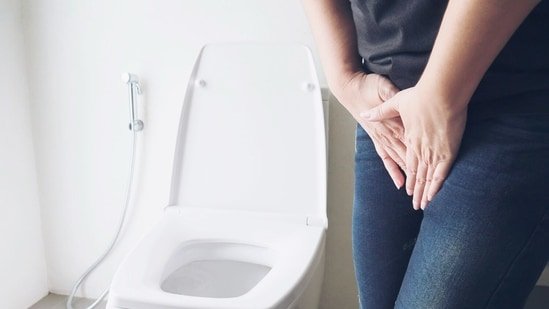
Long hours of work, whether packed with back-to-back meetings or spent chasing deadlines, can sometimes lead to the habit of holding in urine. Many tend to delay restroom breaks, thinking they will finish just a few more minutes of work before going. But as and when you make it a long-term habit, it can have damaging health implications and affect bladder health extensively. This body’s natural signal to relieve yourself is important to pay attention to; you expose yourself to infections of several kinds.
ALSO READ: Drinking more soda than water this summer? Urologist warns young adults of UTI, kidney stone risks
To get a better understanding of why you need to stop this unhealthy behaviour at work immediately, Dr Manish C.A., uro oncologist at Apollo Hospitals, Bannerghatta Road, Bangalore, shared with HT Lifestyle, in an interview, the downsides of resisting the urge to urinate.
This common workplace habit, where basic bodily needs are pushed aside in the chase of productivity and hustle, can be very dangerous. Over time, the oncologist noted, the bladder is forced to hold the urine for much longer than necessary or normal.
How bad is it to hold your pee for a few hours?
The oncologist shared that he frequently asked how bad it is to hold urine for a few hours. He would respond that doing so occasionally is usually not a problem, as the bladder is designed to store urine for some time. But how often should one empty the bladder? Dr Manish observed, “An average adult tends to empty the bladder every three to four hours during the daytime.” This, however, also depends on several factors, including fluid consumption, physical activity and an individual’s bladder capacity. But the problem arises when ignoring the bladder’s signal to the brain becomes a regular habit.
What happens when you repeatedly hold back pee?
While the bladder is designed to withstand pee, Dr Manish expressed concern that eventually one’s bladder becomes weak. Other major problems include, the oncologist said, “The person who frequently holds back pee can experience problems like urgency, frequency, urine retention, or UTIs if he or she is predisposed to the conditions.”
Who needs to be extra cautious?
Some people are more vulnerable to major health risks, like UTI, from urine retention. The doctor urged people with diabetes, enlarged prostates, neurological issues, UTIs, or bladder dysfunctions in their past to be more cautious.
Word of advice from the expert
The expert’s advice is quite simple. He asserted that restroom breaks should not be treated as optional. “All I tell my patients is to ensure that they drink plenty of water and take a few minutes out of their busy days to go to the washroom. My advice is straightforward: listen to your bladder,” he said.
Note to readers: This article is for informational purposes only and not a substitute for professional medical advice. Always seek the advice of your doctor with any questions about a medical condition.


