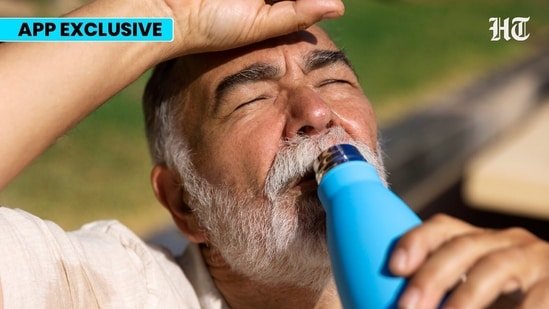
One should be proactive in recognising the signs of heat stroke, as it can mean the difference between life and death. The doctor outlined these:
- Hot, dry skin
- Be confused or disoriented
- Severe headache
- Rapid pulse
- Nausea/vomiting
- Loss of consciousness/seizures (severe cases)
The diabetologist firmly advised against ignoring the early signs that can precede heatstroke, which include fatigue, dizziness, angry outbursts, and muscle spasms. The symptoms usually occur when people are working outdoors or travelling during peak heat hours. In fact, they are your body’s way of telling you that you are overheating and it is time to rest, cool down and drink more fluids to prevent dehydration.
Who is vulnerable?
Some groups have a greater chance of becoming ill from being overheated.“Older adults, children aged 0-5, pregnant women, outdoor workers/athletes, and anyone suffering from chronic illnesses, such as heart disease, diabetes, and obesity, are some examples of individuals who will have a much greater chance of suffering from overheating/heat-related illness,” the diaboloist named. Aside from those afflicted with ailments, he mentioned people taking medicines that affect hydration, like diuretics, or body temperature regulation, such as some blood-pressure medicines, are at a higher risk of overheating.
What to do when someone is showing signs of heat exhaustion/heat stroke?
If someone around you shows signs of heat exhaustion, the first step is to try to cool them down.
The doctor recommended taking them to a cool area or shade (away from sun exposure) and giving them fluids like water or ORS. You can also apply cooling methods such as wet towels, fans, or a cool shower to bring their body temperature down. Usually, symptoms of heat exhaustion improve within 30 minutes.
But if it is heatstroke, immediate medical assistance is required. “Signs of heatstroke will exhibit themselves as confusion, faintness, a high body temperature, and the cessation of sweating,” Dr Navin noted. Recognising the early signs of heat exhaustion and taking quick action can stop it from developing into heatstroke and save lives during the extreme heat of summer.