Thursday, April 2


Excessive heat and profuse sweating during the summer season can cause major health emergencies. However, there are different types of heat-related illnesses. It is imperative that you recognise the correct signs so immediate actions can be taken. Among the many health problems caused by the relentless summer heat, heat exhaustion and heatstroke are the most common. While they may share some symptoms, one is far more dangerous. Let’s take a quick look at how they differ.

ALSO READ: Can’t sleep during summer nights? Doctor shares 7 hacks to fall asleep quickly

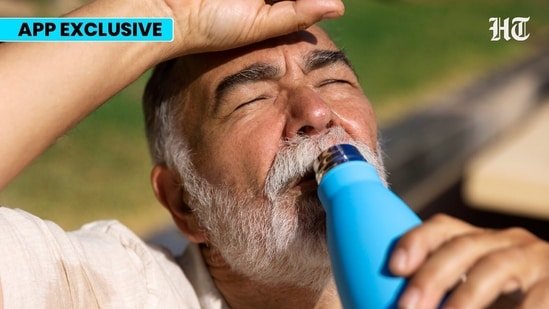
Heat-related ailments develop by spiking the body’s internal temperature beyond normal limits. Older people are especially vulnerable. (Picture credit: Freepik)

Dr R.Navin, consultant physician and diabetologist at Apollo Medical Centre, Valasaravakkam, shared with HT Lifestyle that both heat exhaustion and heatstroke result from prolonged exposure to extreme heat, but they will differ greatly in severity and the urgency of treatment. It is important to identify the signs correctly to avoid misinterpreting the condition.

What is heat exhaustion?

The diabetologist shared that heat exhaustion is a sign that the body is struggling to regulate its temperature because of heat and dehydration. “Usually, heat exhaustion develops following heavy amounts of sweating and the loss of fluids,” he reiterated that dehydration is a major cause.

Signs of heat exhaustion

Dr Navin listed the signs of heat exhaustion so that you can identify:

  • Swelling (due to fluid retention)
  • Dizziness
  • Fatigue
  • Headache
  • Nausea
  • Muscle cramps
  • Profuse sweating
  • Cold and clammy skin

Why should you not ignore these signs? The director shared that heat exhaustion, when left to worsen, can lead to heat stroke, which is dangerous. It is important to seek medical treatment if you think you may have heat exhaustion.

What is heatstroke?

Dr Navin alerted that heatstroke is very serious as it is a medical emergency.

“It develops when the internal temperature of the body (i.e., core temperature) becomes dangerously elevated—commonly exceeding 40°C (104°F),” he explained.

Dangers of heatstroke

At first glance, it may seem similar to heat exhaustion, as both are about failure to maintain regular internal temperature in the face of high temperature. But Dr Navin raised the alarm that untreated heatstroke can cause irreversible organ damage and may ultimately lead to death. The severity is several notches higher.

Signs of heat stroke

One should be proactive in recognising the signs of heat stroke, as it can mean the difference between life and death. The doctor outlined these:

  • Hot, dry skin
  • Be confused or disoriented
  • Severe headache
  • Rapid pulse
  • Nausea/vomiting
  • Loss of consciousness/seizures (severe cases)

The diabetologist firmly advised against ignoring the early signs that can precede heatstroke, which include fatigue, dizziness, angry outbursts, and muscle spasms. The symptoms usually occur when people are working outdoors or travelling during peak heat hours. In fact, they are your body’s way of telling you that you are overheating and it is time to rest, cool down and drink more fluids to prevent dehydration.

Who is vulnerable?

Some groups have a greater chance of becoming ill from being overheated.“Older adults, children aged 0-5, pregnant women, outdoor workers/athletes, and anyone suffering from chronic illnesses, such as heart disease, diabetes, and obesity, are some examples of individuals who will have a much greater chance of suffering from overheating/heat-related illness,” the diaboloist named. Aside from those afflicted with ailments, he mentioned people taking medicines that affect hydration, like diuretics, or body temperature regulation, such as some blood-pressure medicines, are at a higher risk of overheating.

What to do when someone is showing signs of heat exhaustion/heat stroke?

If someone around you shows signs of heat exhaustion, the first step is to try to cool them down.

The doctor recommended taking them to a cool area or shade (away from sun exposure) and giving them fluids like water or ORS. You can also apply cooling methods such as wet towels, fans, or a cool shower to bring their body temperature down. Usually, symptoms of heat exhaustion improve within 30 minutes.

But if it is heatstroke, immediate medical assistance is required. “Signs of heatstroke will exhibit themselves as confusion, faintness, a high body temperature, and the cessation of sweating,” Dr Navin noted. Recognising the early signs of heat exhaustion and taking quick action can stop it from developing into heatstroke and save lives during the extreme heat of summer.


Note to readers: This article is for informational purposes only and not a substitute for professional medical advice. Always seek the advice of your doctor with any questions about a medical condition.


Source link

Share.
Leave A Reply

Exit mobile version