



Environmental toxins are an unavoidable part of modern life, from the air we breathe to the products we use every day. While it’s impossible to eliminate every source of exposure, understanding which ones pose the greatest health risks can help you make informed choices and reduce unnecessary contact wherever possible. Knowing the difference between genuine concerns and overblown fears is just as important.
Dr Jeremy London, a board-certified cardiothoracic surgeon with 25 years of experience, is rating common environmental toxins on a scale of one to 10 based on their potential health risks. In an Instagram video shared on June 27, the heart surgeon explains which exposures deserve greater concern, which are less harmful than many people believe, and where current evidence is still evolving.
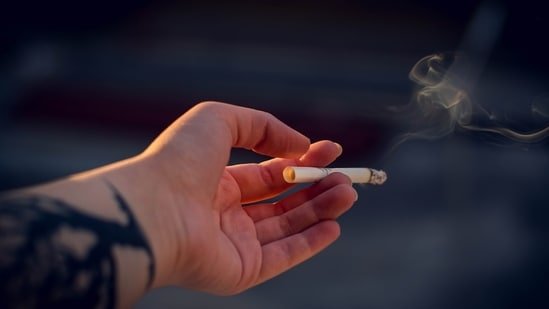
Secondhand smoke – 9/10
According to Dr London, secondhand smoke is a real environmental carcinogen, even for non-smokers. Even if you have never smoked a cigarette, exposure to secondhand smoke can increase your risk of developing lung cancer by 20 to 30 percent.
He explains, “Secondhand smoke. This is a real one. I would give it a nine. You know, this is a true carcinogen for never-smokers that are exposed to secondhand smoke. They have a 20 to 30 percent increased risk of lung cancer.”
Cell phone EMF – 2/10
While there is a lot of buzz around the potential harm caused by electromagnetic frequencies emitted by mobile phones, Dr London says the risk is not as alarming as it may seem. According to him, current evidence shows that normal cellphone use is not a significant risk factor.
He highlights, “This is a scary one and we hear about it a lot, but with normal usage, the data really doesn’t show that it’s a significant risk. I’d have to give this one a two.”
Household mould – 3/10, 7/10
While it’s always a good idea to keep your home free of mould, the risk depends on the type. According to the heart surgeon, common household mould usually causes only mild symptoms, whereas black mould poses a greater health risk and can lead to more serious illness.
He notes, “Well, this one depends. Standard regular mould really causes mild symptoms. I would give that one a three. Black mould can cause some serious illnesses. I would give that one a seven.”
X-ray radiation – dose dependent
Dr London highlights that while radiation is a known carcinogen, the risk is dose-dependent. He explains that getting one or two X-rays occasionally is generally not a concern, but repeated exposure, such as undergoing multiple X-rays in a short period, can increase the risk. He does not assign a ranking to this factor because the level of risk depends on the amount of radiation exposure.
The heart surgeon highlights, “Radiation is a known carcinogen, but it’s dose dependent. One to two X-rays, normal kind of follow-up X-rays – nothing to worry about. But 20 X-rays, some of which you maybe didn’t need, that’s a different conversation. And I’d really have to know the dose before I laid a number on it.”
Microplastics – TBD
Microplastics are everywhere. Dr London notes that they have been detected in the blood, lungs and even the placenta, making them nearly impossible to avoid completely. However, he says the evidence on their health risks is still preliminary, so he does not assign them a risk ranking yet.
He explains, “Microplastics. You know, the data has shown that microplastics are found in blood, lungs, and even placenta. They’re really everywhere, and they’re very difficult to eliminate entirely, but I think it makes sense to try to reduce your exposure to microplastics. The data is preliminary. Ask me in five years.”
Note to readers: This article is for informational purposes only and not a substitute for professional medical advice. It is based on user-generated content from social media. HT.com has not independently verified the claims and does not endorse them.


