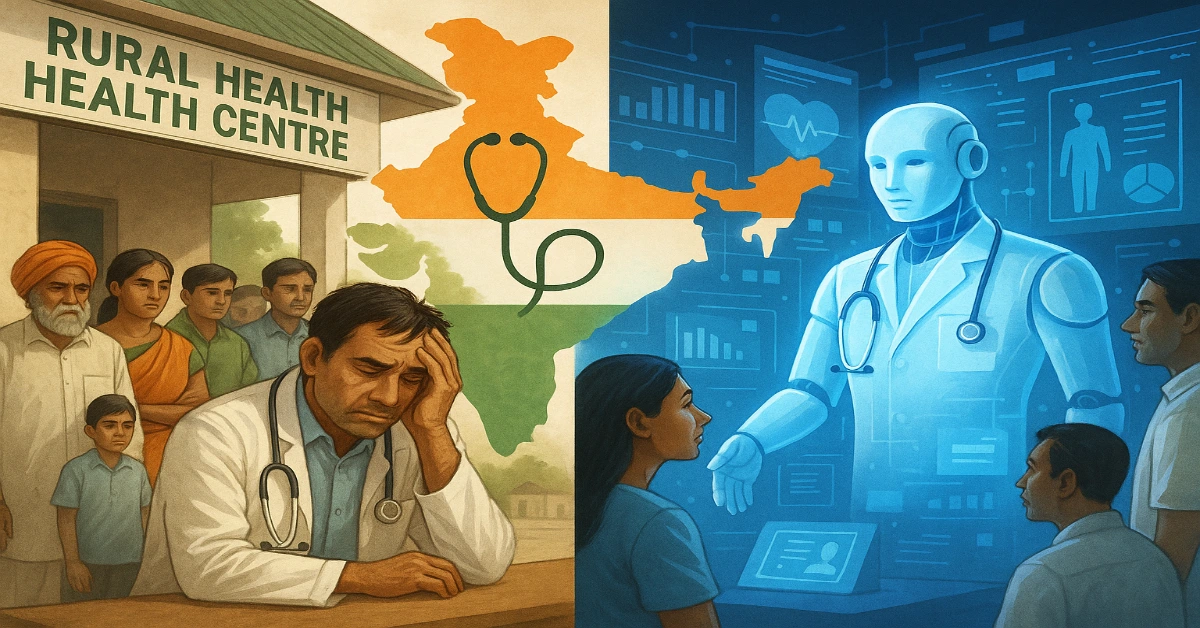
Recent disclosures that hundreds of doctor posts in Jammu and Kashmir remain vacant sit uneasily beside regular announcements of new hospitals and upgraded medical colleges. This contrast exposes a fundamental governance question: what does “development” mean when the buildings are ready, but the doctors are not? Infrastructure is visible and politically attractive. A new wing can be photographed; a CT scanner can be inaugurated. Yet, healthcare is not delivered by walls, but by trained professionals. A district hospital without physicians is not a facility; it is an empty promise. For patients, this gap is not abstract. When posts remain vacant, families in peripheral districts must travel to Srinagar or Jammu for consultations that should be available locally. Emergency cases lose precious time because a hospital lacks an anaesthetist. Pregnant women are referred from center to center due to a lack of obstetricians. The cost is measured in delayed treatment and avoidable anxiety. This crisis did not appear overnight. It is the result of cancelled interviews, unresolved litigation, and budgets that privilege construction over staffing. While the infrastructure has expanded, the planning has lagged. To bridge this deficit, we must ask: Are recruitment processes transparent? Do transfer policies encourage service in remote areas? Has workforce planning actually matched medical college output with public health needs? Trust is also at stake. When public communication emphasizes “crores spent,” citizens expect accessible care. If wards remain understaffed, the gap between promise and experience widens, corroding confidence in governance. Ethically responsible leadership now requires more than reassurance; it requires verifiable clarity. A district-wise vacancy list should be placed in the public domain alongside a published recruitment schedule. Furthermore, meaningful incentives—such as housing and service-linked career benefits—must be implemented to ensure specialists actually serve in hard-to-reach areas. Healthcare is not just a checklist item. In a region recovering from prolonged stress, reliable medical care underpins social stability and basic dignity. The legitimacy of public institutions is tested most sharply when a family arrives at a hospital door and asks, “Is there a doctor?” The measure of progress cannot stop at new campuses. It must extend to whether every health center has the human capacity to use the equipment it houses. Administrative focus must shift from construction to capacity. Jammu and Kashmir’s health system needs more than just rooms; it needs doctors at the bedsides where they are most urgently expected.