



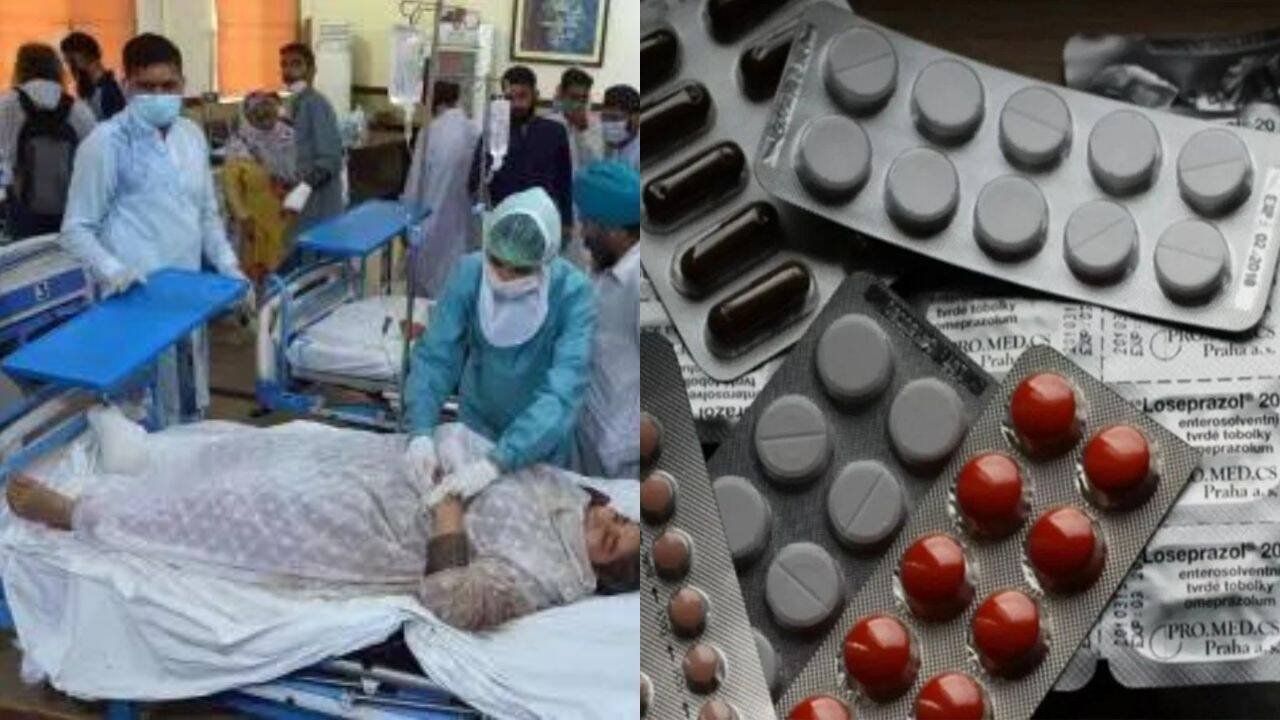
Pakistan is facing a severe shortage of more than 100 essential medicines, including life-saving drugs used to treat cancer, heart disease and other serious illnesses, after delays in approving revised medicine prices disrupted production, according to a report by Dawn.The report said the Drug Regulatory Authority of Pakistan (DRAP) recommended revised prices for 105 medicines under the hardship category more than two years ago after concluding that rising production costs had made their manufacture commercially unviable. However, the proposals remain pending before the federal cabinet, leading to reduced production and widespread shortages.According to Dawn, DRAP found that higher prices of imported raw materials, electricity, fuel, packaging, transportation, labour, financing costs and the depreciation of the Pakistani rupee had sharply increased manufacturing expenses. Pharmaceutical companies have argued that the existing pricing policy no longer allows them to recover production costs, forcing several manufacturers to cut output or stop producing essential medicines.The shortages include oral morphine for cancer patients, streptokinase injections used to treat heart attacks, chemotherapy drugs such as cisplatin, carboplatin and doxorubicin, paediatric digoxin, pilocarpine eye drops and yellow fever vaccines, the report said.Abdul Samad Buddani of the Pakistan Chemists and Druggists Association warned that the continued shortage of genuine medicines was creating space for counterfeit and substandard products in the market.According to Dawn, Buddani said desperate patients were increasingly turning to unreliable sources, raising concerns over the safety and authenticity of medicines, particularly expensive cancer treatments and other critical drugs.Industry representatives have urged the government to immediately approve the pending hardship pricing cases, warning that further delays would worsen shortages and disrupt healthcare services. A senior representative of the Pakistan Pharmaceutical Manufacturers’ Association said manufacturers could not continue producing essential medicines if they were unable to recover even basic production costs, Dawn reported.The medicine shortage comes amid mounting pressure on Pakistan’s public healthcare system. Earlier this month, house officers at Karachi’s Abbasi Shaheed Hospital intensified protests over unpaid stipends, inadequate security and a shortage of medicines, warning they would suspend outpatient department (OPD) services if their demands were not met, according to The Express Tribune.


