


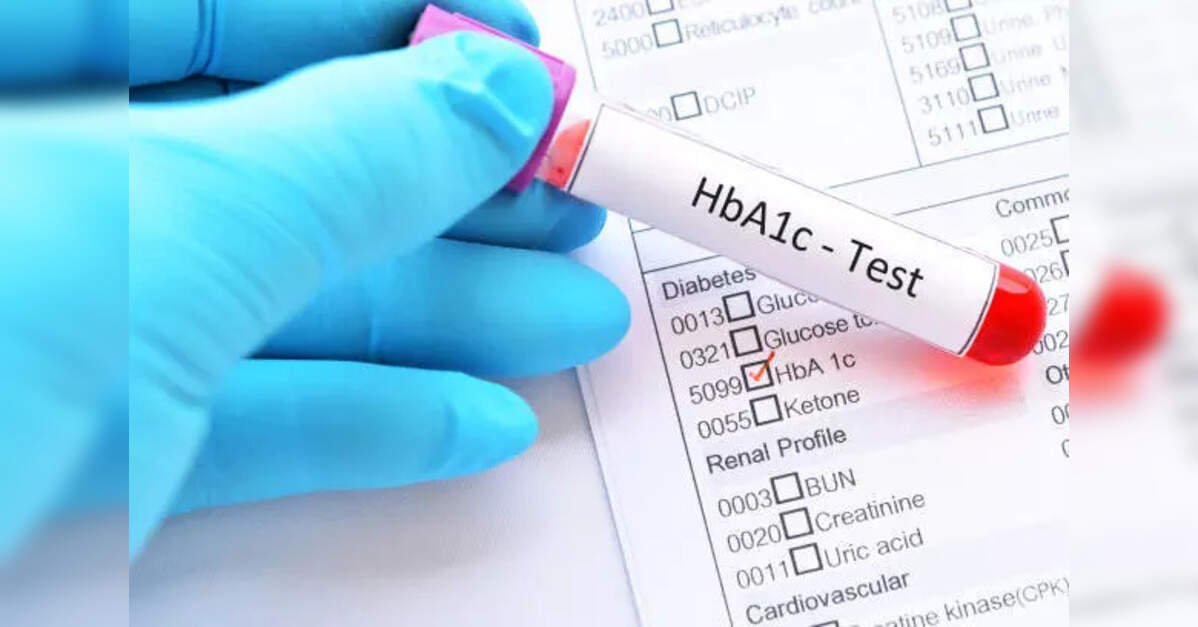
New Delhi: The commonly used HbA1c blood test for diagnosing and monitoring diabetes may give misleading results in millions of people across South Asia, particularly in India, due to the high prevalence of anaemia and inherited blood disorders, a new analysis published in Lancet Regional Health – Southeast Asia has warned.
The review, led by senior endocrinologist Prof Anoop Misra, highlights that HbA1c levels—which reflect average blood glucose by measuring glycation of haemoglobin—can either under- or overestimate true blood sugar levels in individuals with conditions affecting red blood cells, including iron deficiency anaemia, haemoglobinopathies and glucose-6-phosphate dehydrogenase (G6PD) deficiency.
“In regions like India, where nutritional anaemia and red blood cell disorders are widespread, exclusive reliance on HbA1c can result in misclassification of diabetes status,” Prof Misra, Chairman of Fortis C-DOC Center of Excellence for Diabetes, said.
The authors note that more than half the population in certain parts of India is affected by iron deficiency anaemia, which can distort HbA1c readings and complicate both diagnosis and long-term monitoring of diabetes. The review also cautions that undetected G6PD deficiency in men could delay diabetes diagnosis by up to four years, potentially increasing the risk of complications.Shashank R Joshi, endocrinologist at Joshi Clinic, Mumbai, said HbA1c variability may be observed even in well-equipped urban hospitals due to red blood cell abnormalities. “In rural and tribal areas, where anaemia and inherited blood disorders are more common, discrepancies may be even greater,” he said.
The authors further point out that inconsistent laboratory quality control across regions can add to inaccuracies, making interpretation of HbA1c results challenging. Public health surveys that rely solely on HbA1c may therefore underestimate or misrepresent India’s true diabetes burden, the study said.
The review recommends a resource-adapted approach to diabetes diagnosis and monitoring. In low-resource settings, it suggests the use of oral glucose tolerance tests (OGTT) for diagnosis along with periodic self-monitoring of blood glucose and basic haematological screening. In tertiary care centres, a combination of HbA1c, OGTT, continuous glucose monitoring and alternative biomarkers such as fructosamine is advised.
Dr Shambho Samrat Samajdar, a co-author from Kolkata, said combining glucose-based tests with haematological assessments provides a more accurate picture of diabetes risk and could help refine public health estimates and resource allocation.
The authors conclude that in countries where anaemia and blood disorders are endemic, HbA1c should not be used in isolation but alongside complementary tests for effective diabetes diagnosis and management.


