


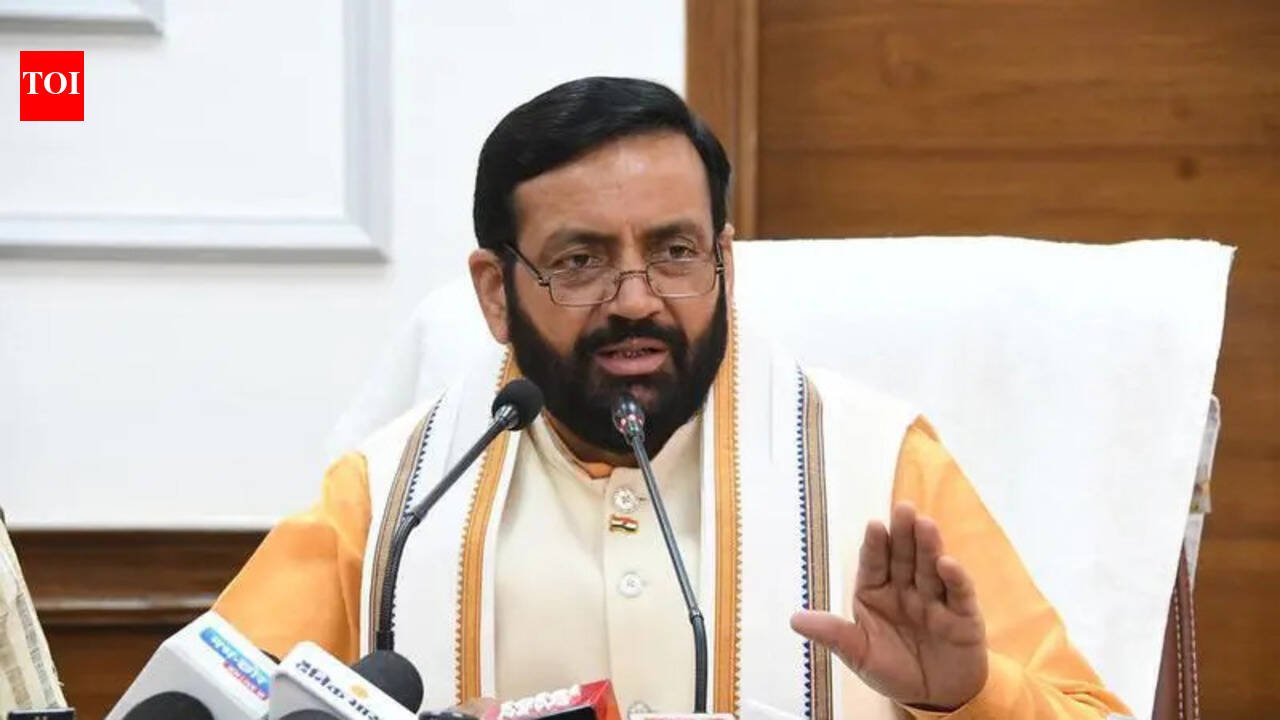
Chandigarh: The Haryana cabinet on Tuesday approved a new formula-based property tax regime for all urban local bodies and cleared a dedicated town planning scheme for plotted housing in municipal areas.In a meeting chaired by chief minister Nayab Singh Saini, the cabinet gave its nod to replace its 2013 property tax framework with a uniform, capital value-based assessment system for municipal corporations, councils and committees. The new methodology calculates tax through a formula based on plot or carpet area, collector rate and floor factor, replacing the existing assessment mechanism that often involved multiple variables.Properties will be taxed according to their size and usage, with separate categories for residential, commercial, industrial, institutional and special-use buildings. Urban local bodies have been classified into four categories to allow local bodies flexibility in fixing rates within prescribed limits while ensuring uniformity across the state. To avoid a sudden burden on property owners, any increase in tax liability will be phased in gradually.Property owners will also be allowed to pay tax under the existing system for one month after notification before the revised framework comes into force.In another key decision, the cabinet approved a town planning scheme for plotted housing in municipal areas where controlled area regulations are not applicable.The policy mandates a minimum project size of five acres, with residential plots ranging from 50 to 250 square metres. To promote affordable housing, at least half of the plots in every project must measure up to 150 square metres. Commercial activity will be restricted to 5% of the project area, while developers must provide internal roads of at least 10 metres width and ensure access through an existing 33-foot-wide road.Developers will pay scrutiny, conversion and development charges to the Haryana Urban Infrastructure Development Board under a uniform framework.The cabinet also approved an exemption and rebate framework. Religious institutions, govt schools and hospitals, agricultural properties, gaushalas, orphanages, cremation grounds and several charitable institutions will be exempt from property tax.These rebates, however, were in place since 2013. Residential properties in lal dora areas of existing villages will receive a 75% rebate. Additional incentives include rebates for timely payment, consistent taxpayers, woman owners, people with disabilities and housing societies adopting zero-waste management practices. The cumulative rebate, however, has been capped at 25% per property.
