






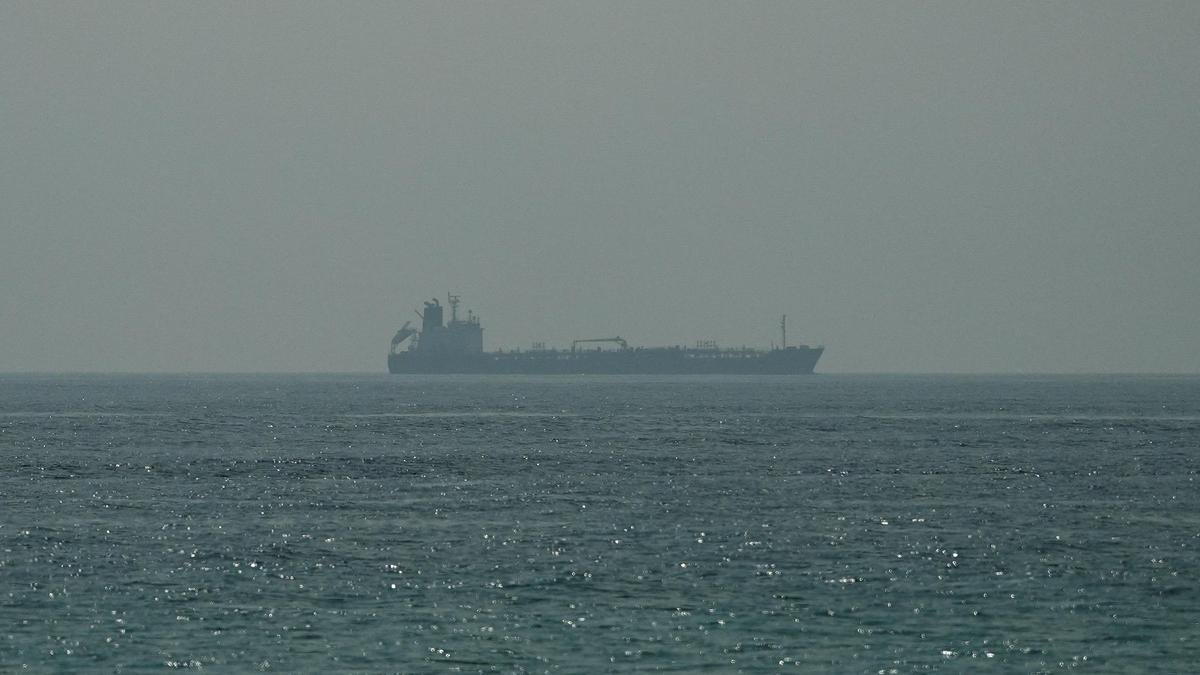
Ship-to-ship transfers in the Gulf of Oman for West Asian oil from inside the Strait of Hormuz have reached their limits after Saudi Arabia diverted exports from the Red Sea, adding to shipments from other producers, trade sources and analysts said.
The increasing amount of Saudi exports this month requires more supertankers to shuttle crude through Hormuz to conduct cargo transfers, they said. That has reduced ship availability, raising shipping costs and increasing the time cargoes are on the water before reaching refineries.
State-run Saudi Aramco has sold more than 60 million barrels of crude for STS transfer off Sohar, Oman, this month and next since its East-West Pipeline was attacked on September 13, halting oil exports from the Red Sea port of Yanbu.
Saudi crude exports via Hormuz were on track to rebound to 3.6 million barrels per day (bpd) in September, up from about 900,000 bpd in August, data from analytics firm Kpler showed.
Nearly 3 million bpd increase in Saudi exports from Hormuz would require between 36 and 40 more very large crude carriers, Kpler analyst Panagiotis Krontiras said. Each VLCC can carry 2 million barrels of oil.
Anoop Singh, the head of global shipping research at commodity broker Oil Brokerage, said the number of additional VLCCs required to move the same amount of oil before the war started has risen to 40 this month, versus 24 in August.
“That 2 million bpd uplift in Saudi flows will generate additional demand for 15 VLCCs for shuttle runs alone,” Mr. Singh said in a September 23 note, adding that another 20 VLCCs are effectively trapped in the Mediterranean awaiting Yanbu’s return to operation.
The boost in tanker demand drove the daily time charter rate for a VLCC that delivers oil from the West Asia to China to a record $1.27 million on Monday (September 21, 2026), LSEG data showed.
Tankers queue for STS services
The ramp-up in Saudi volumes comes on top of increasing exports from other Gulf suppliers such as Iraq and the United Arab Emirates using STS services outside Hormuz, creating queues to access equipment like tugboats and labour, traders and analysts said.
Before the Iran war, most of the oil cargoes from Gulf producers other than Iran were typically lifted directly by buyers.
“VLCC STS operations have struggled to keep pace,” Vortexa analysts said in a September 21 note, adding that STS volumes for crude loaded on VLCCs from ports west of Hormuz have remained around 6 million bpd since the end of August, or roughly three VLCC pairs starting STS operations daily.
“Congestion is getting worse near the Strait of Hormuz due to long STS queues,” Vortexa analyst Emma Li said in a separate interview, adding that an STS operation requires nearly 10 days, up from five to seven days previously.
“The delays have prompted Chinese buyers to ask sellers for alternative STS locations such as off the west coast of India or Malaysia, or to deliver directly to refineries,” Ms. Li said.
For example, the Bahri-operated VLCC Gold Shine, which loaded 2 million barrels of Saudi crude from Ras Tanura earlier this week, was headed to Quanzhou in eastern China, Kpler and LSEG data showed. Sinochem and Fujian Refining, partially owned by Saudi Aramco, operate separate refineries near there.
Bahri, Saudi Arabia’s national shipping company, did not respond to a request for comment, while Saudi Aramco declined to comment.
South Korean refiner S-Oil, majority-owned by Aramco, is sending two VLCCs to conduct STS off Vadinar on the west coast of India, said a trader who participates in the West Asian crude market. S-Oil did not respond to a request for comment.
A tanker owner who tracks activities in the Malacca Strait said there have been more crude cargo transfers off Malaysia’s transshipment hub of Linggi recently.
A Singapore-based shipbroker who covers the crude tanker market said it could be cheaper for supertankers to discharge into smaller ships which then send the cargoes to North Asia than to ship oil directly on large vessels.
Published – September 25, 2026 11:09 am IST


